
Last updated November 23, 2026
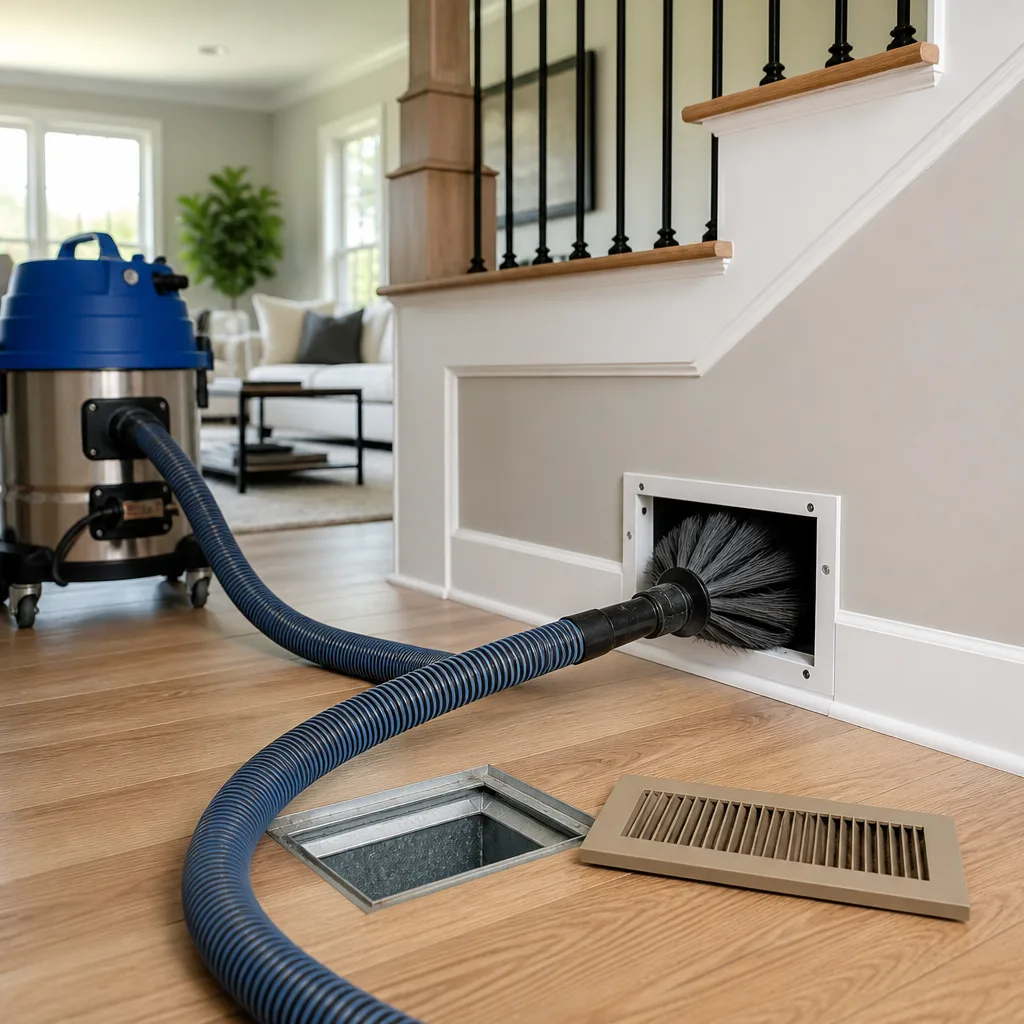 Whole-home duct cleaning
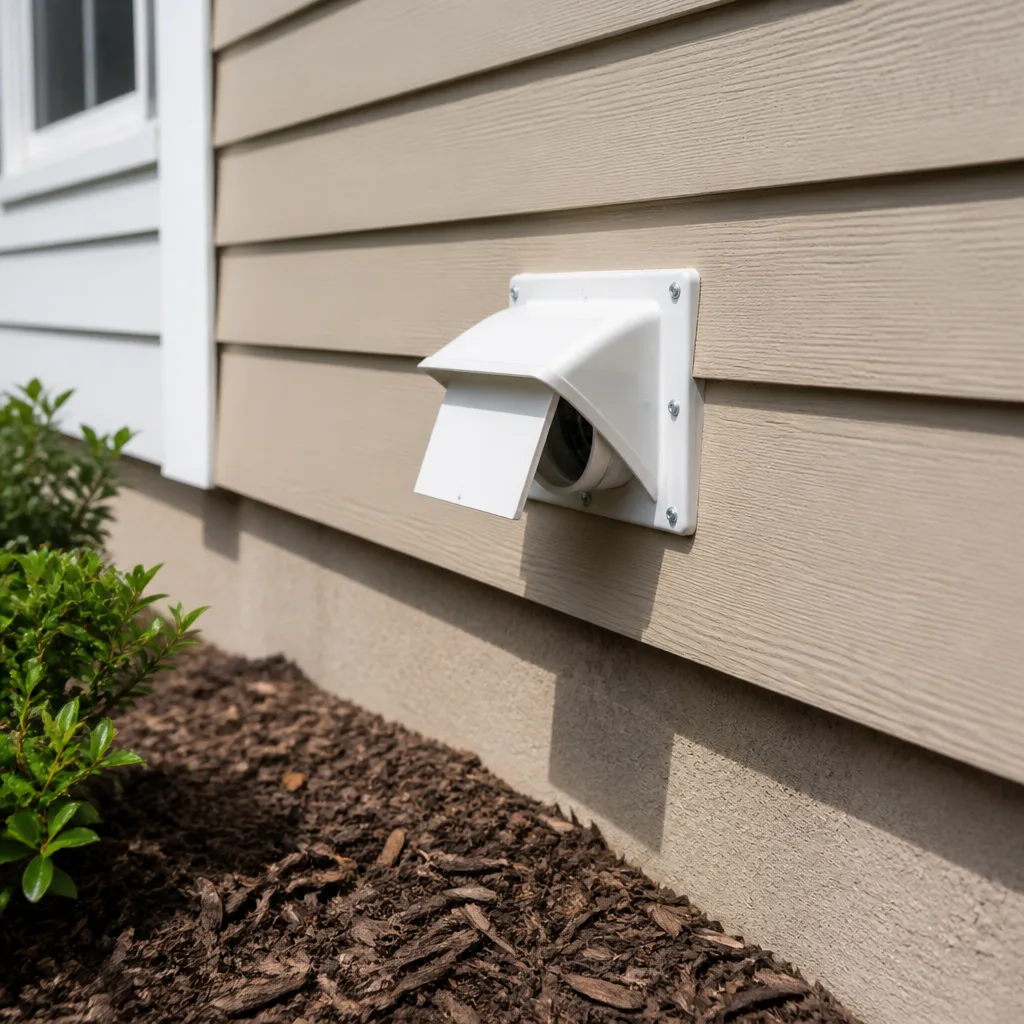 Dryer vent cleaning
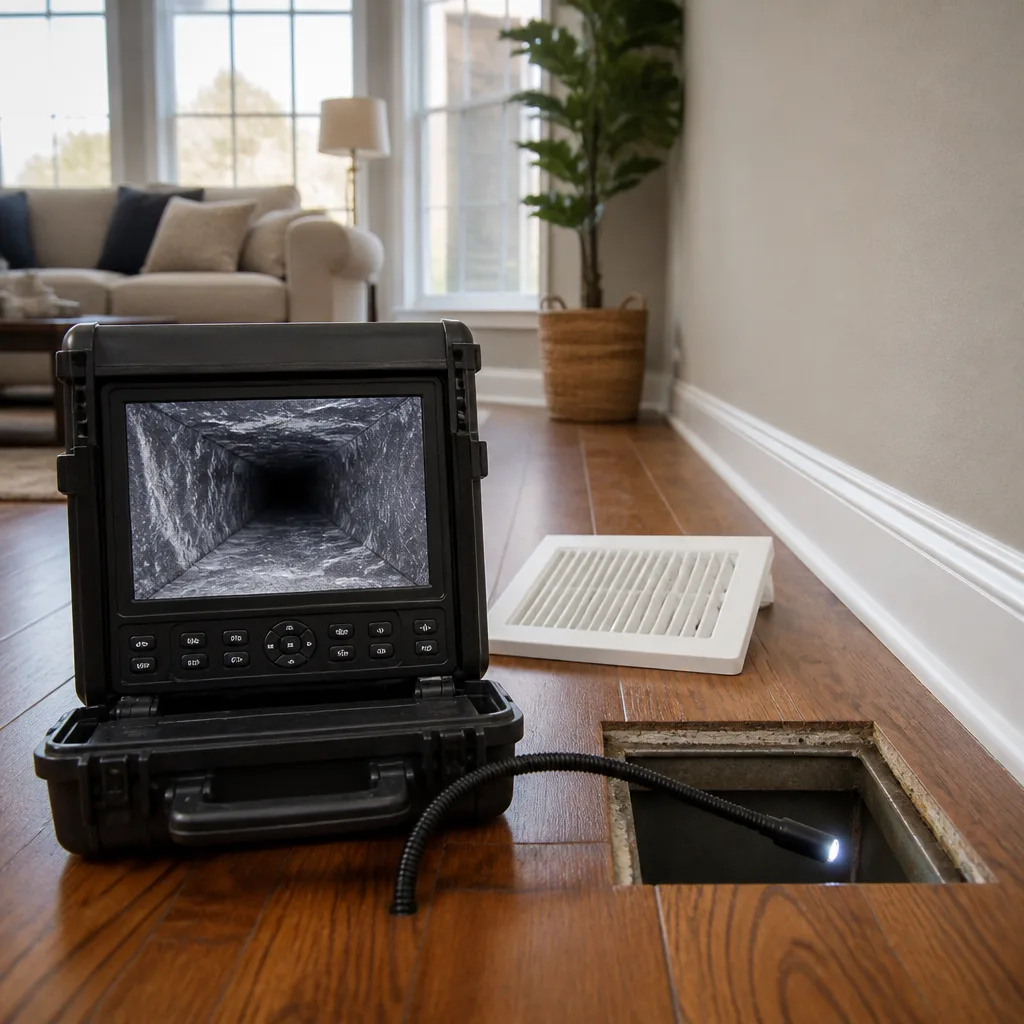 Camera inspection
 Sanitizing & deodorizing
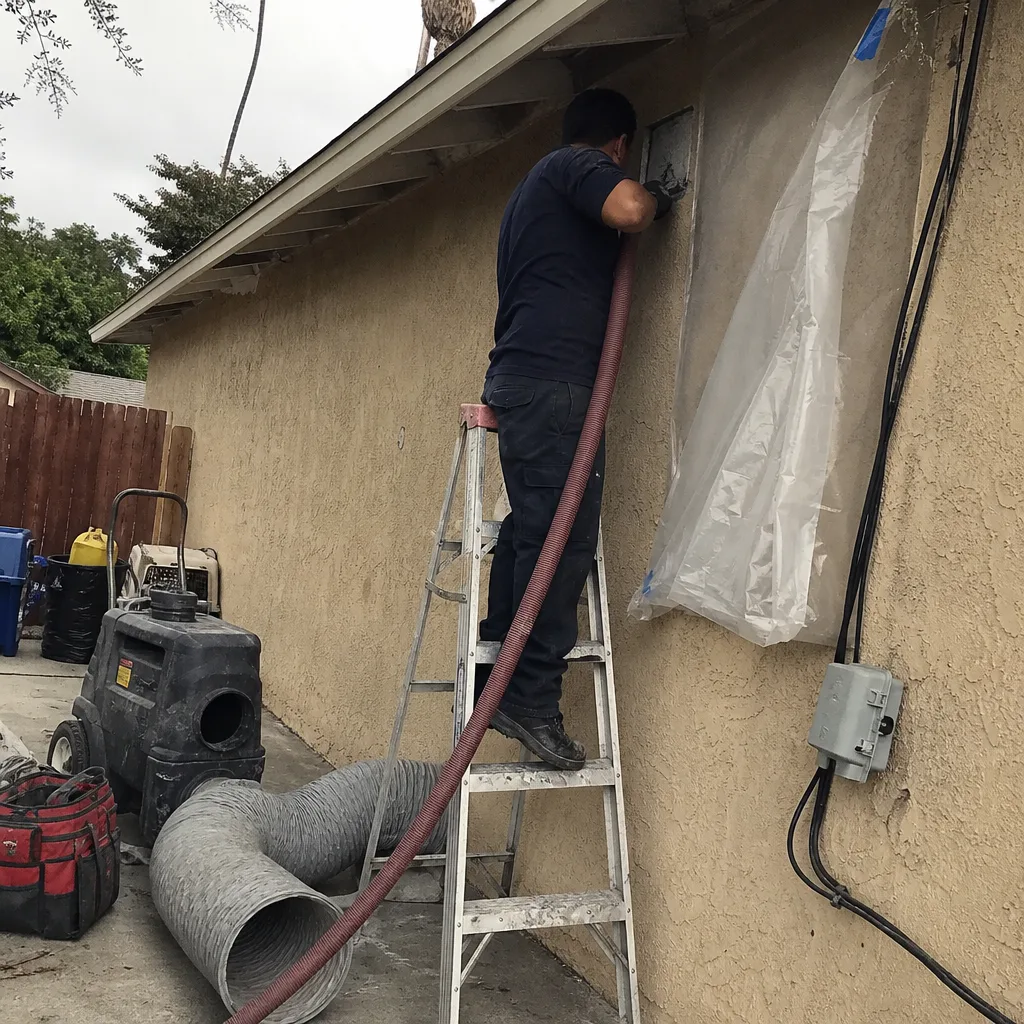
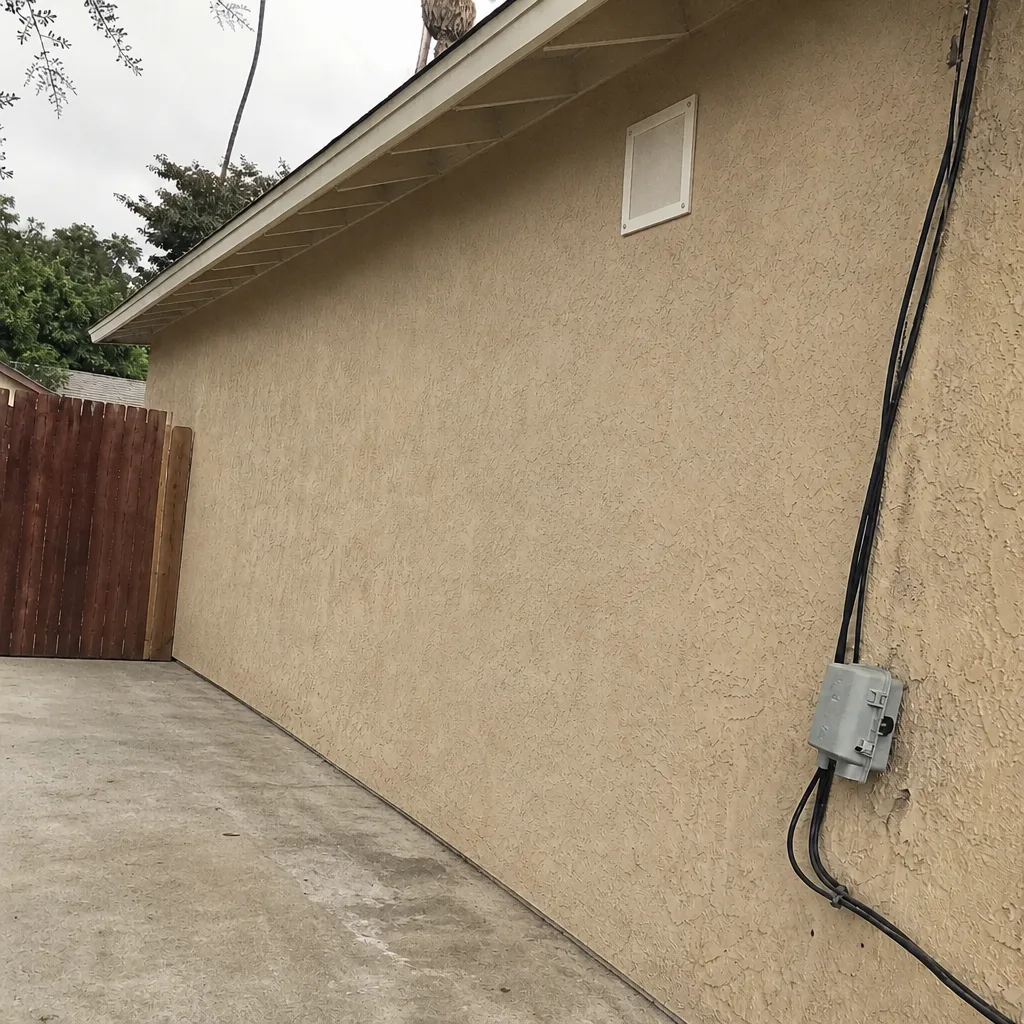
Whole-system duct and dryer vent check with before-and-after photos - you see exactly what came out of your vents
That "$99 whole-house special" is a bait ad - the real number appears once they are in your hallway, or the "clean" is a shop-vac at the register. We photograph the inside of your ducts before and after instead.
Air Duct Cleaning Maintenance Checklist for La Habra Homeowners
Most homeowners call a duct cleaner when they finally notice dust collecting on the supply registers. By then, the buildup has already been moving through the conditioned air for months, settled into the return plenum, and coated the evaporator coil. The visible dust is the last thing that shows up, not the first. What matters far more is what you catch between professional visits: a filter that loads up faster than the calendar says it should, a register that smells faintly musty on a warm afternoon, a flex run in the attic that has come loose at a collar. This checklist is built around what you can actually see, smell, and measure in a La Habra home without specialized tools, so you know when the system is holding steady and when it’s slowly degrading before the next scheduled cleaning. We’ll walk through monthly, quarterly, and annual tasks, plus the red flags that mean call now, not later.
Quick Answer
A good duct maintenance checklist for a La Habra home has three layers: monthly visual checks (filters, registers, outdoor condenser), quarterly inspections with a flashlight and mirror (duct interiors, flex connections, coil access), and annual professional cleaning and sealing. Track your filter’s static pressure drop date rather than a calendar interval, because dusty foothill air and inland heat load the filter on a schedule your HVAC system sets, not the one printed on the box. Call a pro when you see biological growth, disconnected flex runs, or airflow that drops noticeably between visits.
Styles & brands we work with
- Whole-home duct cleaning
- Dryer vent cleaning
- Camera inspection
- Sanitizing & deodorizing
Table of Contents
- Why a Duct Checklist Matters in La Habra
- Monthly Tasks: What You Can Do in Ten Minutes
- Quarterly Inspections: The Flashlight-and-Mirror Walkthrough
- Filter Tracking by Static Pressure Drop, Not by Calendar
- Post-Renovation Checklist for Drywall, Insulation, and Flooring Work
- Red-Flag Conditions That Require a Professional Visit
- Annual Professional Service: What a Full-System Visit Covers
- Sanitizing and Air Quality Add-Ons Worth Considering
Why a Duct Checklist Matters in La Habra
La Habra sits where the flat coastal plain meets the low foothills of the Puente Hills and the Coyote Hills, and that geography shapes what ends up in your ductwork. During Santa Ana wind events, fine dust pushed down from the inland foothills gets pulled into return grilles faster than it would in a flatter, greener neighborhood. Summer heat in La Habra also means the air handler runs long cycles, so every cubic foot of that dust-laden air is cycled through the coil and the supply run multiple times per day.
The homes themselves add to the picture. A large share of La Habra’s housing stock is mid-century tract construction, with original galvanized or early flex duct runs in the attic, sometimes with loose or unsealed joints that let attic air and insulation fibers into the supply side. Newer infill homes along the eastern edge of La Habra are tighter but not immune, because a tight house recirculates whatever the filter misses.
A checklist is a way of keeping the system from quietly compounding these problems. The visible symptom, dust on the registers, arrives late. The measurable symptoms, a filter that loads up in half the expected time, airflow at a register you can feel fading, a musty smell on startup, arrive early enough to act on.
The full-system approach we recommend is simple: clean the supply and return network, repair and seal what’s leaking, filter correctly going forward, and repeat on a schedule that fits your home, not a generic one.
Monthly Tasks: What You Can Do in Ten Minutes
These are the checks that need nothing more than your hands, eyes, and a minute per room. Do them on the same day each month so the comparison is fair.
- Look at every supply register. Wipe a finger across the louver. A faint gray film is normal after a month. A thick, dark smear or visible mat of fuzz means the filter isn’t doing its job or a duct run has opened up upstream of that register.
- Check the return grille. The return pulls in the largest volume of air. If the grille face has a visible dust halo around the perimeter, the filter has been bypassing air around its edges, not through it.
- Smell the air on startup. Stand near a supply register and turn the system on. A faint musty note that fades in a few seconds is common. A smell that lingers or intensifies is a sign of moisture in the coil pan or a supply run in the attic.
- Feel the airflow. Hold your hand a few inches from the strongest register in the house. Note how it feels. The point is not to measure it, it’s to notice a change from month to month.
- Inspect the outdoor condenser. Pull leaves and debris away from the coil. Dust in La Habra often builds up on the exterior coil fins and forces the system to run longer, which multiplies wear on the indoor blower and filter.
- Note the filter date. Write the install date on the filter frame with a marker. You’ll thank yourself later when you’re tracking load-up against real conditions instead of guessing.
None of these tasks require tools or step-by-step instructions that could get anyone hurt. If a check turns up something that looks like biological growth or a loosened duct connection, stop and treat it as a professional item rather than a homeowner repair.
Quarterly Inspections: The Flashlight-and-Mirror Walkthrough
Once a quarter, take a small flashlight and a mirror on an extendable handle, the kind sold at any hardware store, and walk every register and return grille. The goal is to see inside the duct without opening anything up. This is an observation exercise, not a repair, and it’s the single most useful thing a homeowner can do between professional visits.
How to perform the flashlight-and-mirror inspection
- Turn the HVAC system off at the thermostat before you begin.
- Remove the register grille with a screwdriver or by lifting the friction clips. Set the screws in a cup so they don’t roll.
- Shine the flashlight straight down the boot or supply run. Look for accumulated dust depth, debris, or anything loose.
- Slide the mirror on its handle into the duct, angled back toward you, so you can see the far side of the run. Sweep it slowly along the length visible from the opening.
- Look for three things specifically: soft gray or black speckled growth on the galvanized surface, loose insulation fibers, and any joint or collar where the flex duct has slipped off.
- Repeat at the return grille, which is often dirtier than the supplies.
- Reinstall the grille and turn the system back on.
What you’ll typically see is a light, even coating of fine dust on the bottom of the horizontal runs and along the boot where the duct elbows down to the register. That’s normal. What you do not want to see is thick caked-on dust on the top of the run, dark patches with a fuzzy or powdery texture, or flex duct that looks like a crushed straw instead of a smooth tube. In La Habra homes with attic duct runs, the flex duct on the sunny side of the roof line sometimes develops a sag from heat and gravity over time, which reduces airflow to the rooms it serves.
For a deeper look at what a professional cleaning actually covers, our air duct cleaning page walks through the process step by step.
Filter Tracking by Static Pressure Drop, Not by Calendar
Filter manufacturers print an interval on the package. That interval assumes an average home, an average climate, and average dust load. La Habra is not average in dust load because of the foothill geography, so a calendar interval alone will either change the filter too early (wasted money) or too late (airflow restriction, coil strain, and eventually an ice-up on the evaporator).
What actually matters is how much pressure it takes to push air through the filter as it loads up. That’s static pressure drop, and you don’t need a gauge to see the effect. You can track it by watching for specific downstream symptoms and noting the date they first appear.
A simple static-pressure proxy method
- Note the install date on the filter frame.
- Note the first day you notice any of these: airflow at the strongest register feels weaker, the system runs noticeably longer to reach the set temperature, the blower seems louder or makes a whistling sound.
- Record the gap in weeks between install and first symptom. That’s your personal load-up interval for the season.
- Adjust forward. If your gap was 8 weeks in summer with the windows closed, set your change date a week before that next time.
MERV rating matters as much as the interval. A MERV 13 filter rated for 1-inch thickness will load up much faster than a MERV 11 in a La Habra home that sees regular Santa Ana dust. If your system was designed for a 1-inch filter, sizing up to a 4-inch media cabinet (a change that requires a professional to install) often gives you higher filtration with less pressure drop and longer intervals between changes. A licensed HVAC technician should size the cabinet and the MERV rating to your specific air handler.
Whatever media you choose, write the date you install it. In our experience, a homeowner with a simple tracking sheet catches a load-up problem two or three visits earlier than one who goes purely by the calendar.
Post-Renovation Checklist for Drywall, Insulation, and Flooring Work
Any project that opens walls, cuts drywall, or disturbs insulation sends far more particulate into the return air than normal living does. Even if the contractor sealed off the work area with plastic, dust migrates through the house through door gaps and the return system itself. The duct checklist changes after renovation, and it’s worth treating the post-renovation period as its own check cycle.
- Check every register and return in and near the work area the day the project wraps. Shine the flashlight down the run and look for construction dust, drywall powder, or insulation fibers.
- Replace the filter the same day. A filter that’s six weeks old going into a renovation will be fully loaded by the end of it.
- Look for drywall mud dust on the supply side. The fine white powder is often visible as a pale film coating the inside of the duct near the register boot. It settles deeply into the run and doesn’t come out with a normal filter change.
- Note any new smells, especially a chalky or gypsum smell, that appear in the days after the work. That’s fine particulate still circulating.
- Schedule a professional cleaning rather than trying to vacuum out ducts yourself. Consumer shop vacs and flexible wands can damage flex duct, and they don’t reach the far end of a supply run.
For insulation work specifically, look for pink, yellow, or white fibers at the register grilles. Fiberglass dust is abrasive and irritating, and it also loads up the blower wheel and evaporator coil quickly.
Renovation jobs that involve contamination-sensitive work, such as mold-adjacent remediation after a slow leak, need more than a standard cleaning. That’s where HVAC cleaning with negative-air containment comes in. Our technicians use Abatement Technologies negative-air equipment for these jobs, the same class of tooling restoration companies use to keep dust and spores from spreading through the house during the work.
Red-Flag Conditions That Require a Professional Visit
Some items on the checklist mean call now, not wait for the next scheduled interval. These are conditions most homeowners can spot but shouldn’t try to fix, because the underlying causes (moisture intrusion, disconnected ductwork, biological growth) need diagnostic work and professional-grade equipment, not a consumer vacuum.
- Visible biological growth inside a supply or return duct. If you see dark speckled patches with a fuzzy or powdery texture on the galvanized surface, stop cleaning your registers and call. Cleaning around it without addressing the moisture source just spreads it.
- A disconnected or crushed flex run visible through the register or at a collar. Attic runs in La Habra heat sometimes sag and separate at the collar. This is sending attic air into the supply side, and no filter will fix it.
- A musty smell that persists after a filter change and a day of the system running. This often points to a wet evaporator coil pan or a condensate drain that’s blocked or slow.
- Airflow at registers that drops noticeably within a few weeks of a new filter. A load-up problem this fast suggests duct leaks pulling in attic or crawlspace air, or a filter that’s incorrectly sized for the cabinet.
- Pest evidence inside ducts, insulation, or the air handler cabinet. Don’t try to remove it yourself. It requires proper containment and disposal.
- A house fire or water intrusion event that involved the HVAC system. Smoke residue and flood-contaminated ductwork need specialized remediation and sanitizing, not a standard clean.
Duct Repair & Sealing is a service most standalone duct cleaners don’t offer, and it’s the difference between solving a problem and cleaning around it. When a technician finds a disconnect or a series of leaky joints, sealing them at the same visit stops the attic air from recontaminating the supply side the next day. That’s the “we find what’s wrong and fix it” approach, rather than vacuuming and leaving the root cause in place.
For dryer-vent red flags, specifically lint buildup visible behind the dryer or a dryer that takes noticeably longer to dry a load, that’s a fire-safety item and worth a dedicated visit. Our dryer vent cleaning page covers the specific warning signs and how the cleaning is done.
Annual Professional Service: What a Full-System Visit Covers
A full-system professional visit once a year does what a homeowner checklist can’t: it opens the trunk lines, uses a rotating brush and high-volume vacuum that actually agitates and removes attached dust from the duct walls, and inspects the parts of the system you can’t reach from a register. The cleaning systems our technicians use are Rotobrush and Nikro, the same professional-grade rotary brush and vacuum equipment certified HVAC contractors specify. Consumer blowers and shop vacs can’t hold the negative pressure required to keep dust contained during the cleaning.
What a typical annual full-system visit includes
- Inspection of the supply and return network, including the trunk lines, boots, and any accessible attic or crawlspace runs.
- Mechanical cleaning of all accessible ductwork using the rotary brush and vacuum system, with containment to keep dust out of the living space during the work.
- Evaporator coil and blower inspection through the access panel, with cleaning where the buildup justifies it. A dirty coil forces the compressor to work harder and shows up as higher energy bills before anything else.
- Duct sealing where leaks are found, using mastic or foil tape at joints and collars, so the system is airtight enough to actually deliver the airflow the equipment was sized for.
- Before-and-after photos of the ducts, so you can see what the interior looked like at the start and finish.
- A written summary of what was found and any items that need follow-up.
The written estimate sets the final price, and the pricing is flat per system, not per vent. If you want to understand what drives the estimate, our La Habra Air Duct Cleaning Pros main page has the service overview and how to book.
Whatever equipment a company brings, ask two questions before they start: which cleaning system they use by brand, and whether they repair and seal leaks they find or just clean around them. The answers tell you whether the visit will actually improve the system.
Sanitizing and Air Quality Add-Ons Worth Considering
Cleaning removes what’s there. Sanitizing treats what’s left behind, and air quality products help the system stay cleaner between cleanings. There are three categories worth knowing about.
Sanitizing after cleaning
After the mechanical cleaning, an EPA-registered sanitizer is applied to accessible ductwork surfaces to address any residual microbial activity, particularly in homes with allergy concerns, musty odors that traced back to the coil, or a recent water event. Our technicians follow Guardsman-grade surface and sanitizing protocols on these jobs, meaning the application is documented and the product is used per its label directions on the surfaces it’s rated for. In practice, homes in La Habra with a household member who has asthma or seasonal allergies are the ones most often asking for this step, because the coil and return plenum are exactly where a humid micro-environment forms around a slow-draining pan.
Filtration and purification products
Post-cleaning, two product lines we supply and install are Honeywell and Aprilaire. Media filter cabinets from both brands hold a thick filter that delivers higher filtration with lower static pressure drop than a 1-inch filter, so you get cleaner air and less strain on the blower. Whole-home or single-room airflow and purification products from these brands are options a technician can size to your specific air handler during the visit, which is the right time to decide because the cabinet and the duct layout need to work together.
Containment for sensitive jobs
For jobs where the contamination level is high enough that cross-contamination is a real concern (mold-adjacent remediation, post-construction, or a system that has pulled in pest residue), Abatement Technologies negative-air equipment keeps the duct interior under negative pressure relative to the living space. Air moves into the duct, not back out of it. That’s the difference between a cleaning that protects the occupants and one that just moves the dust around.
If you’re not sure whether your home needs the sanitizing step or just the cleaning, the honest answer is that a technician should look before deciding. A flat rate per system set by a written estimate lets you see the scope before you commit.
Common Mistakes to Avoid
- Changing the filter only when you remember. A calendar interval ignores how fast your home actually loads the filter. In dusty foothill parts of La Habra a 1-inch filter can be spent in half the printed interval during a long, hot, closed-window summer.
- Vacuuming the visible register boots yourself. Consumer vacuums and flexible wands can crush flex duct and dislodge collars. They also leave the deepest part of the run untouched, which is where the dust that actually circulates lives.
- Ignoring a disconnected duct run because the room still “kind of” gets cool air. A supply run that has slipped off its collar is sending attic air into the house. It’s the duct leak most likely to go unnoticed for a full season, and it raises the energy bill while the filter keeps loading.
- Choosing a cleaner by the coupon price alone. The low teaser figure often becomes a much larger invoice once a technician is on site. Ask for a flat rate per system, a written scope, and before-and-after photos of your own ducts.
- Skipping the post-renovation clean. Drywall and insulation dust settles deep into supply runs and doesn’t come out with a filter change. A single cleaning after the project is cheaper than the coil cleaning you’ll need if it doesn’t get done.
- Replacing the whole system because a room is hot, when the actual problem is duct leakage. Attic flex runs and unsealed joints lose a large share of the cooled air before it reaches the register. Sealing them before replacing equipment is the higher-value call.
- Assuming a strong fresh scent is a sign of clean air. Plug-in air fresheners and scented candles mask the smell of moisture, dust, or biological growth without addressing any of it. A clean duct system should smell like nothing.
See the difference
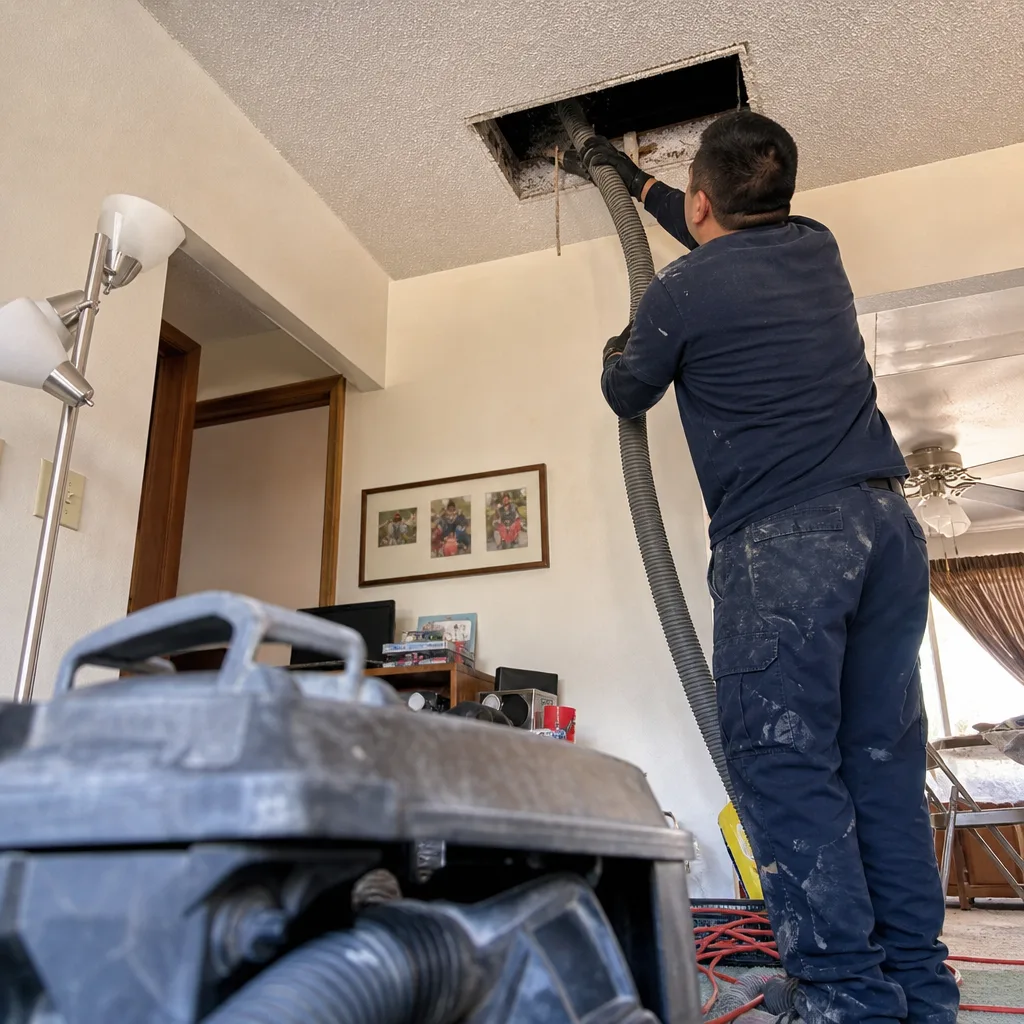 Before
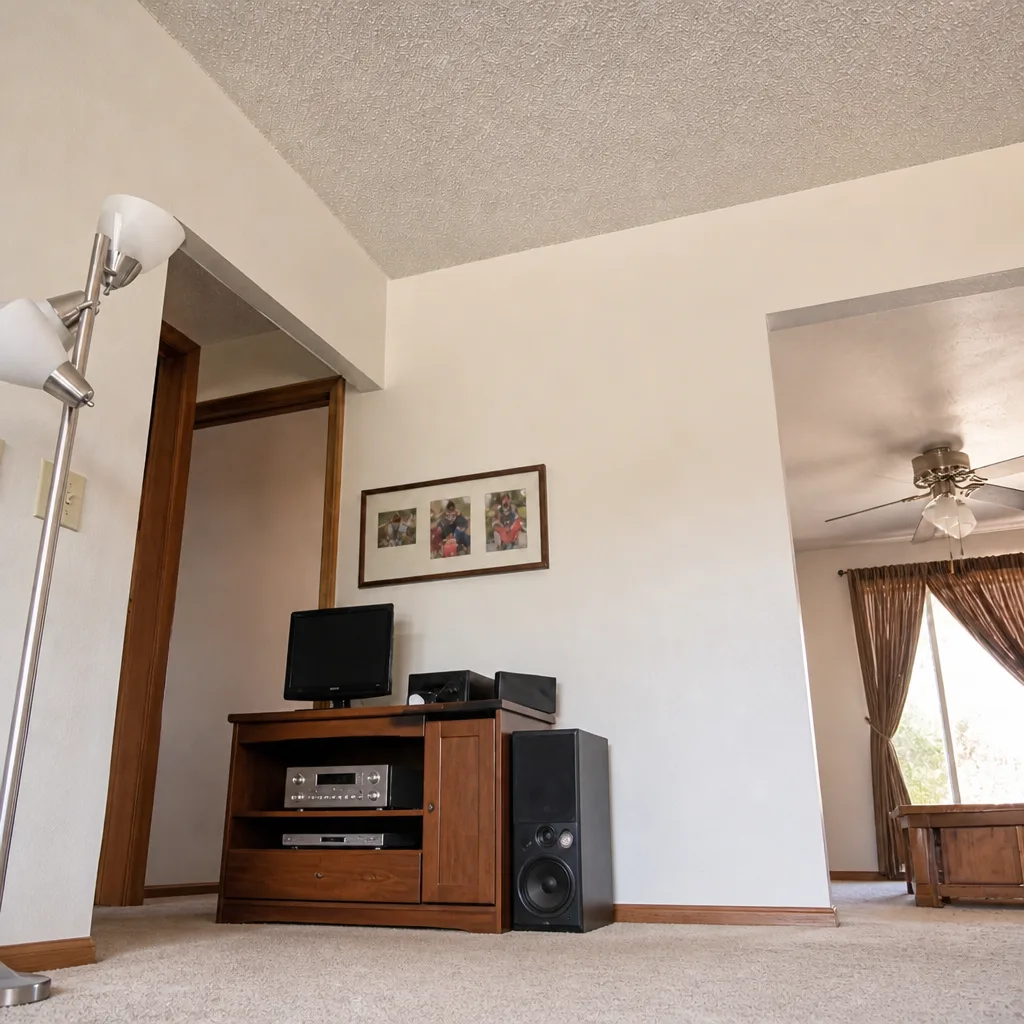 After
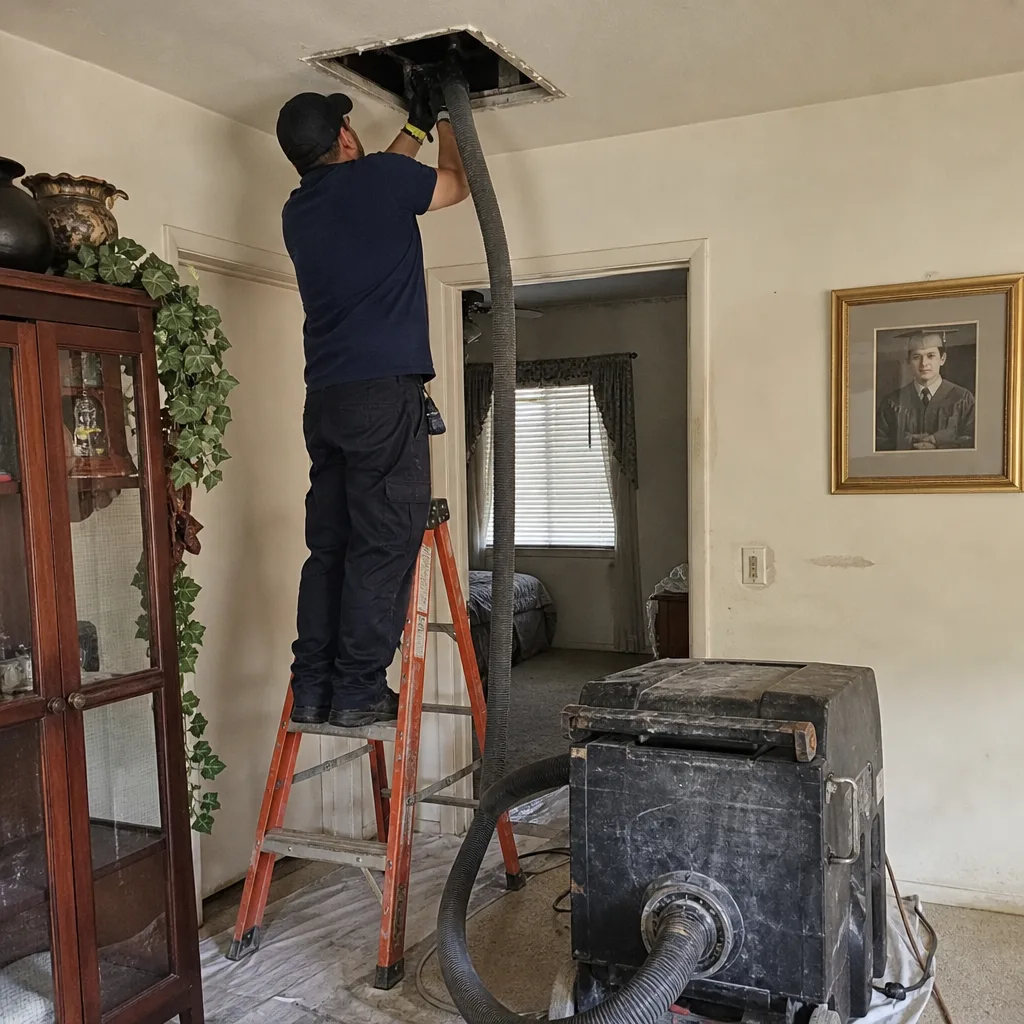 Before
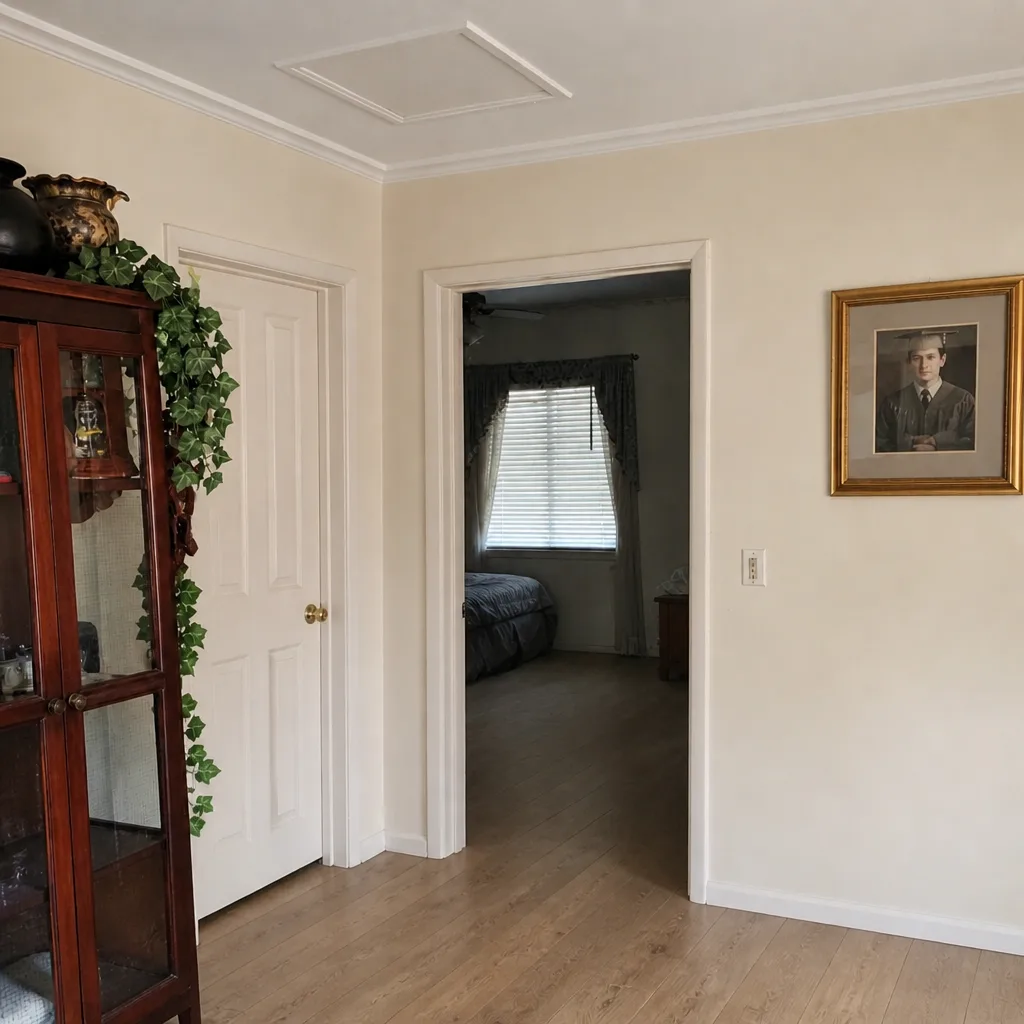 After
 Before
 After
When to Call a Professional
Call a professional the moment your checklist turns up any of the red-flag conditions we listed: visible growth inside a duct, a disconnected flex run, a musty smell that survives a filter change, rapid filter load-up, pest evidence, or a post-fire or post-flood system. Also call if it has been more than a year since the last full-system cleaning, and always call after a renovation that opened walls or disturbed insulation. Routine maintenance between visits is a homeowner task, but anything that requires opening a duct, handling contamination, or repairing a joint belongs with a trained technician using professional containment. A licensed local professional is licensed and insured as their state requires, and the estimate should come in writing with the scope clearly stated. La Habra Air Duct Cleaning Pros offers free estimates in La Habra. Call (877) 367-5749. We answer 24/7. Fast dispatch from 7am to 7pm, Sunday through Friday.
Frequently Asked Questions
Once a year is the right baseline for most La Habra homes, and more often if you have pets, allergies, recent renovation dust, or a home near the dusty foothill side of town where Santa Ana events pull more particulate into the return system. Homes with a household member who has asthma or seasonal allergies often benefit from a cleaning plus a sanitizing step every year. Between professional visits, follow the monthly and quarterly checklist on this page so you catch a load-up problem early. Call (877) 367-5749 for an exact quote. Estimates are free.
Low quotes usually cover only the register boots and the trunk line, not the full supply and return network, or they price per vent to make the initial number look smaller. The dust that actually circulates lives deeper in the runs, in the return plenum, and on the coil, and cleaning only the visible parts doesn’t touch it. Ask any company for a flat rate per system with a written scope, and ask which cleaning system they use by brand. A responsible company will give you a range and a written estimate before any work starts. Call (877) 367-5749 for a free estimate.
Ask for before-and-after photos of your own ductwork, taken at the access points. A technician with a professional-grade system should be able to show the interior of the run at the start and at the finish, plus a written summary of what was found and what was cleaned. The written estimate sets the final price, and a flat rate per system means the number doesn’t change once the technician is on site. Call (877) 367-5749 to book an estimate.
No, not effectively. A shop vac doesn’t have the airflow to agitate dust off the duct walls or hold the negative pressure needed to keep it contained during the process. Flexible wands sold for home use can crush flex duct and dislodge collars. Professional cleaning uses a rotary brush and high-volume vacuum system (Rotobrush and Nikro in our case) that reaches the full length of the run and keeps dust from spreading through the living space. Light monthly checks are a homeowner task. Full cleaning is not. Call (877) 367-5749 for a free estimate.
La Habra’s inland heat and the foothill dust that blows down from the Puente and Coyote hills both load the filter and duct system faster than a milder coastal climate would. Long summer cooling cycles push that dust through the coil and supply runs repeatedly before the filter catches it, which is why tracking filter load-up dates matters more here than a fixed calendar interval. Attic duct runs on the sunny side of a roof also sag and can separate from their collars in the heat. Call (877) 367-5749 to schedule a free estimate.
It’s a separate checklist and a fire-safety item, not a duct-cleaning add-on. Look for lint visible behind the dryer, a dryer that takes noticeably longer to dry a load, or a vent flap outside that doesn’t open fully during a cycle. Any of those means book a dedicated dryer vent cleaning. Our technicians clean dryer vents separately from the HVAC system because the lint load and the fire risk require a different containment approach. Call (877) 367-5749 for an exact quote. Estimates are free.
The Bottom Line
The most valuable thing on this checklist is not the annual cleaning. It’s the February morning when you notice the filter loaded up faster than it did in January, and you have a date on the frame and a record that tells you it’s a duct-leak problem, not a filter problem. Monthly visible checks, quarterly flashlight-and-mirror inspections, static-pressure-aware filter tracking, a renovation-specific reset, and one full-system professional visit a year keep a La Habra home’s ductwork from quietly redistributing buildup for months. When a red flag shows up, don’t clean around it. Find what’s wrong and fix it, then seal it so it doesn’t come back. That’s the full-system approach, and it’s the one that lets you breathe with confidence.
Call (877) 367-5749. We answer 24/7. Fast dispatch from 7am to 7pm, Sunday through Friday. Closed Saturday.
Written by the team at La Habra Air Duct Cleaning Pros.