
Last updated November 23, 2026
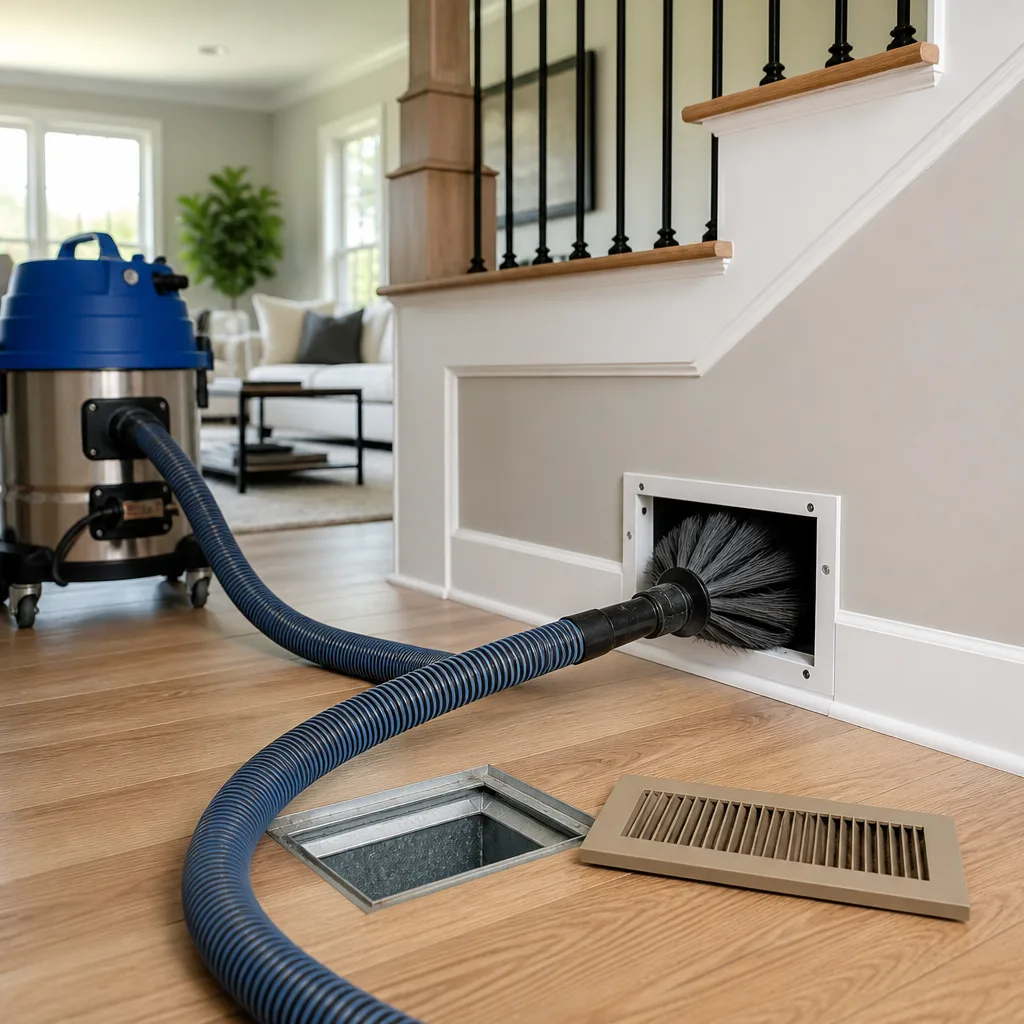 Whole-home duct cleaning
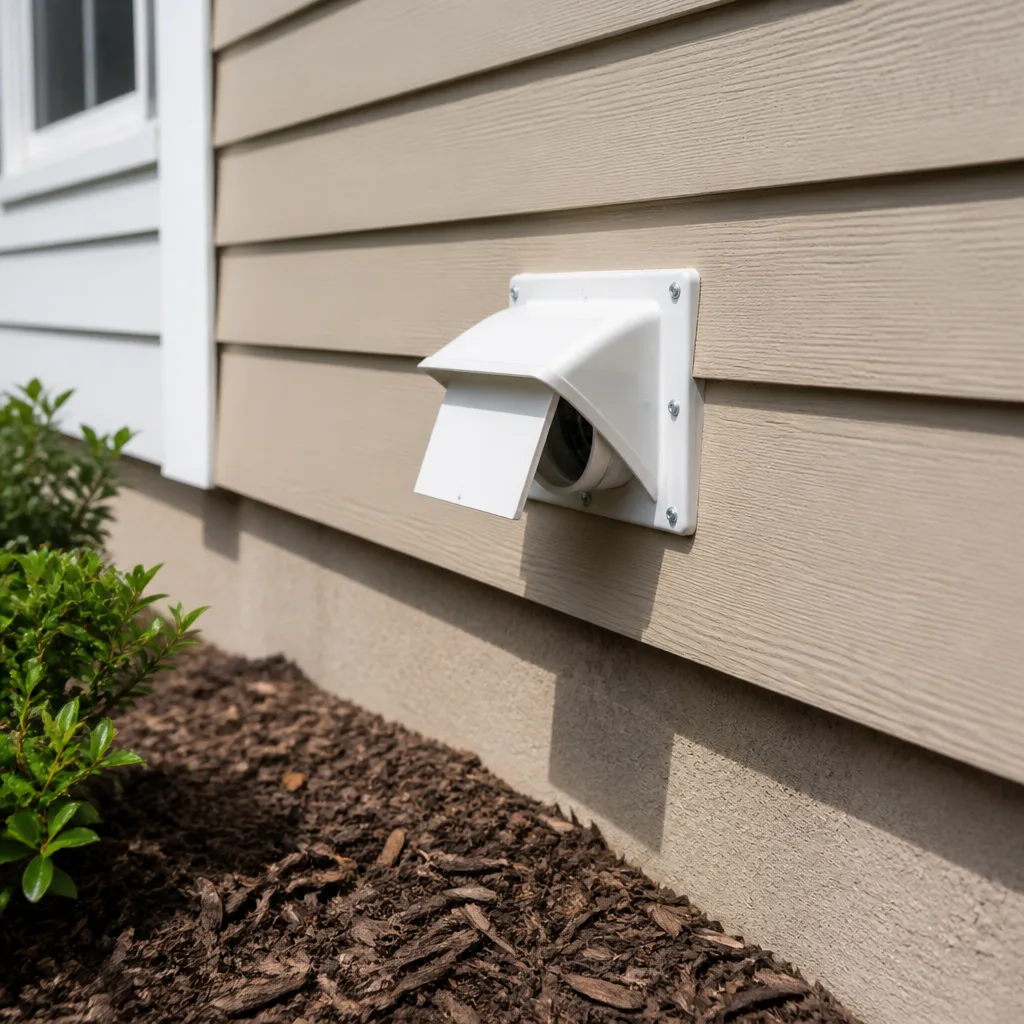 Dryer vent cleaning
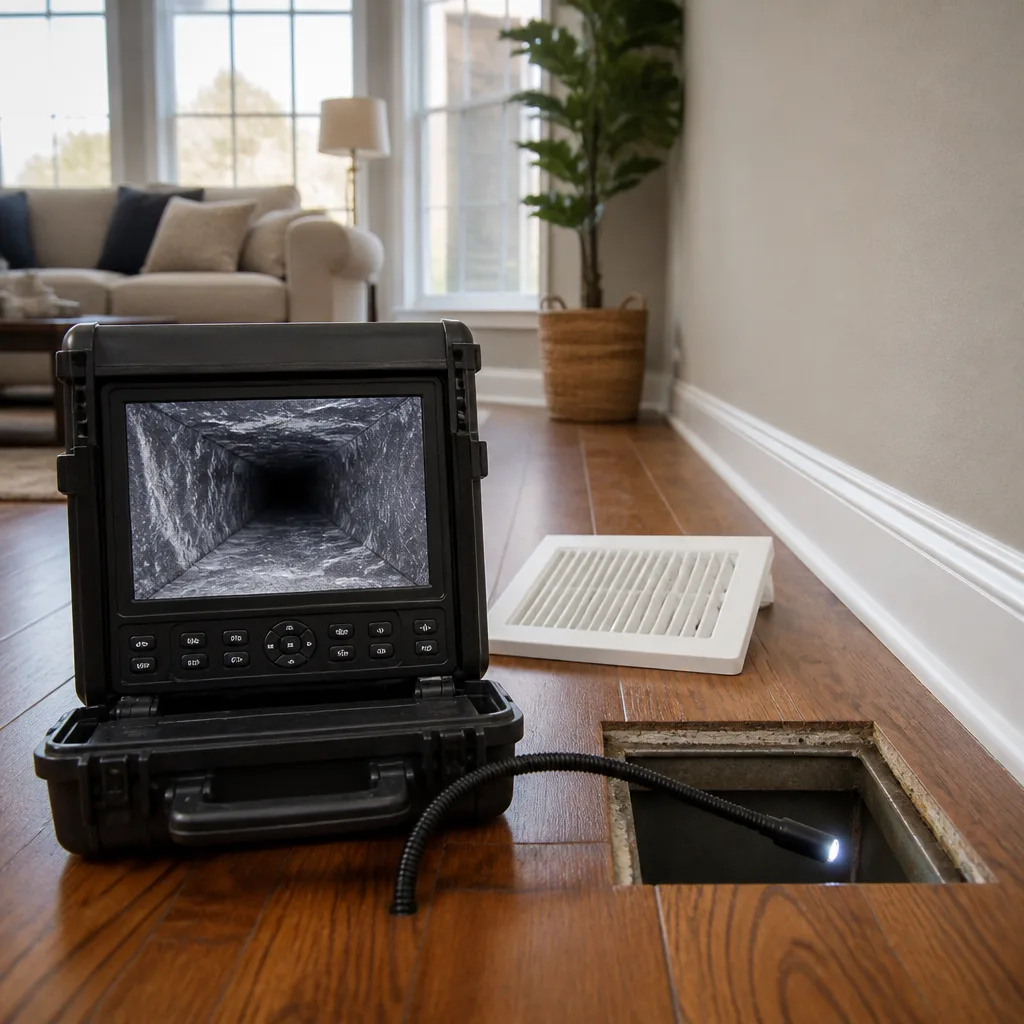 Camera inspection
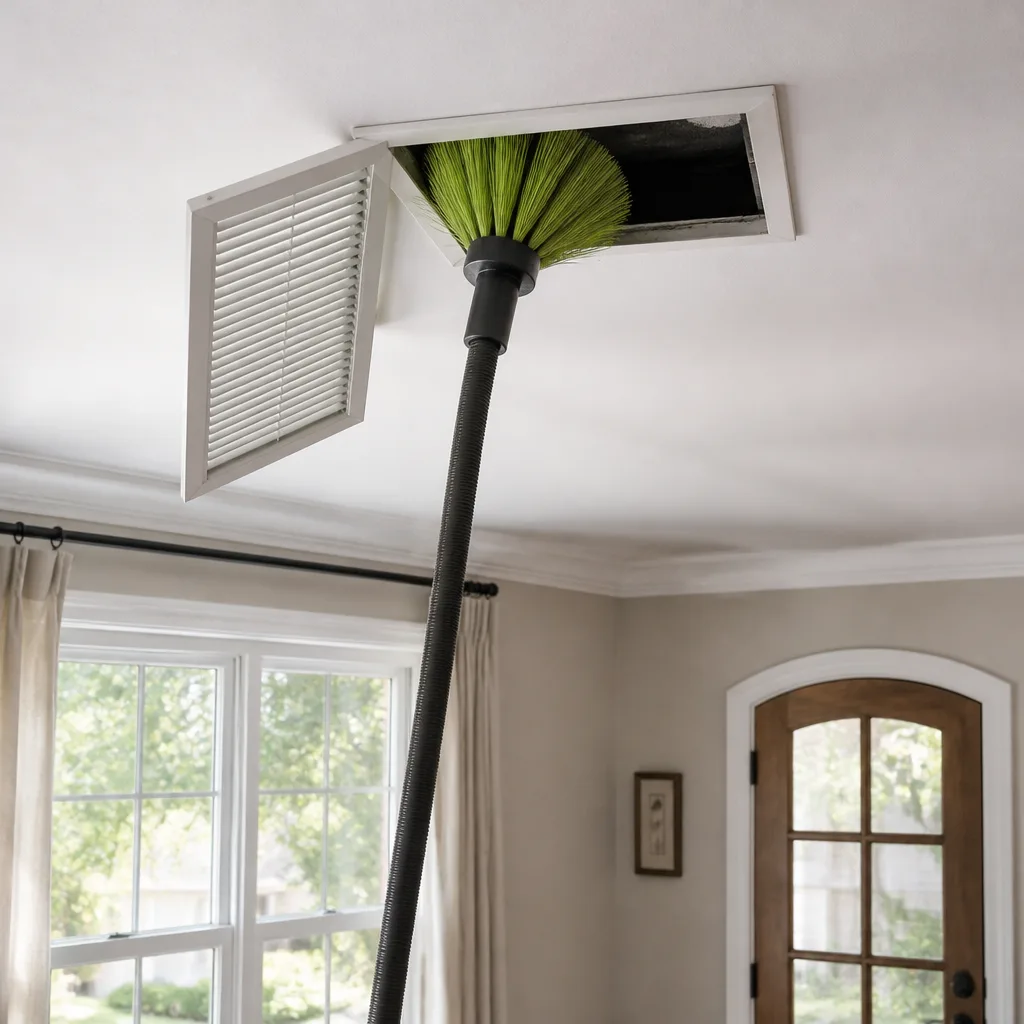 Sanitizing & deodorizing
Whole-system duct and dryer vent check with before-and-after photos - you see exactly what came out of your vents
That "$99 whole-house special" is a bait ad - the real number appears once they are in your hallway, or the "clean" is a shop-vac at the register. We photograph the inside of your ducts before and after instead.
DIY vs Professional Air Duct Cleaning: The La Habra Homeowner’s Decision Guide
Most DIY duct cleaning advice misses the point. The question isn’t whether you can reach into a vent with a shop vacuum – of course you can. The question is what that vacuum actually does. A consumer-grade wet/dry vac pulling 65 to 80 cubic feet per minute (CFM) applied to a supply register doesn’t clean the duct. It loosens dust from the register collar and pushes it toward the air handler, where it settles on the coil. The duct is now dirtier downstream than when you started. In La Habra, where thousands of homes were built before 1980 with older flex duct and decades of settled debris, that mistake compounds. This guide draws a precise line between the tasks homeowners can genuinely do and the jobs that require commercial equipment – using airflow thresholds and tool capability as the deciding criteria, not vague “leave it to the pros” warnings.
Quick Answer
Effective duct cleaning requires vacuum airflow in the 2,000+ CFM range paired with mechanical agitation (a rotary brush) inside the duct – a threshold no consumer tool sold at a home improvement store reaches. Homeowners can safely handle register surface cleaning, filter replacement, visible flex duct inspection, and dryer vent lint trap clearing. Everything involving a shop vacuum inserted into supply or return ducts, older insulation, or sealed plenum access is a professional job. Our technicians have up to 10 years of experience, and the gap between a consumer shop vac and a Rotobrush system is the single most important fact in this decision.
Styles & brands we work with
- Whole-home duct cleaning
- Dryer vent cleaning
- Camera inspection
- Sanitizing & deodorizing
Table of Contents
- The CFM Threshold: Why Consumer Vacuums Make Ducts Worse
- What Homeowners Can Legitimately Do Themselves
- When DIY Creates New Problems in La Habra Homes
- Cost-Benefit Math: Is the Gap Worth It?
- One Day With Rental Equipment vs. a Professional Crew
- The Equipment Gap: Rotobrush, Nikro, and Abatement Technologies
- Why Cleaning Without Repair Misses Half the Problem
- A Decision Framework for La Habra Homeowners
The CFM Threshold: Why Consumer Vacuums Make Ducts Worse
CFM – cubic feet per minute – measures how much air a vacuum moves. It’s the number that determines whether debris gets held in suspension and removed, or loosened and dropped back into the system. In our experience, the threshold for effective duct vacuuming sits far above what any consumer tool provides.
Here’s the comparison that matters:
- Consumer shop vac (5-12 gallon): 65-80 CFM at the hose, often less at the nozzle once you attach a reducer
- Consumer “duct cleaning kit” with a blower: 100-200 CFM peak, and it blows rather than pulls – pushing debris deeper into the system
- Professional truck-mount or portable duct vacuum: 2,000-4,000+ CFM at the unit, holding negative pressure across the entire duct run
- Rotobrush rotary brush system: brush agitation combined with 1,500+ CFM extraction, so loosened material is captured rather than redistributed
The physics is straightforward. Your HVAC system moves roughly 400 CFM per ton of cooling capacity. A 3-ton system in a typical La Habra home moves about 1,200 CFM through the ducts during normal operation. If your vacuum pulls 65 CFM, you’re removing dust at 5 percent of the rate the system distributes it. Worse, the suction nozzle dislodges settled material at the register collar without enough airflow to carry it away – so it drifts toward the air handler, coats the evaporator coil, and reduces your system’s cooling capacity and airflow. You can feel the difference on a summer afternoon in La Habra, where inland Orange County heat pushes systems hard from June through October.
That’s the core reason duct cleaning can’t be a homeowner project. The failure isn’t in effort. It’s in the tool.
What Homeowners Can Legitimately Do Themselves
Not every airflow task needs a commercial truck. Several maintenance jobs are within a homeowner’s reach, and doing them well buys real time between professional cleanings. Here’s what’s genuinely safe:
- Register and grille cleaning. Remove each supply and return register cover, wash it in warm soapy water, dry it fully, and reinstall. Wipe the visible collar with a damp microfiber cloth – the surface dust that accumulates there is the main source of the “dusty vent” look. Don’t push anything into the duct.
- Filter replacement. Change the HVAC filter on schedule – typically every 60 to 90 days, more often during La Habra’s dusty Santa Ana wind season when airborne debris spikes. A clogged filter chokes airflow and forces the blower to work harder. Confirm the filter slot is fully seated so air can’t bypass around the edges.
- Accessible flex duct visual inspection. If you can see a run of flex duct in an attic or crawlspace, look for crushed sections, kinked bends, torn outer jacket, or disconnected collars. Note problems; don’t try to fix them yourself. A pinched flex run cuts airflow the way a kinked garden hose cuts water.
- Dryer vent lint trap cleaning. Pull the lint screen after every load and wash it occasionally with soapy water – dryer sheets leave a film that blocks airflow. Vacuum the trap housing with a crevice tool. This is real fire prevention, and it’s a task worth building into your routine.
- Outdoor condenser coil rinse. Gently hose off the outdoor AC unit’s fins at the start of cooling season. Skip the power washer.
Notice what’s not on the list: inserting anything into a duct, running a vacuum nozzle into a supply boot, or attempting to reach into the return plenum. Those are the line items that separate safe DIY from system damage.
When DIY Creates New Problems in La Habra Homes
La Habra has a specific housing mix that makes DIY mistakes costlier than they would in newer construction. A large share of the city’s homes date to the 1950s through the 1970s – the tract build-out that followed World War II and continued through the early 1980s. Those homes carry duct systems and materials that don’t tolerate exploratory vacuuming.
Aged flex duct. The inner liner of flex duct from the 1970s and early 1980s becomes brittle with heat cycling. In La Habra’s inland climate, attic temperatures routinely exceed 130°F in summer. A vacuum nozzle pushed into an aging flex run can tear the inner liner or collapse a duct section – and a collapsed run drops airflow to bedrooms across the whole branch. What looked like a cleaning job becomes a duct repair job.
Insulation disturbance. Some pre-1980 homes have duct wrap or attic insulation containing materials that shouldn’t be disturbed without containment. We don’t make assumptions about any individual house – but we approach pre-1980 La Habra properties carefully, and we keep Abatement Technologies negative-air equipment on hand for jobs where containment matters. A homeowner with a shop vac has no way to hold dust in a defined zone; whatever they loosen goes airborne into the living space.
Sealed and inaccessible plenums. Return plenums built into wall cavities are typical in older La Habra construction. Getting to them safely means cutting access in a controlled way, resealing it properly, and knowing what’s behind the drywall. That’s not a homeowner task.
Hidden leaks. A duct system losing 20 to 30 percent of its air to leaks in an attic is common in older homes. If you vacuum the ducts but leave the leaks, you’ve cleaned air that will be re-contaminated within a season by attic dust pulled through the gaps.
Cost-Benefit Math: Is the Gap Worth It?
The math is simpler than most homeowners expect. Three things to weigh: what the professional job costs, what the DIY attempt costs in tools and time, and what a DIY mistake costs to fix. Typical estimates help frame the decision:
- DIY approach: Shop vac (often already owned), a duct cleaning kit with brushes ($30-$80), 4-6 hours of a Saturday, and a meaningful chance of no measurable improvement – or a worsened system
- Professional full-system cleaning: Written estimate set per job before work starts, covers supply and return ducts, registers, air handler and coil access, with before-and-after photos of your own ducts
- Duct repair and sealing (if needed): Diagnosed during the cleaning visit, with a written estimate for any additional work; priced separately from the cleaning
Now the risk side. In a 1960s La Habra home, a collapsed flex run or torn liner typically means replacing that branch – a repair job that could have been avoided entirely. Disturbing insulation without containment means a professional remediation callback. And redistributed debris that coats the evaporator coil can reduce cooling efficiency for the rest of the season. Each of those outcomes costs more than a full cleaning estimate.
The decision rarely comes down to the dollar gap. It comes down to whether the DIY option actually works. When it doesn’t, you’ve spent a Saturday to move dirt from the duct to the coil. A professional estimate is free, and the written price is set per job – one flat number agreed before any work starts. Call (877) 367-5749 and get a real number to compare against. We answer 24/7.
One Day With Rental Equipment vs. a Professional Crew
Homeowners sometimes try to rent or buy equipment to simulate a professional job. Here’s what a realistic Saturday looks like compared to what a crew running the right gear accomplishes in two to three hours.
What a homeowner can realistically accomplish in one day
- Rent a shop vac or carpet-cleaning unit (still under 200 CFM at the nozzle)
- Remove and wash registers (1-2 hours for a full house)
- Run a brush kit into a couple of accessible supply runs from the register end – no access to the main trunk or return plenum
- Vacuum the air handler cabinet exterior
- Change the filter
- Leave the main trunk, return plenum, coil interior, and dryer vent duct untouched
Net result: registers look better, the coil is unchanged, the trunk and returns still hold decades of settled debris. If you disturbed anything loose in a supply run, some of it moved into the air handler.
What a professional crew accomplishes in 2-3 hours
- Sets up negative pressure at the air handler with a truck-mount or high-capacity portable vacuum
- Uses a Rotobrush rotary brush system to agitate and extract debris from each supply and return run
- Cleans the main trunk line and return plenum that DIY never reaches
- Pulls and cleans the evaporator coil on the air handler – a step that restores cooling capacity
- Cleans the dryer vent run end to end
- Documents with before-and-after photos of your ducts
- Flags any duct leaks or disconnected runs for repair and sealing
The professional setup costs a written quote per system. The DIY Saturday costs a rental plus your time and produces a partial result at best. That asymmetry is the whole argument.
The Equipment Gap: Rotobrush, Nikro, and Abatement Technologies
Equipment shapes the outcome more than any technique. That’s why we’re specific about what runs the job.
Rotobrush is the industry-standard rotary brush and vacuum system used by HVAC contractors and restoration companies. It combines a spinning brush head – sized to the duct – with high-volume extraction, so loosened debris is captured inside the negative-pressure zone instead of drifting into the home. It reaches surfaces a passive vacuum could never touch, including the ridges and seams where dust binds to duct walls.
Nikro systems cover the high-capacity vacuum side, providing the negative pressure and filtration needed to hold the entire duct network under containment while brushing happens. Combined with Rotobrush, it lets a technician clean from one register to the next without releasing dust into the room.
Abatement Technologies negative-air equipment is reserved for the jobs where containment matters most – mold-adjacent conditions, renovation dust cleanup, allergen-sensitive work. It’s the equipment class most standalone duct cleaners don’t have, and it’s why contamination-sensitive jobs get refused or mishandled elsewhere.
Honeywell and Aprilaire air quality products round out the system. After cleaning, a home can add whole-home filtration or an air purifier inline with the HVAC system; we supply and install both brands as part of the sanitizing and improvement scope.
No consumer store kit approaches any of this. That’s the honest gap. It isn’t cleverness or skill, it’s equipment class.
Why Cleaning Without Repair Misses Half the Problem
Cleaning alone can be undermined by leaks. If a return plenum is drawing attic air through a disconnected joint, freshly cleaned ducts re-contaminate within weeks. Older La Habra homes are vulnerable here, because duct systems built decades ago weren’t sealed to today’s standards – and time loosens taped joints.
That’s why duct repair and sealing belongs on the same visit as cleaning. During cleaning, the technician sees every run end to end, and can flag:
- Disconnected flex duct collars (common in attics over time)
- Torn outer jackets on flex runs
- Loose tape or mastic at trunk joints
- Collapsed or pinched bends that choke airflow to specific rooms
- Leaks at register boots where duct meets drywall
Sealing those leaks preserves the cleaning and improves system efficiency at the same time. A cooler-running system in La Habra’s summer heat pays back gradually. Most duct cleaners won’t offer this step – you’d need to call a separate contractor for the repair, then wait for a second visit. Handling both in one call shortens the timeline and keeps the diagnosis with the technician who already saw every duct run.
If you’re scheduling cleaning, ask specifically whether the technician can identify and seal leaks. If the answer is no, ask who you’ll need to call next.
A Decision Framework for La Habra Homeowners
Here’s a practical way to decide, task by task.
- Register and grille surfaces, filter changes, lint trap, exterior coil rinse: do these yourself. No risk, real benefit.
- Visible flex duct inspection for damage: do it yourself – but don’t touch what you find. Photograph it and get an estimate.
- Any step that puts a vacuum nozzle inside a supply or return duct: professional. Consumer CFM can’t extract what it loosens.
- Any home built before 1980, any home with visible insulation damage or musty odors, any home with recent renovation dust: professional cleanup with containment. This is where DIY risks turning a cleaning job into a remediation job.
- Any home where the ducts have never been cleaned and are 8+ years old: professional. Filter changes don’t address settled trunk or coil debris.
- Any home with an unexplained energy bill spike or airflow complaint to specific rooms: professional diagnosis. Likely duct leak or collapsed run – cleaning alone won’t fix it.
Our La Habra Air Duct Cleaning Pros team runs through this checklist on every estimate call, so the quote covers what actually needs doing – nothing more.
Common Mistakes to Avoid
- Using a shop vac on supply registers. At 65-80 CFM, the vacuum dislodges dust from the register collar and pushes it inward, coating the air handler and coil. The system ends up dirtier than before.
- Pointing a leaf blower or “duct cleaning” blower into a return. Blowing instead of pulling drives settled debris deeper into the system and straight into your living space. Never do this in a home you’re going to occupy immediately.
- Assuming a filter change counts as cleaning. Filters catch what the air handler sees. They don’t touch trunk lines, return plenums, or the interior face of the coil. In an older La Habra home, those are the places that hold the accumulated dust.
- Vacuuming old flex duct in 1960s-1970s houses without inspecting first. Aging inner liners tear easily. A collapsed run knocks out airflow to bedrooms and turns a cleaning into a repair.
- Disturbing insulation in pre-1980 attics without containment. Some older insulation materials shouldn’t be disturbed casually. Professional equipment holds dust in a defined zone; a shop vac doesn’t.
- Cleaning but skipping dryer vent cleaning. The dryer vent is part of the same indoor air pathway and a real fire-safety concern. It’s one of the services we handle in the same visit for exactly that reason.
- Believing a $59 coupon covers full-system cleaning. Any quote that low is priced per vent or covers only the surface. Ask what’s included: main trunk, return plenum, coil, and dryer vent should all be named.
See the difference
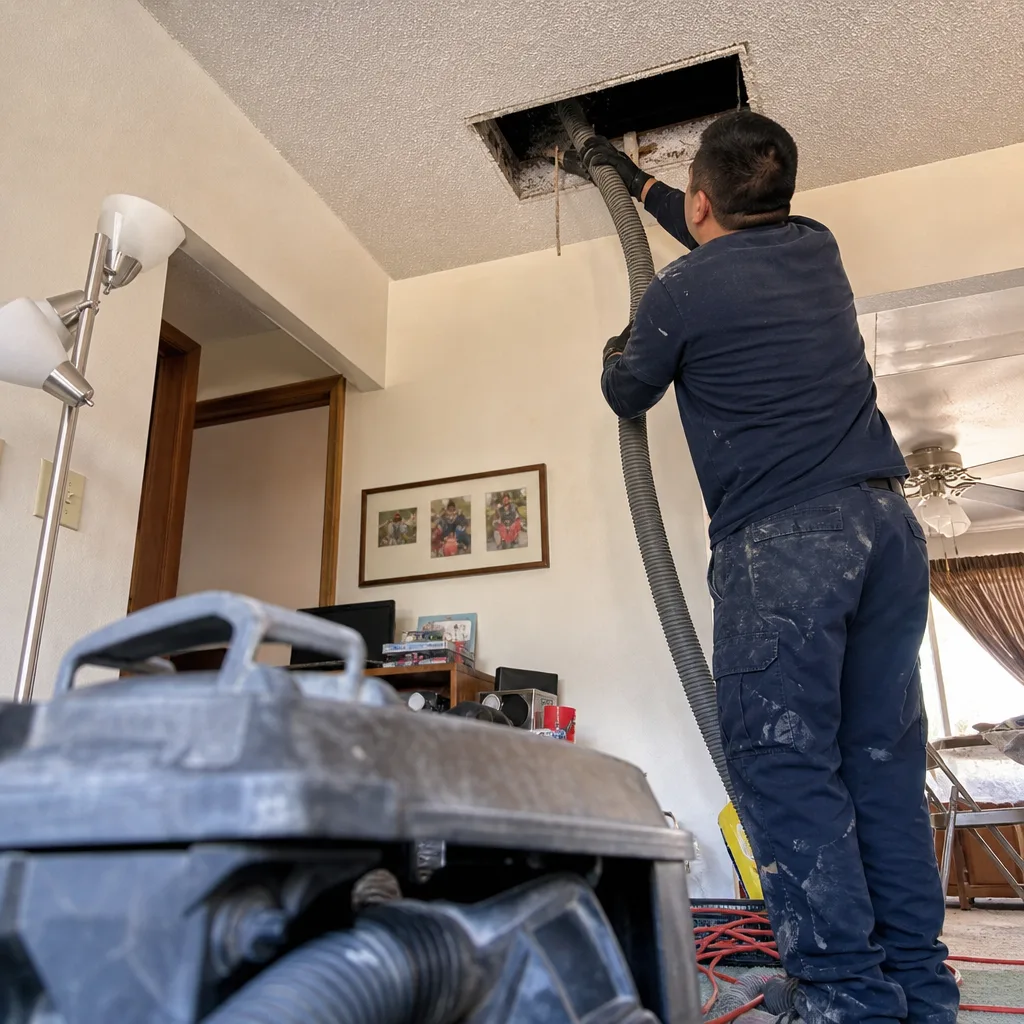 Before
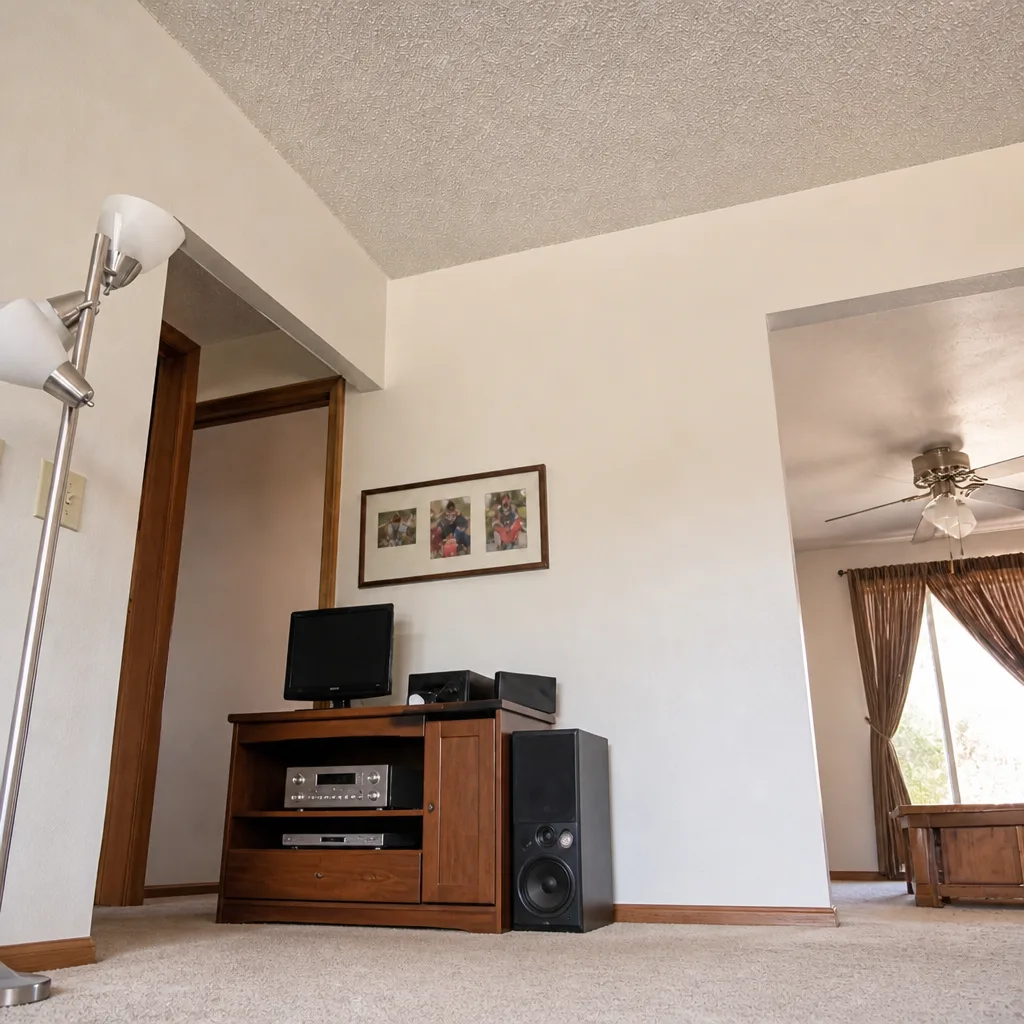 After
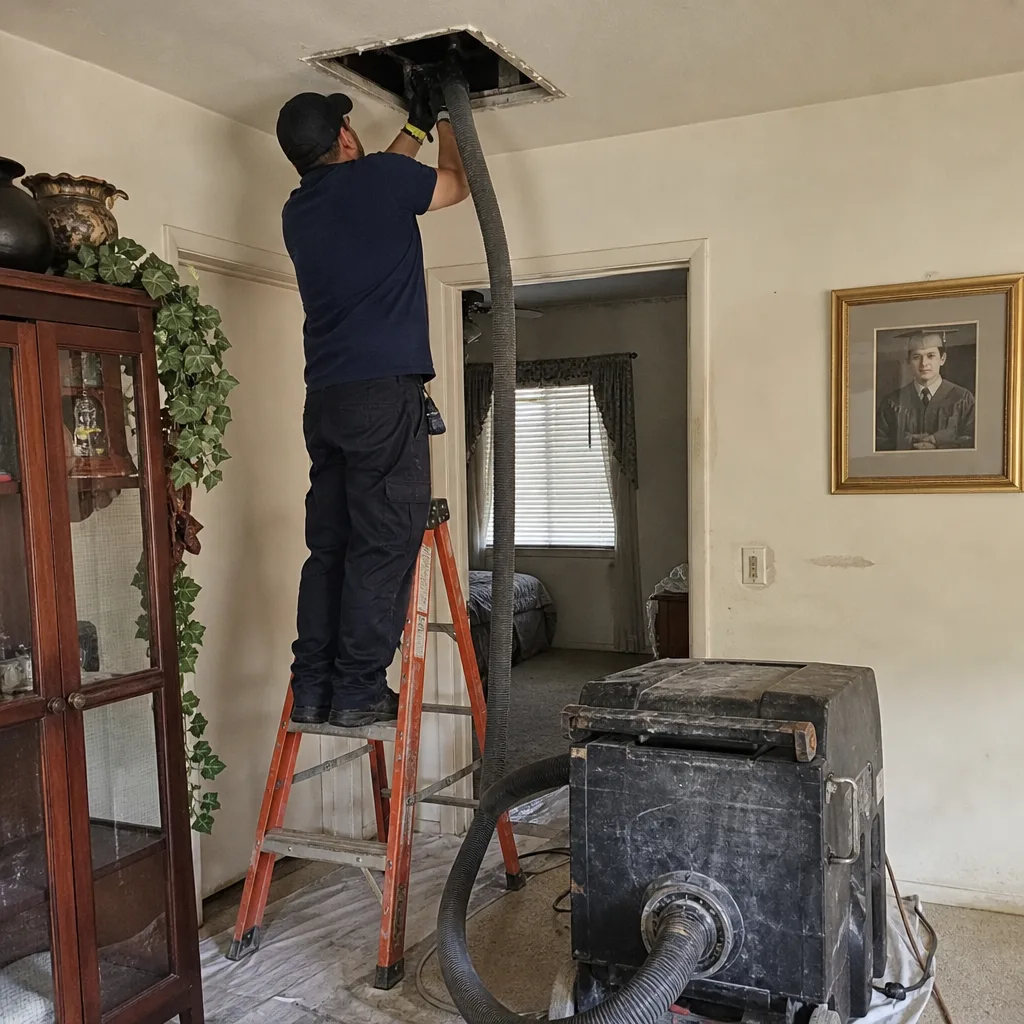 Before
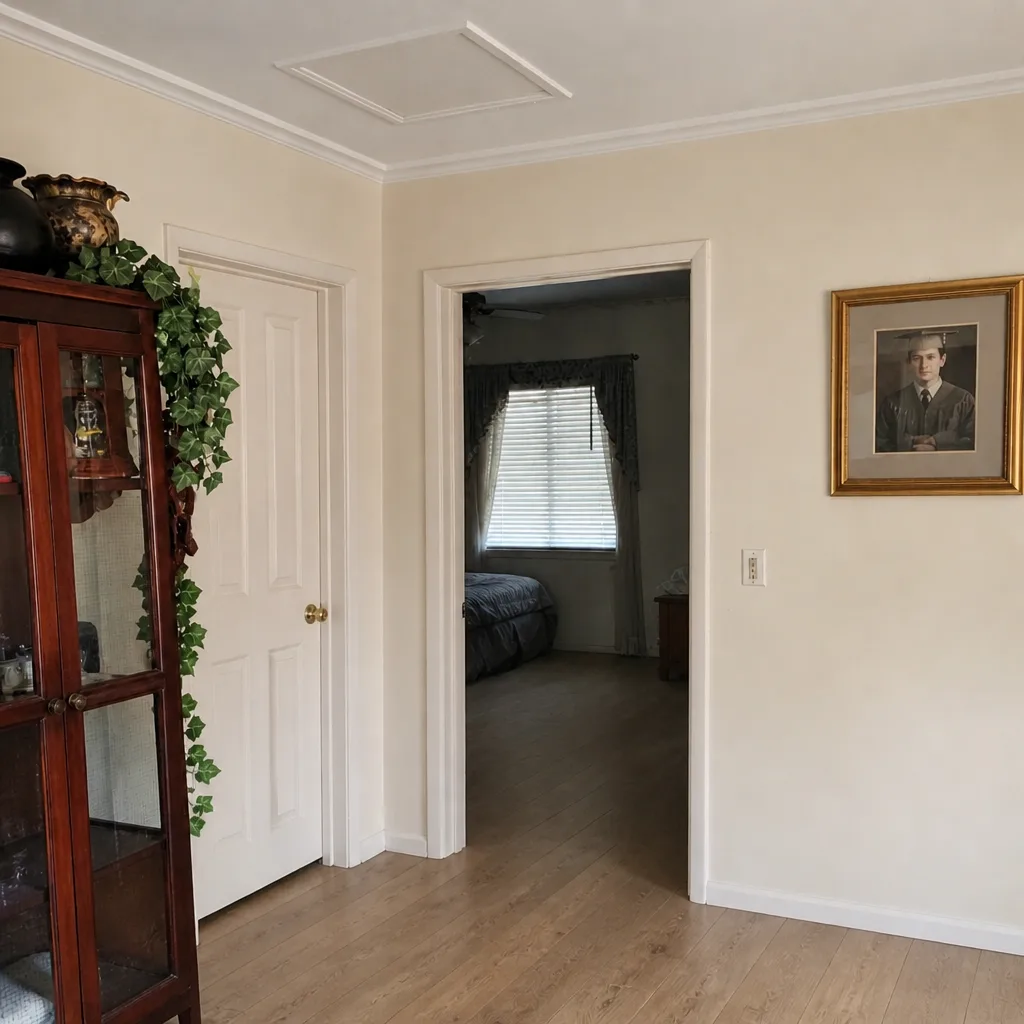 After
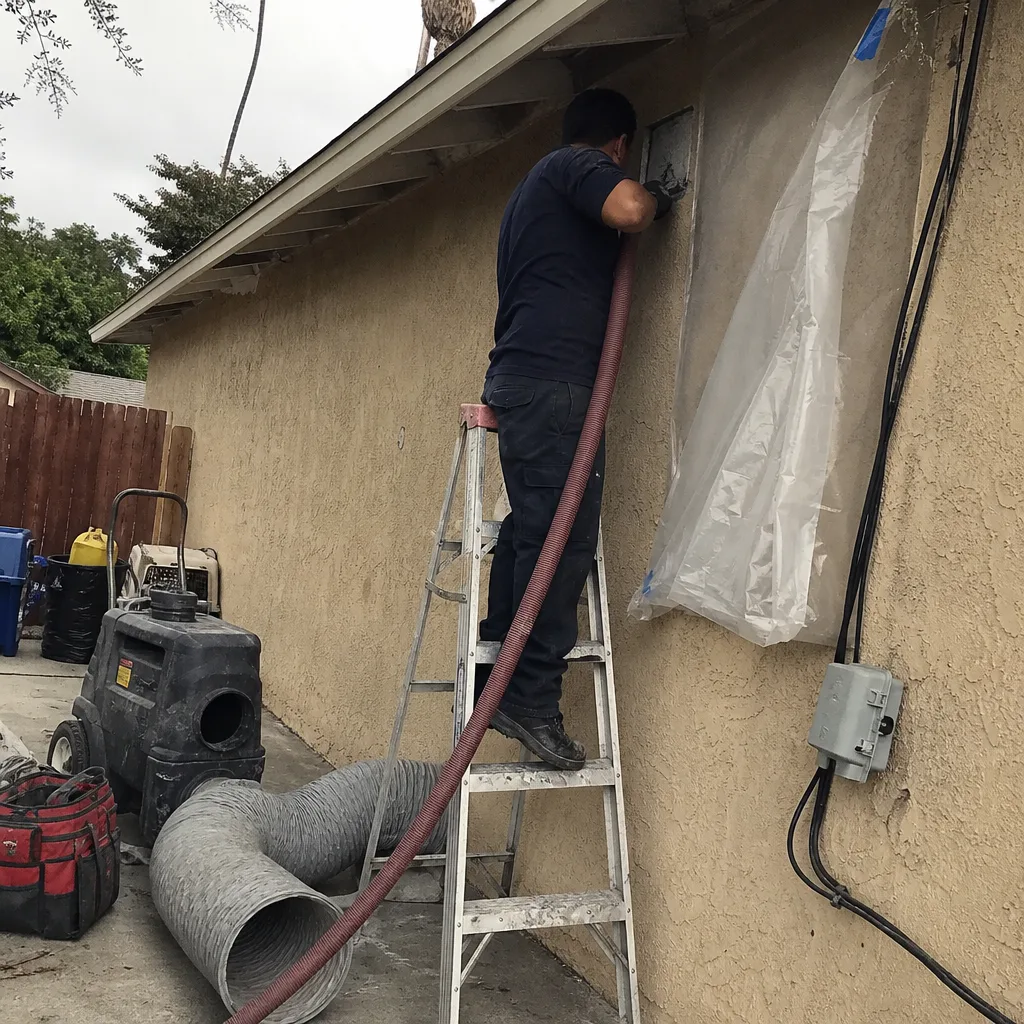 Before
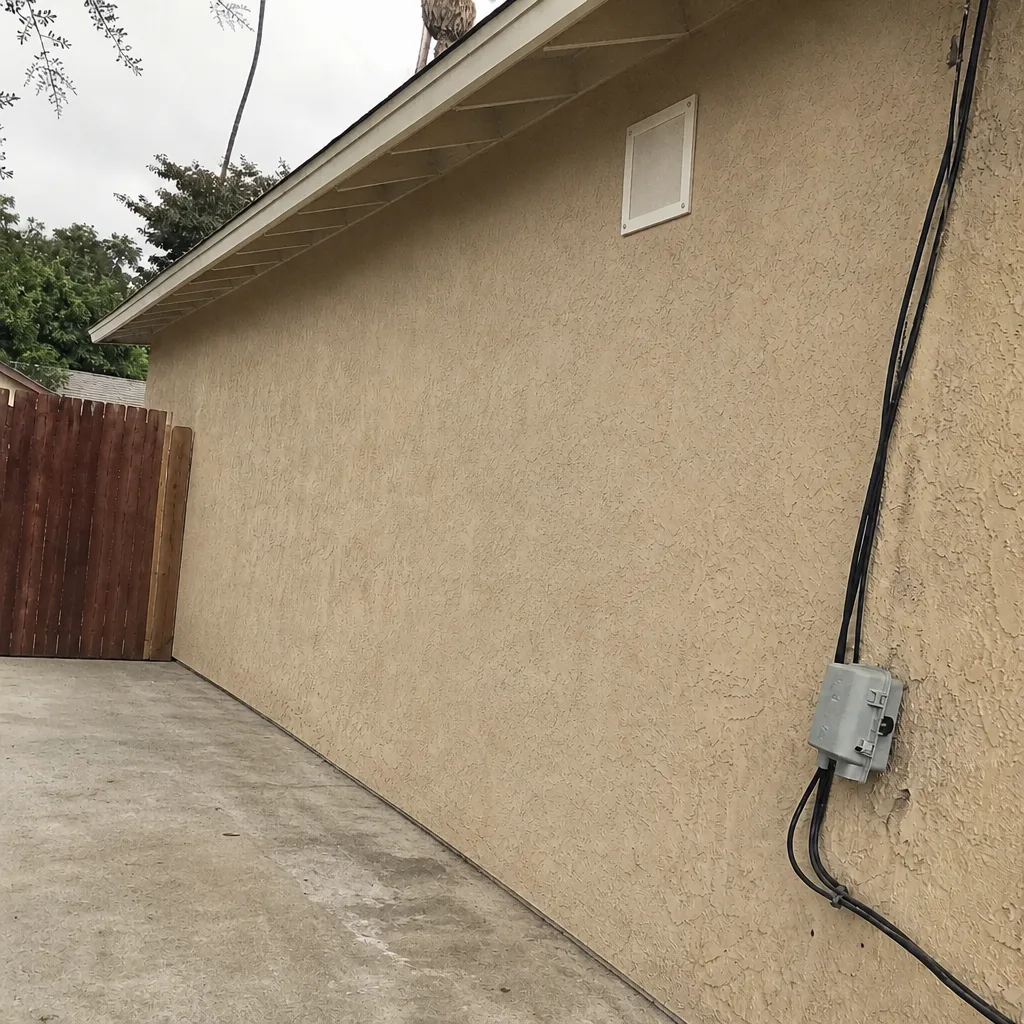 After
When to Call a Professional
Call us when you’re ready to clean the parts of the system you can’t see or reach – the main trunk, return plenum, and evaporator coil. Call when your home was built before 1980 and the ducts have never been professionally cleaned. Call when someone in the household has allergy symptoms that worsen at home, when renovation dust is still sifting out of registers, when a musty smell lingers after the AC cycles, or when your energy bill has jumped without a rate change. Call when a room feels warm in summer while the rest of the house is cool – that’s usually a duct leak or collapsed run, and cleaning won’t fix it without repair. La Habra Air Duct Cleaning Pros offers free estimates in La Habra – call (877) 367-5749. We answer 24/7, and fast dispatch runs from 7am to 7pm, Sunday through Friday.
Frequently Asked Questions
No – a shop vac doesn’t move enough air (typically 65-80 CFM) to extract what it loosens, so dust ends up redistributed toward the air handler instead of removed. You can clean the register covers and change the filter yourself, but the ducts themselves need professional equipment. Call (877) 367-5749 for a free estimate; we’ll tell you honestly whether you need a cleaning at all.
Pricing is set per job by a written estimate, so the number depends on system size, number of runs, and any repair or sealing the technician finds. One flat price per system is agreed before work starts – no per-vent pricing, no coupon bait. Call (877) 367-5749 and we’ll quote your specific home; estimates are free.
Cheap quotes usually price per vent, cover only the surface, and skip the main trunk, return plenum, and coil – or they’re a teaser that grows once the technician is on site. A real full-system cleaning includes supply and return ducts, the air handler, the coil, and the dryer vent. Ask any contractor what’s in the quote before you book; then call (877) 367-5749 for an honest whole-system estimate.
Before-and-after photos of your own ducts, taken during the visit. Any legitimate duct cleaning produces visual evidence of the interior before and after cleaning, and you should expect to see it. We provide it as standard on every job – call (877) 367-5749 to schedule.
For most homes, every 3 to 5 years is a reasonable interval, with a sooner visit after renovation, water damage, a pest issue, or when a family member’s allergies worsen. Homes in La Habra built before 1980 often benefit from an earlier first cleaning because the original ductwork has never been properly cleaned. If it’s been longer than that, call (877) 367-5749 for an assessment.
Only when it’s done without proper containment. A shop vac or blower without negative pressure can release dust into the room while it loosens it from the ducts. Professional equipment – including Abatement Technologies negative-air systems for sensitive jobs – keeps the entire duct network under containment during cleaning. If airborne dust concerns you, call (877) 367-5749 and ask about the containment plan.
The Bottom Line
The DIY-versus-professional decision isn’t a moral question. It’s an equipment question. Any task you can do without inserting a vacuum nozzle into a duct is fair game – registers, filters, inspection, dryer lint trap. Any task that requires actual extraction inside the duct network needs 2,000+ CFM and mechanical agitation, and that’s a professional tool by definition. In a 1960s-1970s La Habra home, the cost of a DIY mistake is duct repair or containment remediation, which usually exceeds the price of a full cleaning. Our technicians have up to 10 years of experience, run Rotobrush and Nikro systems, and handle repair and sealing on the same visit so the cleaning holds. Call (877) 367-5749 for a free estimate. We answer 24/7. Fast dispatch from 7am to 7pm, Sunday through Friday.
For a step-by-step walk-through of what the actual professional visit includes, see our guide to air duct cleaning in La Habra. The dryer vent side of the same system is covered in dryer vent cleaning, and the coil-and-air-handler work is detailed under HVAC cleaning. If you’re comparing options for a home with musty odors or allergen triggers, the same full-system approach applies regardless of which service starts the visit – and it always begins with a free written estimate.
Written by the team at La Habra Air Duct Cleaning Pros.