
Last updated November 23, 2026
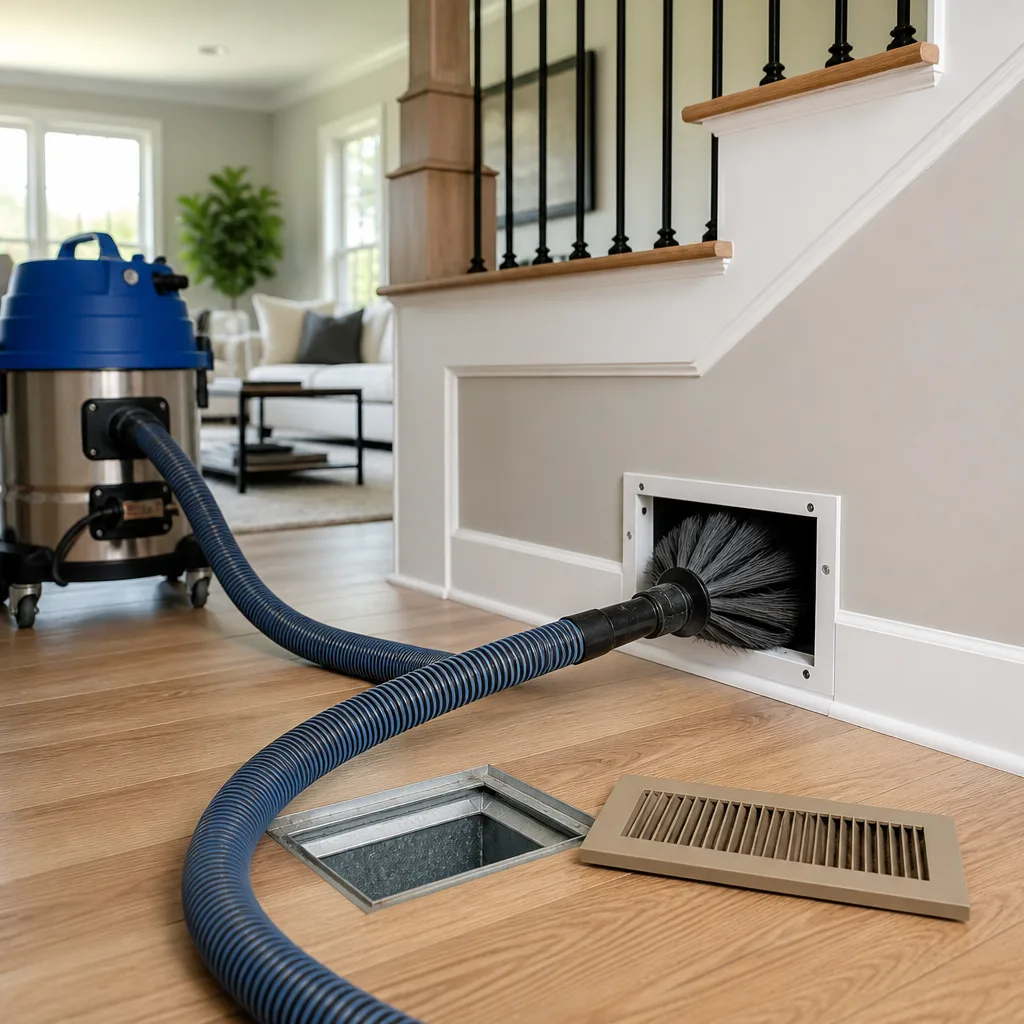 Whole-home duct cleaning
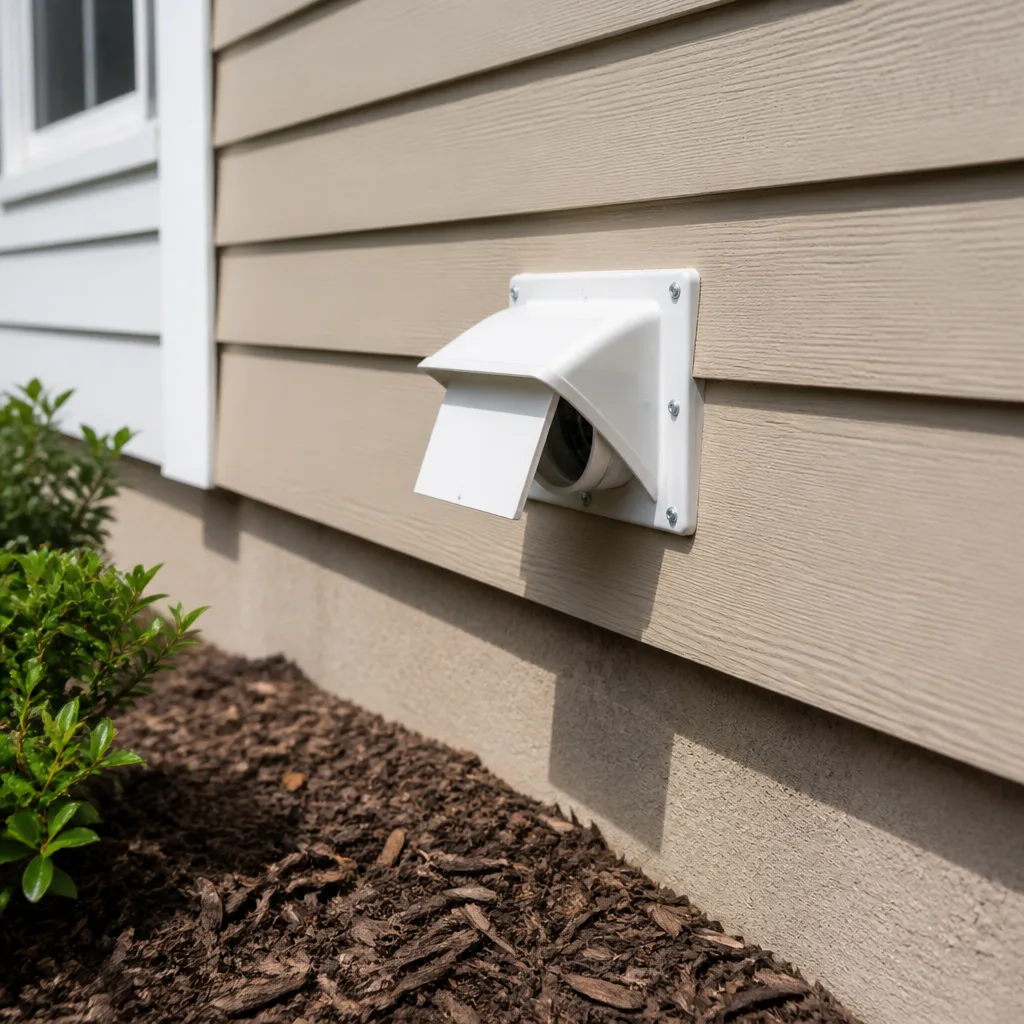 Dryer vent cleaning
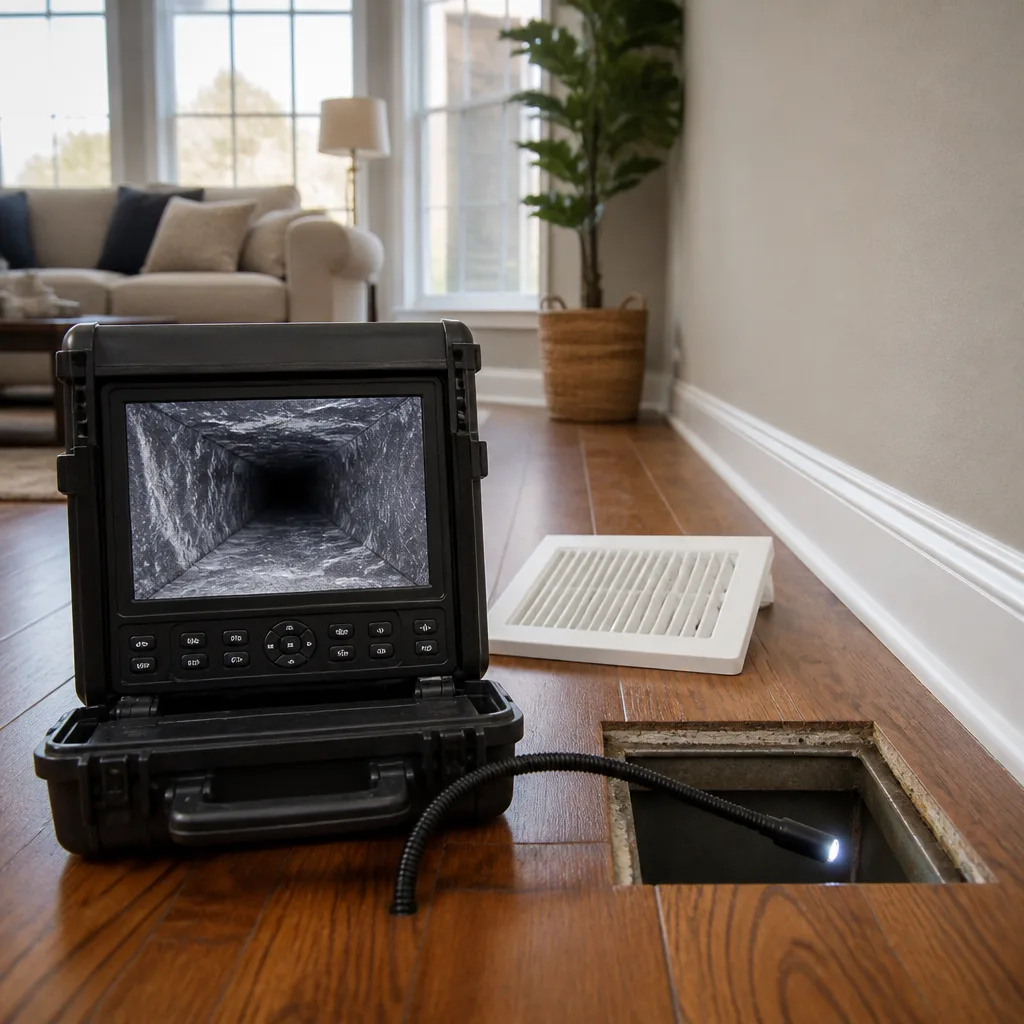 Camera inspection
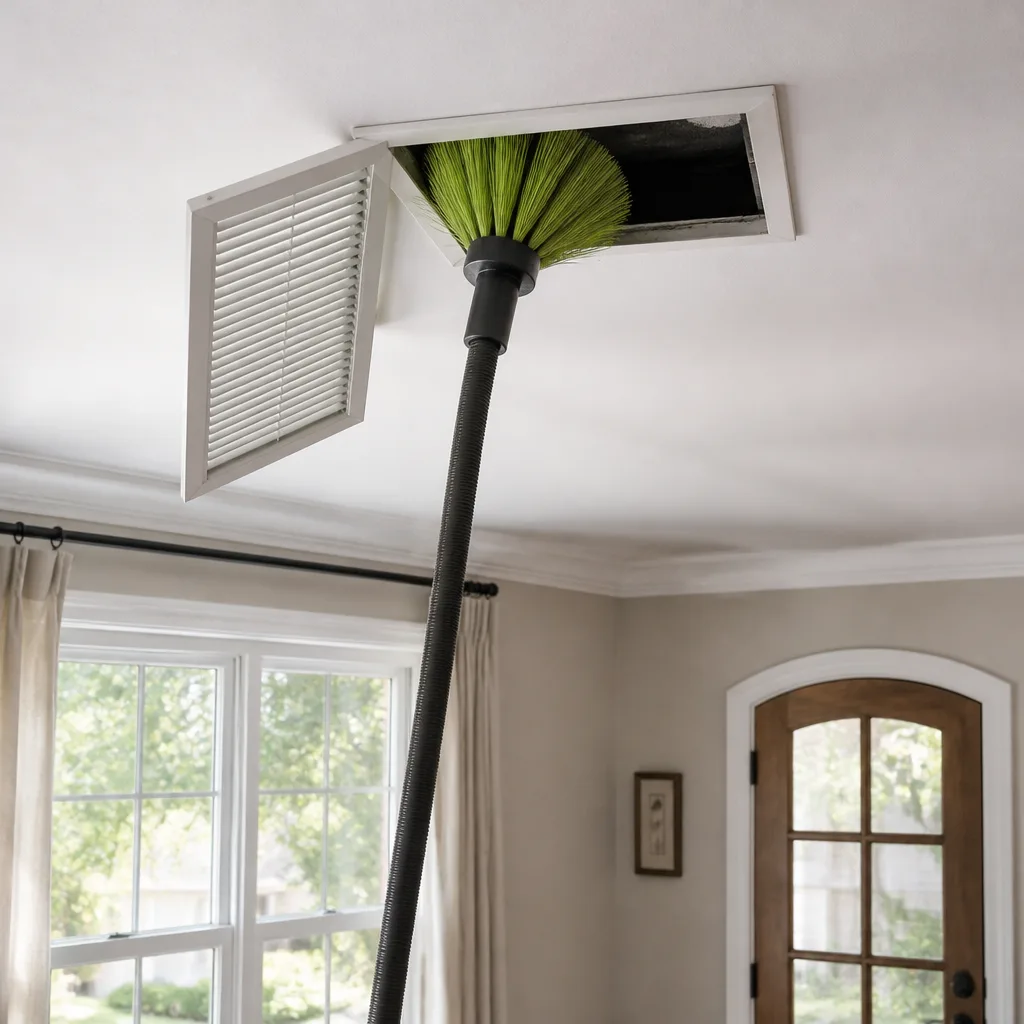 Sanitizing & deodorizing
Whole-system duct and dryer vent check with before-and-after photos - you see exactly what came out of your vents
That "$99 whole-house special" is a bait ad - the real number appears once they are in your hallway, or the "clean" is a shop-vac at the register. We photograph the inside of your ducts before and after instead.
How to Hire an Air Duct Cleaning Contractor in La Habra: A Step-by-Step Guide
California does not require a specific license to operate as an air duct cleaning company. That’s the part most homeowners never hear until something goes wrong. The person who shows up at your door in La Habra with a shop vacuum and a business card may have started that business last month, and there’s no state board checking their equipment, their insurance, or whether they know a supply duct from a return. In a trade where the work happens inside your walls and behind your registers, you can’t see the result without being taught what to look for. This guide gives you that framework: the three documents to request before booking, how to read a quote line by line, what to ask about equipment, and how to structure a walkthrough so you have a documented baseline. Hiring well in La Habra is a vetting process, not a price comparison.
Quick Answer
To hire an air duct cleaning contractor in La Habra, request three documents before booking (general liability insurance, a workers’ comp certificate, and NADCA membership or equivalent certification), ask specifically about vacuum collection capacity and brush system type, and insist that video inspection is included rather than sold as an extra. Read the quote for line items, not a lump sum, and treat an unusually low bid as a warning sign of a bait-and-switch. Because California doesn’t license this trade, your vetting is the only quality control that exists.
Styles & brands we work with
- Whole-home duct cleaning
- Dryer vent cleaning
- Camera inspection
- Sanitizing & deodorizing
Table of Contents
- Why California Doesn’t License Duct Cleaners, and What That Means for You
- The Three Documents to Request Before You Book
- How to Read a Duct Cleaning Quote Line by Line
- Equipment Questions: Vacuum Capacity, Brush Type, and Video Inspection
- Why the Lowest Bid in La Habra Often Signals a Bait-and-Switch
- Structuring the Walkthrough Before Work Begins
- What a Proper Job Looks Like From Start to Finish
- Common Mistakes to Avoid
Why California Doesn’t License Duct Cleaners, and What That Means for You
California has no mandatory state licensing category for air duct cleaning. That’s the single most important fact to understand before you call anyone in La Habra. It means there’s no exam to pass, no continuing education requirement, and no state database where you can look up whether a contractor is legitimate. A company can register a business name, print a flyer, and be knocking on doors in a week.
That gap is not a reason to panic. It’s a reason to build your own screening process. When you hire a general contractor for a remodel, the state’s licensing board does the first layer of vetting for you. When you hire a duct cleaner, that layer doesn’t exist, so it has to come from what you ask and what you verify.
Here in La Habra, the housing stock spans a wide range. Older single-family homes near the older downtown core may have original galvanized ductwork with decades of settled dust and loose joints. Newer construction on the city’s south and east sides typically uses flexible duct, which behaves differently under a rotary brush and needs a gentler approach. A contractor who works only one type of housing and one type of duct will miss what a full-system inspection catches. The right question is not “how much per vent” but “how do you assess my specific system before you quote.”
The practical takeaway: because nobody vets for you, you vet. The rest of this guide is the checklist. For a sense of the kind of work we do and the scope we cover, start with La Habra Air Duct Cleaning Pros, then use the vetting steps below on us or on anyone else you’re considering. The steps work the same either way.
The Three Documents to Request Before You Book
Ask for these three documents before you schedule. A legitimate contractor keeps them on hand and sends them without a fight. Reluctance, stalling, or “we’ll bring it the day of” is your answer.
- Proof of general liability insurance. This protects your home if the work damages something: a punctured flex duct, a cracked register boot, a scuffed wall, a knocked-over piece of furniture. Ask for a certificate of insurance showing a current policy. If you want to be thorough, call the insurer listed on the certificate and confirm the policy is active. This takes two minutes and settles whether the document is real.
- A workers’ compensation certificate. If someone is injured inside your home or attic, workers’ comp is what keeps your homeowner’s policy out of the claim. A contractor with no employees may be exempt, but they should be able to tell you that plainly. A contractor with uninsured workers is a risk you’re carrying, not them.
- NADCA membership or equivalent certification. The National Air Duct Cleaners Association sets the industry standard for cleaning methods and inspection. Membership isn’t a law, but in an unlicensed trade it’s the closest thing to a signal that someone follows a defined standard rather than making it up. Ask which association they belong to and for how long. If they claim a certification, ask which one specifically.
The reasoning behind the document list is simple. Insurance and workers’ comp answer the question “what happens if this goes wrong.” Association membership answers a different question: “is there any outside standard this contractor answers to.” In a state where the government checks nothing, those two answers are your whole safety net.
How to Read a Duct Cleaning Quote Line by Line
A real duct cleaning quote is itemized. A vague “whole house special” with a number and a phone at the bottom is not a quote; it’s a sales hook. Here’s what a proper line-item quote should contain, and how to tell the legitimate add-ons from the pressure tactics.
Every credible quote should break out these items:
- The number of supply and return vents being cleaned, listed separately. Supply and return ducts do different jobs and are cleaned differently. A single blended “vents” number hides how much work is actually being done.
- The main trunk lines in addition to the branch runs. Cleaning the branch vents but skipping the main trunk is like vacuuming the corners of a room and leaving the center.
- The air handler or HVAC unit, including the blower compartment, and whether coil cleaning is part of the price or a separate line.
- Access method: how they’ll reach the trunk and branches. Cuts, patches, and register removal should be described.
- Video inspection: whether it’s included or extra, and whether you get the footage.
- Any sanitizing or sealing as a separately priced line, not folded into the base.
Now the add-ons. A legitimate add-on is something you can understand and turn down: sanitizing, duct sealing, a dryer vent cleaning bundled in, coil treatment. The illegitimate version is the “we found something” upcharge after the crew is already in your attic. It usually goes one of two ways: a flashlight shows what they call “mold,” or a camera reveals “a leak you didn’t know about,” and the price suddenly climbs. The definitional tell is whether the discovery was described to you with evidence and a choice, or presented as a done deal.
Legitimate add-ons share three traits: they’re priced in the original written quote or in a revised written quote you approve before the work continues, they include a measurable description of what’s being done, and you can decline any of them without the crew threatening to leave. If a technician tells you they found mold, you’re entitled to see it on camera, get it in writing, and think about it. For a deeper look at what standard cleaning includes, see our page on air duct cleaning. Our position on this is one flat price per system, agreed before work starts, with before-and-after photos of your own ducts.
Equipment Questions: Vacuum Capacity, Brush Type, and Video Inspection
The equipment tells you more about a contractor than the sales pitch does. Ask these three questions on the phone before you book, and listen for whether the answer is specific or vague.
Vacuum collection capacity. A real duct cleaning system uses a high-powered negative-pressure vacuum connected to the duct system to pull dislodged debris out and hold it in a collection unit, so it doesn’t end up back in your living room. Ask what kind of vacuum they use, where the collection happens, and whether it’s HEPA filtered. “We use a big vacuum” is not an answer. A specific model or a name like Rotobrush or Nikro is.
Brush and agitation system. Surfaces inside ducts need mechanical agitation to release caked dust; suction alone doesn’t cut it. Rotary brush systems, cable-driven brushes, and compressed-air whips are the standard tools. Ask which one they use for your duct material. Flexible duct and rigid metal duct need different tools, and a contractor who names neither is guessing.
Video inspection. A camera run through the ducts before and after cleaning is the difference between “trust us” and “here’s the evidence.” Ask directly whether inspection is included in the base price or sold as an extra, whether you get to see the footage, and whether you can keep a copy. A contractor who includes it will say so proudly. One who treats it as an add-on is telling you the base service is a black box.
In La Habra, this matters for a specific reason: our climate is dry, and airborne dust stays airborne longer than in a humid region. A system with leaky joints and poor filtration lets that dust settle into the trunk lines and the air handler. The cleaning equipment is what gets it out, and the video is what proves it’s gone. Our technicians have up to 10 years of experience with Rotobrush and Nikro systems, plus Abatement Technologies negative-air equipment for jobs that need containment, such as renovation dust or allergen work. Ask every contractor you call what they use. An experienced crew will answer without hesitation.
Why the Lowest Bid in La Habra Often Signals a Bait-and-Switch
The cheapest quote you get is usually not the cheapest job. It’s an entry price designed to get a technician inside your home, where the real pricing conversation happens. This is the pattern behind most duct cleaning complaints, and it’s more common in an unlicensed trade because there’s no licensing board to complain to.
The structure looks like this. The advertisement or phone quote offers a low number. The crew arrives, walks your attic, and “finds something”: mold growing on the insulation, a leak in a joint, a coil that’s “never been cleaned.” The remedy is priced on the spot, often at several times the original quote. You’re standing in your hallway, the crew is on a ladder, and you either say yes or feel like you’re kicking them out. The pressure is built into the setup.
How to defuse it:
- Get everything in writing before the crew arrives, including what’s included, what’s excluded, and what the add-on prices would be. A contractor who won’t put add-on prices in writing before the visit is signaling where the real money is.
- Treat any discovery of “mold” as a separate decision. Mold in a duct system is a real thing, but it’s identified by a camera and often by a lab sample, not by a technician glancing at a dark spot. If someone claims it, ask to see it on camera and get it in writing before agreeing to anything.
- Never accept a price that changed on-site without a written revision you sign. This is the budget baseline you set in the walkthrough.
- Compare quotes like-for-like. A $99 quote that includes two vents and one return is not the same job as a $600 quote that includes all branches, trunk, and air handler. Normalize the scope before you compare price.
We quote per system as a flat price, agreed before work starts, with the scope written down. That’s not because we’re shy about our pricing; it’s because flat pricing removes the incentive to find problems. When you search for a contractor in La Habra, look for that structure. It’s rarer than it should be.
Structuring the Walkthrough Before Work Begins
The walkthrough is your chance to establish a documented baseline. If a dispute ever arises, you want a record of what the system looked like before anyone touched it. Schedule about fifteen minutes and walk the system with the person who will do the work, not just a salesperson.
- Request a written work order before the crew starts. It should name the address, the scope, the price, the expected duration, and the access method. Both sides keep a copy.
- Locate and photograph every register on the way through the home. Note the count of supply and return vents. This is your check that the quoted count matches reality.
- Ask for the pre-clean video inspection. A technician should run the camera and show you what they see in the trunk and one or two branch lines. This is your before picture.
- Identify the air handler and confirm what’s included. Is the blower compartment being cleaned? Are the coils? Do they require a separate line item?
- Agree on where debris will collect, how the negative-pressure unit will be attached, and whether any floor coverings are needed to protect your home.
- Note the finish expectation: a post-clean video and before-and-after photos of the ducts themselves, so you have evidence, not just a verbal “all done.”
If a contractor is set up for this, the walkthrough is quick and organized. If they aren’t, the friction shows up immediately: no camera, no photos, no written scope, just a general “we’ll take care of it.” That’s your cue to call someone else. A full-system approach to duct work needs a walkthrough by design, because a technician who has seen every branch already knows what the job involves. Our service scope reaches through the whole pathway, from HVAC cleaning to dryer vent cleaning, and the walkthrough structure is the same for all of them.
What a Proper Job Looks Like From Start to Finish
A well-run duct cleaning visit follows a predictable shape. Knowing it helps you spot when something is off.
Setup. The crew covers floors and entry paths, connects the collection vacuum to the duct system, and sets up negative pressure so debris flows into the collection unit. If the job needs deeper containment because of renovation dust or allergen work, they may use a negative-air machine, which is a step beyond a standard vacuum and signals the crew is set up for contamination-sensitive work.
Cleaning. Each branch run and the trunk lines get agitated with the appropriate brush system and then vacuumed. Registers and boots are removed, cleaned, and reinstalled. The air handler and blower compartment get attention next. If coils are included, they’re cleaned with a coil-safe product, not just brushed.
Inspection and documentation. This is where the equipment names matter. The crew runs the camera again and shows you the result. You should see after photos of the ducts themselves, not just a clean-looking register cover. If video inspection was included in the price, you get the footage, and if you want a copy, you should be able to keep one.
Close-out. Registers reinstalled, floor coverings removed, a final walkthrough with you. Any findings discussed, any recommendations made in writing, with no pressure to add work that day.
You can read a full description of the scope on the dryer vent cleaning page as a comparison; the process parallels air duct work, though the fire-safety stakes are different. For a system with moisture issues or lingering odors, a follow-on sanitizing treatment may be advised. We supply and install Honeywell and Aprilaire air quality products as part of that step. If the cleaning reveals gaps or leaks in the duct runs, duct repair and sealing is the natural next conversation, and we carry that on the menu rather than just cleaning and leaving. The idea of indoor air quality from intake to output only works if the sealing happens.
Common Mistakes to Avoid
These are the patterns we see most often when homeowners ask us to come back and fix what a previous contractor left behind. Each one is avoidable with the checklist above.
- Booking on price alone. A quote without a written scope can’t be compared to anything. Two contractors can both give a number; only one of those numbers comes with a description of what the work includes and what it costs to do more.
- Skipping the insurance question. In a state with no licensing requirement for this trade, insurance is one of the only external checks that exists. Not asking leaves you holding the risk if a wall or a duct is damaged. A certificate of insurance is a two-minute request.
- Accepting “mold” as a verbal diagnosis. In a town as dry as La Habra, mold in ductwork is possible but not as common as the on-site pitch suggests. Always ask to see it on camera and get it in writing before agreeing to anything.
- Not checking whether video inspection is included. If it’s an add-on, the base price is for work nobody will verify. Insist on it being built into the quote, with footage you keep.
- Letting the count slip. Some contractors quote a price per vent and then count fewer vents than you have. Walk your own registers first and count them. The written scope should match the count.
- Overlooking the air handler and coils. Cleaning only the branch vents and skipping the trunk lines and air handler is a partial job that never gets resolved. Make sure all three are in the scope.
- Ignoring leaks after cleaning. Cleaning a leaky system puts clean air into a network of gaps that lets dust back in. If you’re going to clean, consider having the sealing conversation on the same visit, before the dust settles again.
See the difference
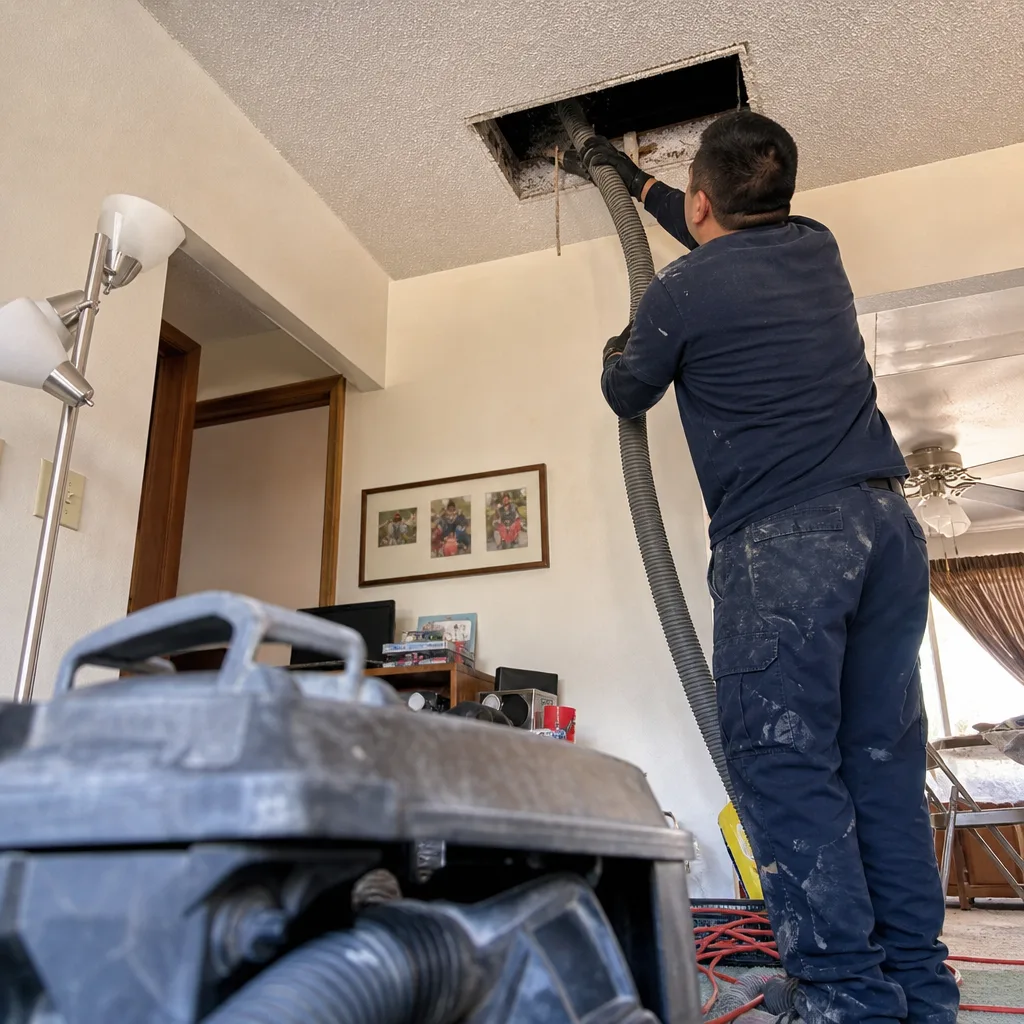 Before
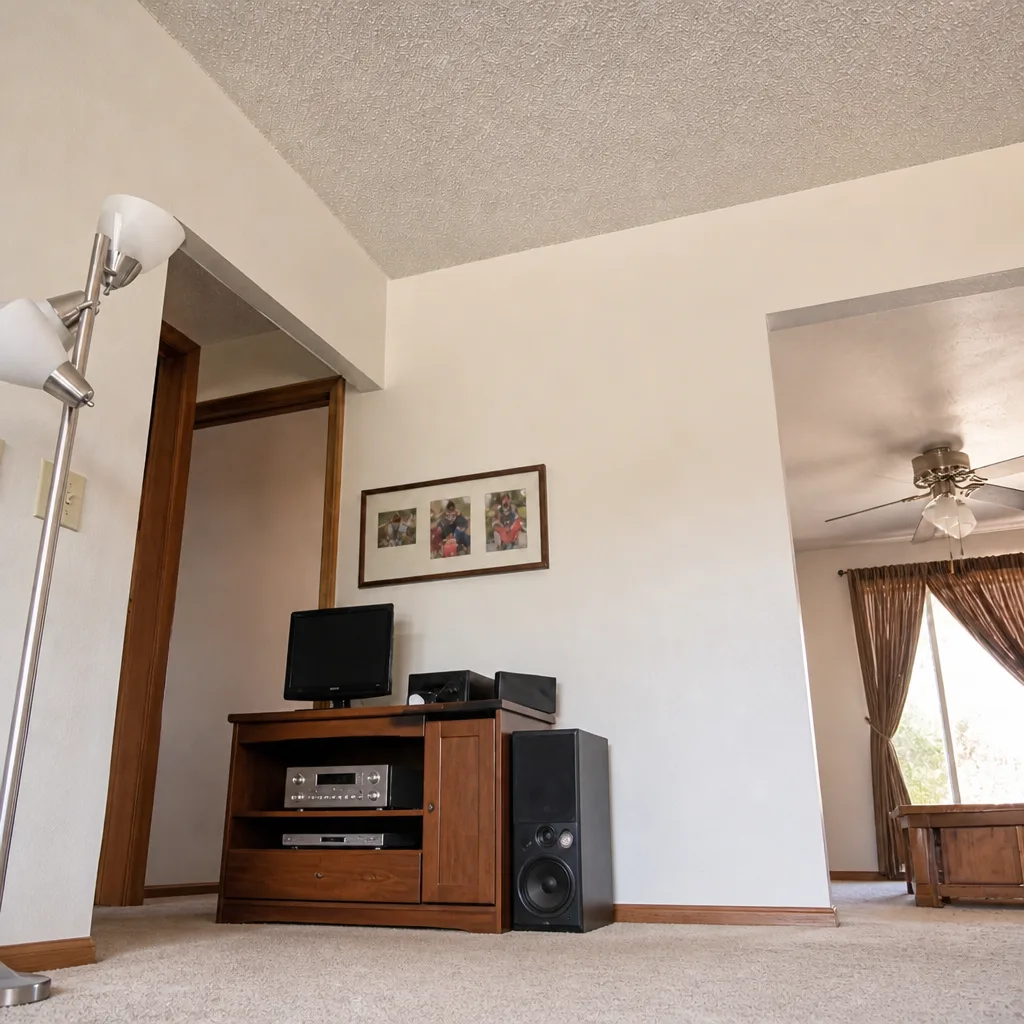 After
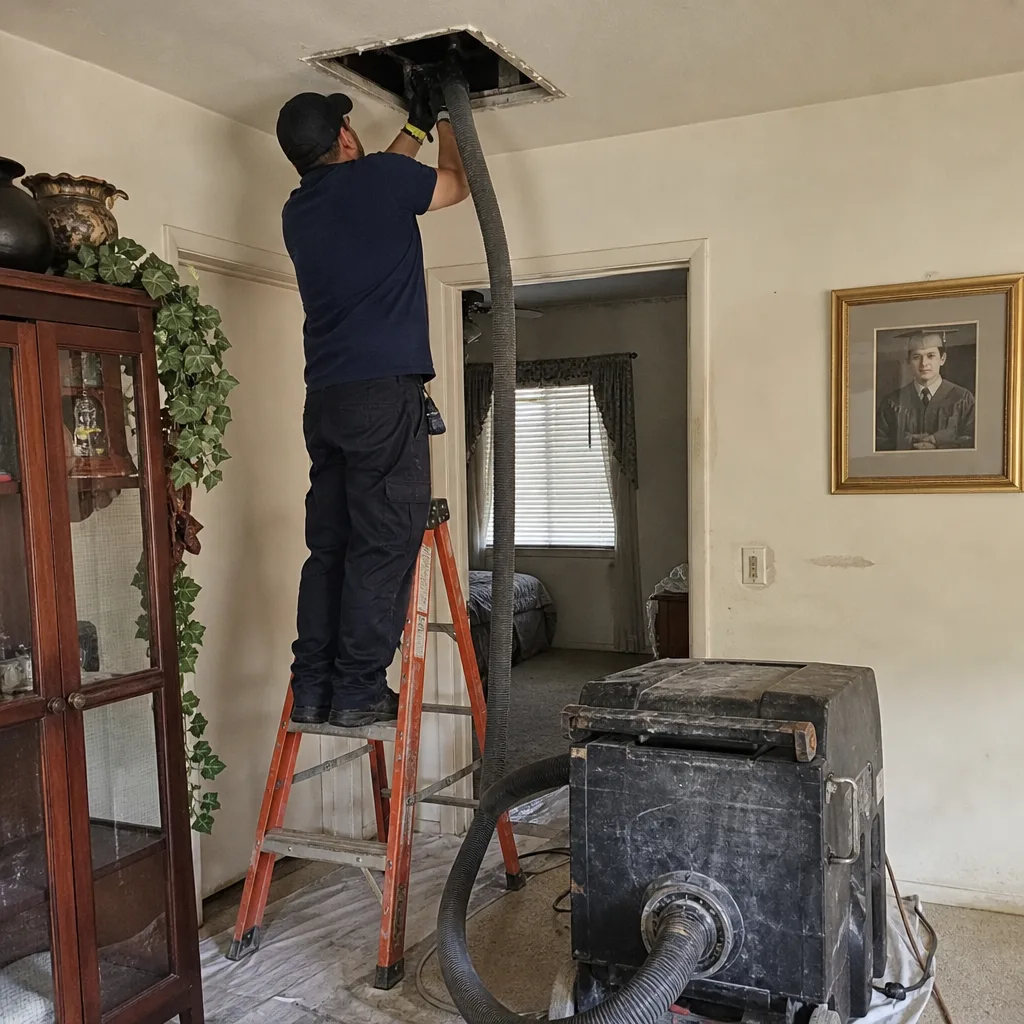 Before
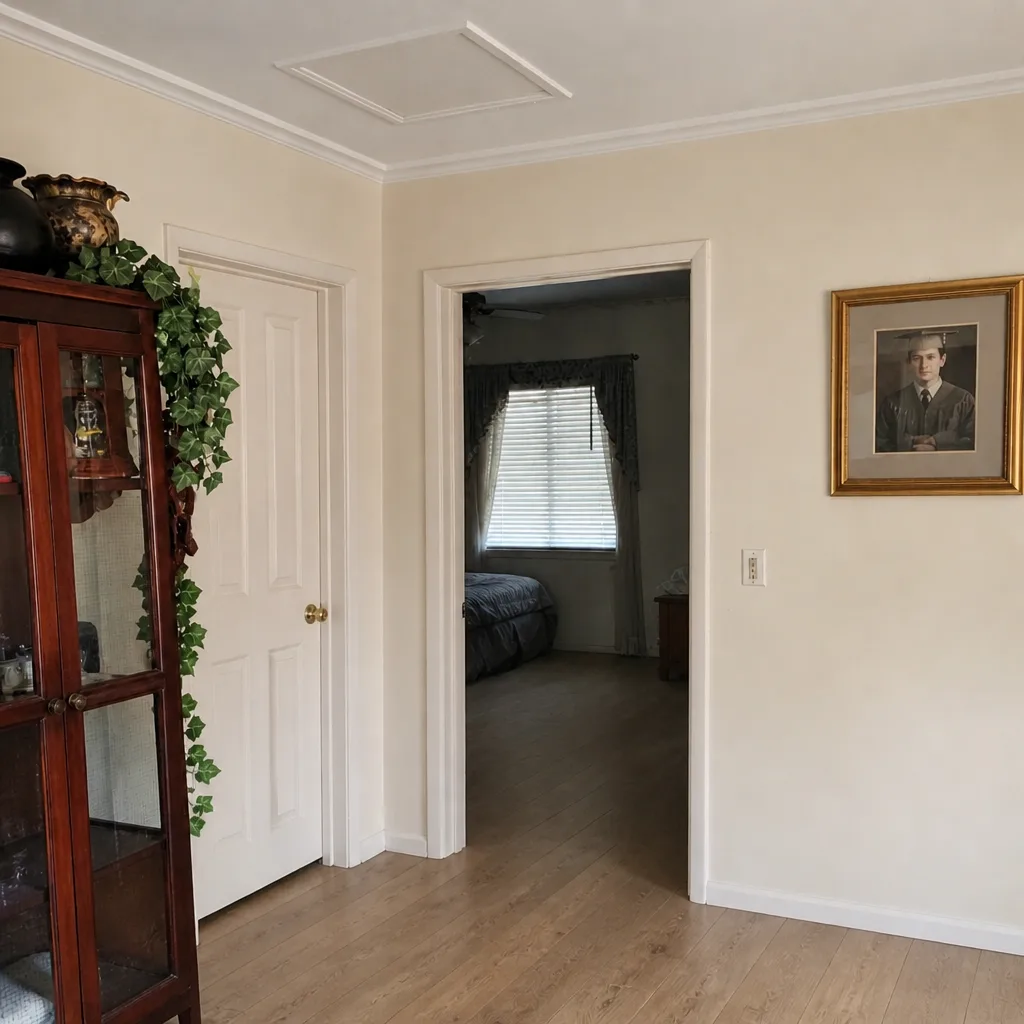 After
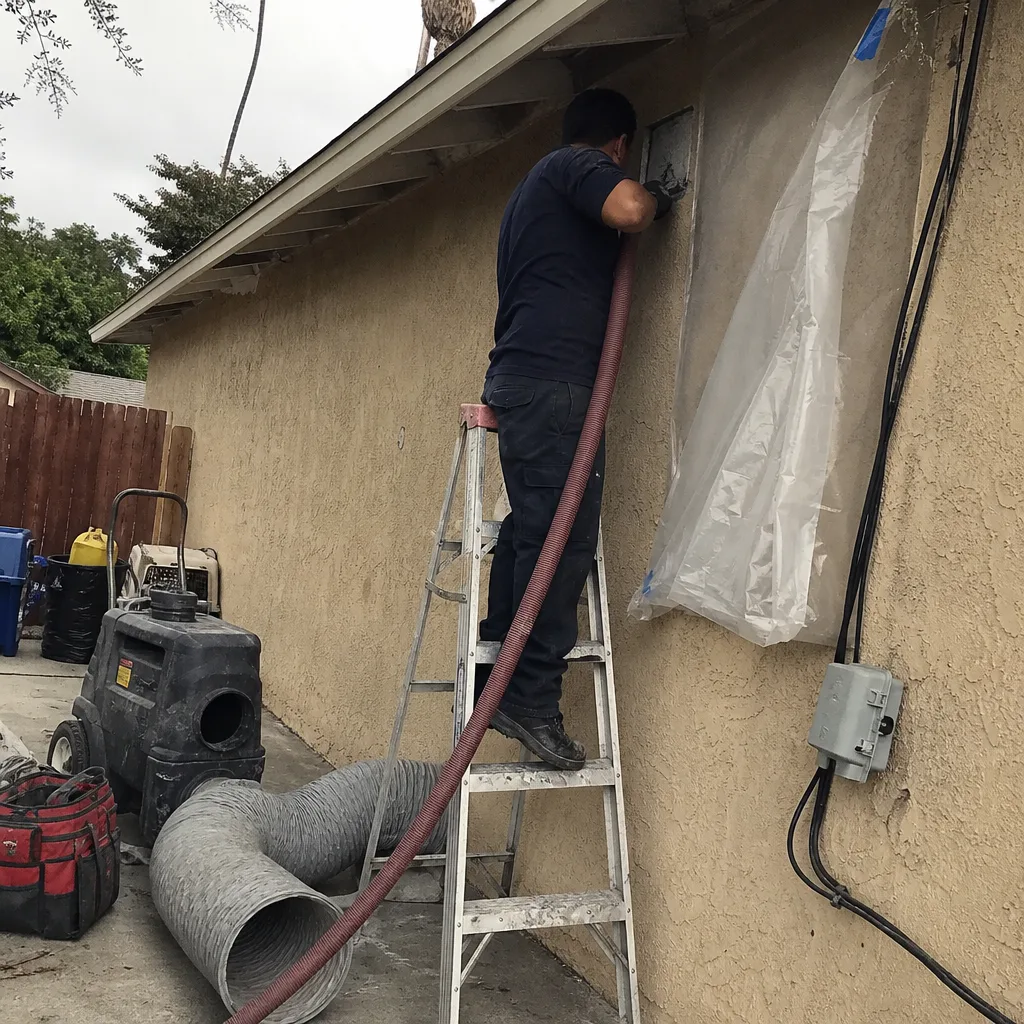 Before
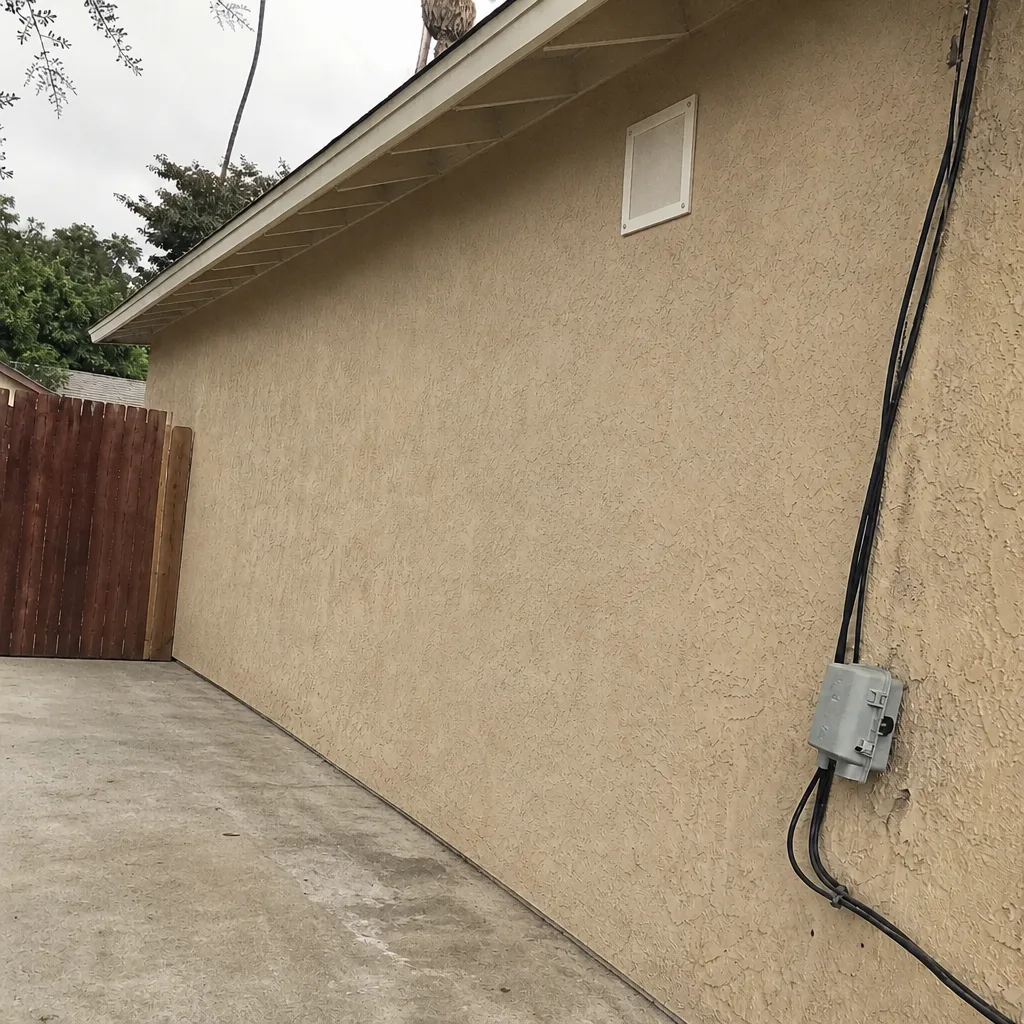 After
When to Call a Professional
Some homeowners call too early, before the system actually needs work. Others wait until something is obviously wrong. The signs that point to a real problem are specific. A musty or dusty smell that gets stronger when the HVAC kicks on. Visible dust plumes at supply registers. A recent renovation that kicked up drywall dust, which settles into every branch run. Unexplained allergy symptoms that are worse inside than outside. A dryer taking longer to dry clothes, which points toward vent cleaning rather than duct cleaning, though it’s often the same visit. And a duct system with obvious gaps or loose joints, which is a repair issue, not just a cleaning one.
If you’re seeing one or more of these, it’s worth getting a professional eyes and camera on the system. La Habra Air Duct Cleaning Pros offers free estimates in La Habra, with one flat price per system agreed before work starts and before-and-after photos of your own ducts. Call (877) 367-5749 to book a walkthrough. The local pro is licensed and insured as their state requires, and the estimate is written, not verbal. There’s no charge for the estimate and no obligation to book.
Frequently Asked Questions
There’s no honest market average because the industry is unlicensed and pricing varies with scope, system size, and whether coil cleaning or sanitizing is included. The right way to compare is per-system, flat-priced, with a written scope. We quote per system and give the price in writing before work starts, so the number you see is the number you pay. Call (877) 367-5749 for an exact quote; estimates are free.
You can rent a consumer vacuum, but you can’t replicate the negative-pressure collection, the brush agitation, or the video inspection that separates a real cleaning from a surface pass. Ductwork sits in attics and crawlspaces and is attached to the HVAC system, and getting it wrong can damage flexible duct or leave debris where it does more harm than good. This is a job for a trained technician with professional equipment. Call (877) 367-5749 for a free estimate.
In an unlicensed trade, a cheap quote is often a teaser designed to get a technician inside your home, where the real price gets negotiated after the crew “finds” a problem. It may also reflect a thinner scope: fewer vents, no trunk lines, no coils, no video inspection. Normalize the scope before comparing price. A $99 quote for two vents and a full-system quote are not the same job. Call (877) 367-5749 for a written quote you can compare line by line.
Video inspection is the proof. A camera run through the ducts before and after cleaning shows the condition in both directions, and you should be able to see the footage and keep a copy. Before-and-after photos of your own ducts are the standard we hold: not stock photos, not a clean register cover, but the interior of your system. Ask every contractor whether that’s included. Call (877) 367-5749 to see how we handle it.
The honest answer is it depends on the system and the household, not a fixed schedule. Homes with pets, recent renovation, allergy sufferers, or a history of moisture in the system often benefit from more frequent attention than a quiet household with clean filters changed on time. If you’re not sure, start with an inspection rather than a cleaning. Call (877) 367-5749 for a free assessment in La Habra.
Sometimes, yes, but only if duct repair and sealing is on their service menu. Cleaning alone doesn’t seal leaks, and leaks are what pull dust back into a clean system. Ask at the quote stage whether sealing is offered as a service and whether a leak inspection is part of the walkthrough. We include duct repair and sealing as a core service, so leaks found during cleaning can be addressed properly. Call (877) 367-5749 for details.
The Bottom Line
California doesn’t license air duct cleaning, so your vetting is the whole safety net. Three documents (general liability insurance, a workers’ comp certificate, NADCA membership or equivalent) tell you whether a contractor is set up to do this work safely. A written, line-item quote tells you what’s included and what the add-on prices are. Equipment questions (vacuum capacity, brush type, video inspection) tell you whether the work will actually be done and proven. A structured walkthrough gives you a documented baseline. And one flat price per system, agreed before work starts, removes the bait-and-switch incentive that makes the lowest bid a warning rather than a bargain. In La Habra, start with the checklist and call (877) 367-5749 for a free estimate.
Written by the team at La Habra Air Duct Cleaning Pros.