
Last updated November 23, 2026
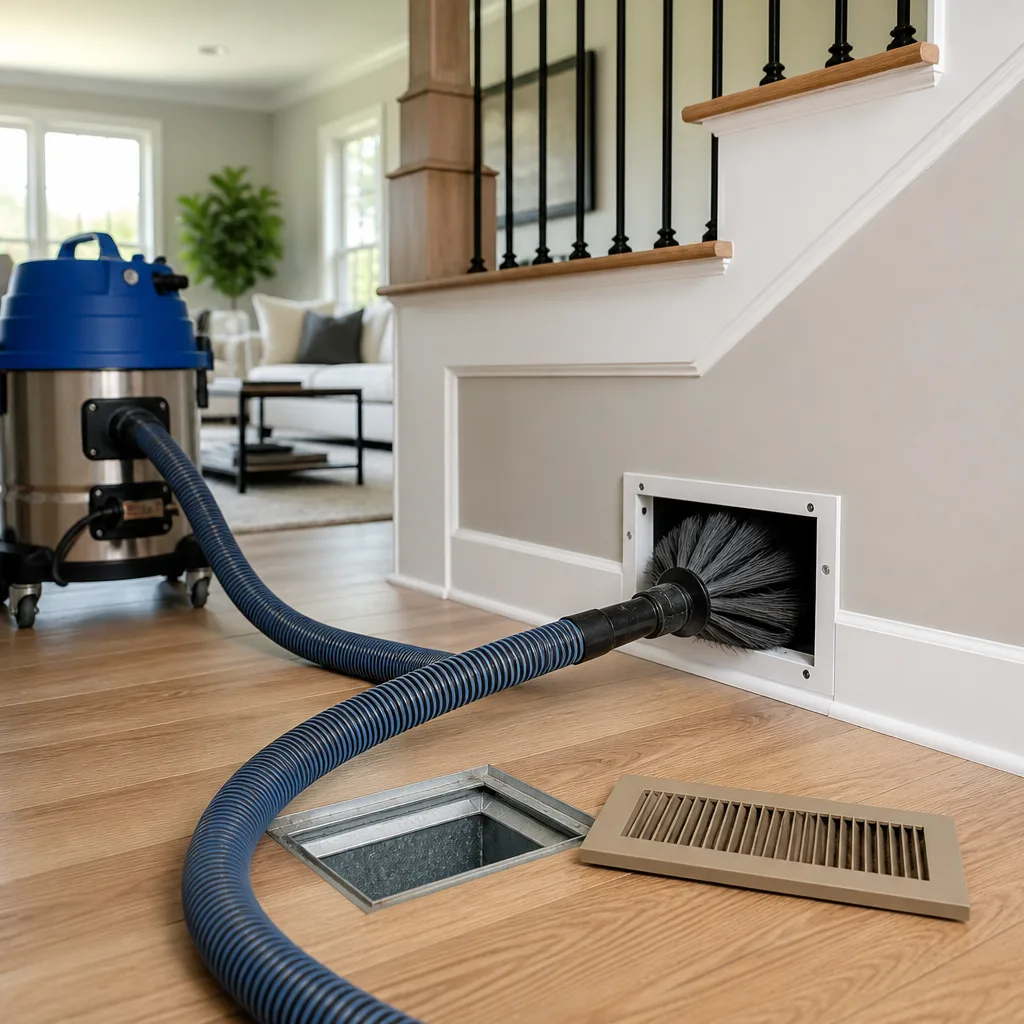 Whole-home duct cleaning
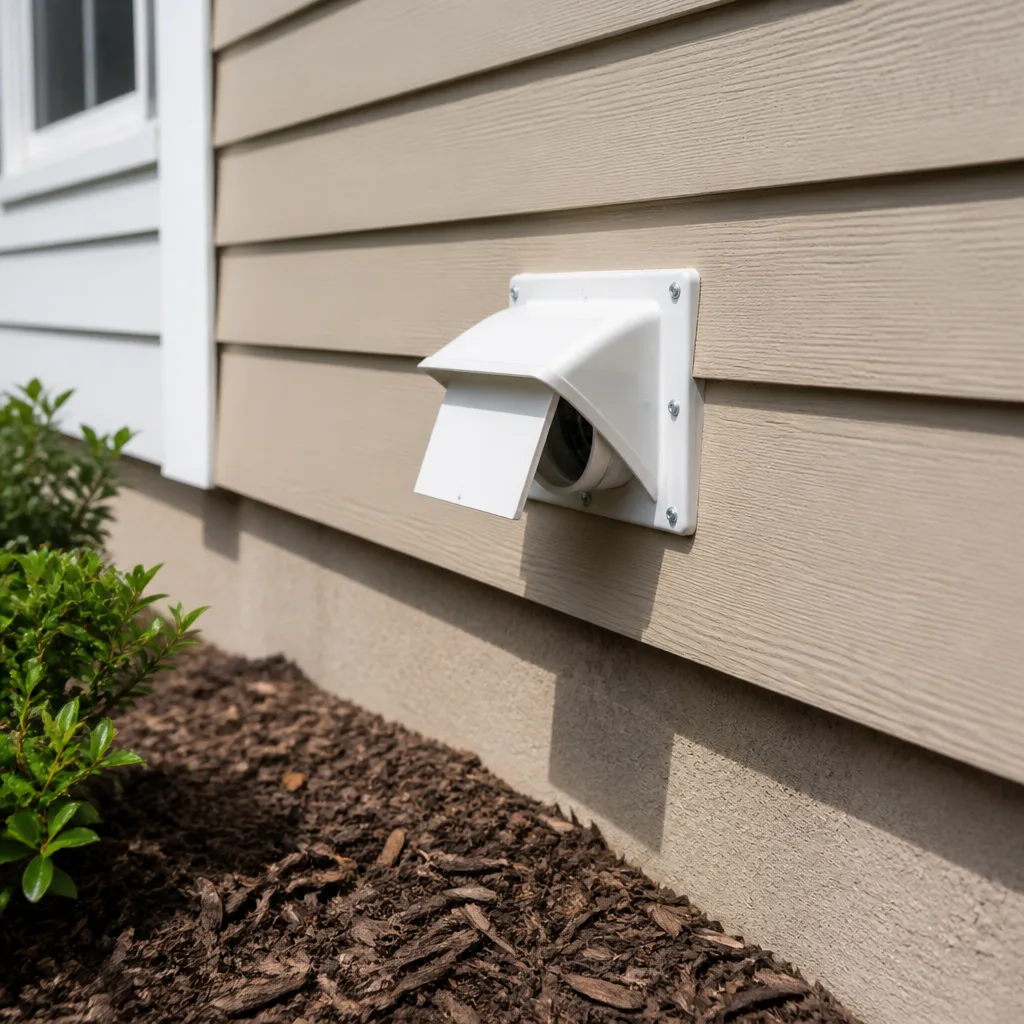 Dryer vent cleaning
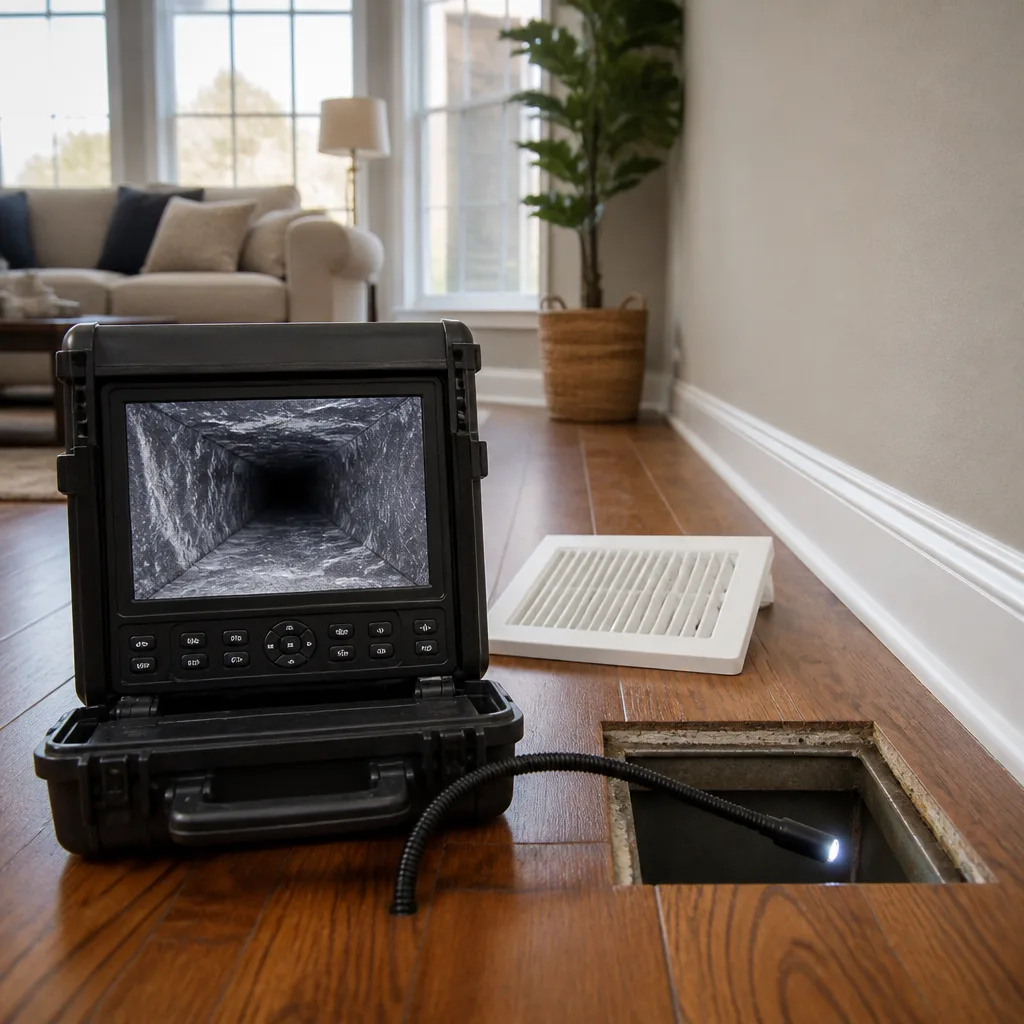 Camera inspection
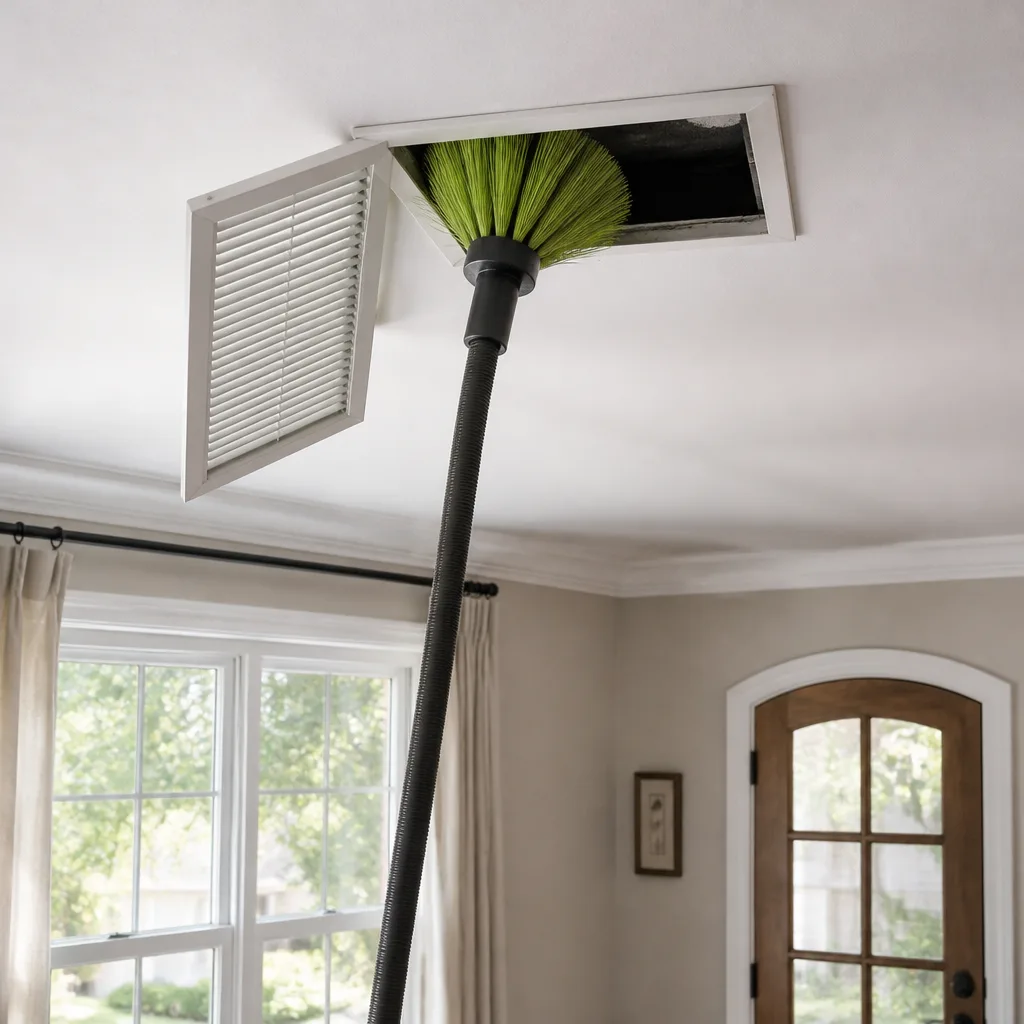 Sanitizing & deodorizing
Whole-system duct and dryer vent check with before-and-after photos - you see exactly what came out of your vents
That "$99 whole-house special" is a bait ad - the real number appears once they are in your hallway, or the "clean" is a shop-vac at the register. We photograph the inside of your ducts before and after instead.
Seasonal Air Duct Cleaning Care for La Habra: Year-Round Homeowner’s Guide
Most homeowners treat duct cleaning as a once-a-decade chore, something to schedule when the vents look grimy or a bill spikes. In La Habra, that approach misses the point. This city sits between the Puente Hills foothills and the Orange County flatlands, and its air changes character several times a year. Santa Ana winds push foothill dust through the valleys. Spring pollen loads the return side. Summer wildfire smoke drifts in from well beyond the county line. Winter brings a dormant gas furnace back to life. Each season attacks your duct system differently, and each one calls for a different response. This guide maps the La Habra air year, month by month, so you know what’s actually happening inside your ducts and what to do about it. By the end, you’ll understand why timing matters as much as the cleaning itself.
Quick Answer
Seasonal air duct cleaning in La Habra works best when it follows the local air calendar: upgrade and seal your filtration before Santa Ana wind season in fall, check your heat exchanger and supply plenum before winter furnace startup, assess return-duct pollen buildup in spring, and run a smoke-infiltration protocol in summer. A full mechanical cleaning roughly every three to five years, timed to the season that stresses your home most, keeps your system healthier than a fixed annual date.
Styles & brands we work with
- Whole-home duct cleaning
- Dryer vent cleaning
- Camera inspection
- Sanitizing & deodorizing
Table of Contents
- Why Seasonal Timing Matters in La Habra
- Fall (October-November): Pre-Santa Ana Preparation
- Winter (December-February): Furnace Startup and Heat Exchanger Checks
- Spring (March-May): Pollen and Return-Duct Load
- Summer (June-September): Wildfire Smoke Protocol
- Year-Round: How La Habra’s Low Humidity Changes Duct Dust
- A Year-Round Care Calendar for La Habra Homes
- Common Mistakes to Avoid
- When to Call a Professional
Why Seasonal Timing Matters in La Habra
La Habra doesn’t get the dramatic weather swings that drive duct maintenance in colder or more humid parts of the country. You won’t see a winter that freezes pipes or a summer that soaks the subfloor. What La Habra does have is a set of predictable air-quality events, each of which loads the duct system in a different way. Treating them all the same wastes money and leaves real problems unaddressed.
Think about how your HVAC system actually moves air. A typical setup pulls return air from the living space, runs it through a filter and a coil, then pushes conditioned air back into the rooms. Every hour the system runs, it’s exchanging air between your home and the duct network. When outdoor air quality degrades, the filter is doing more work. When the filter loads up, the blower works harder. When the blower works harder, small duct leaks matter more because pressure differentials pull unconditioned, unfiltered air in through gaps at joints and boots.
In our experience across La Habra homes, the seasonal calendar looks like this:
- Fall: Wind-driven dust and pre-winter filtration upgrades
- Winter: Dormant furnace restart and safety inspection
- Spring: Pollen accumulation on the return side
- Summer: Wildfire smoke management and system strategy
- All year: Low humidity changing how dust behaves in ducts
Each season below gets its own section, with specific actions. We use professional-grade Rotobrush and Nikro equipment on the cleaning side and Abatement Technologies negative-air gear when a job needs containment. If you want to see how the full-service picture fits together, start with our La Habra Air Duct Cleaning Pros homepage.
Fall (October-November): Pre-Santa Ana Preparation
October and November are the months to get your duct system ready before Santa Ana wind season peaks. These dry, gusty winds come over the hills and pick up loose soil, dust, and debris from the foothills and burn scars, then drive it down into the valleys. During a strong wind event, airborne particulate levels can climb sharply within a few hours. Every time your HVAC system runs during that window, it’s pulling that particulate directly into the ducts.
What to do before the winds arrive
- Upgrade your filter, but don’t over-filter. A MERV 11 to MERV 13 filter is a reasonable target for La Habra homes facing foothill dust. Going higher can restrict airflow in a standard residential system, which strains the blower and can ice the coil. If you have a high-efficiency or variable-speed system, check the manufacturer’s maximum MERV before swapping anything in.
- Check filter fit and seal. A good filter that doesn’t seat properly lets dust bypass around the edges. Look at the filter slot for visible gaps. Foam gasket tape is a cheap fix.
- Inspect accessible return grilles. Lift a couple of return grilles and look at the dust film on the inside of the opening. Heavy buildup going into the wind season means the system is already loaded.
- Look for obvious duct leaks. In attics and crawlspaces, tape and mastic joints often fail. A leak on the return side pulls attic or crawl air straight into the system.
- Schedule a cleaning if it’s due. If you’re on a three-to-five-year cadence, fall is a good slot for many homes because it resets the system before the dustiest weeks.
Homes in the neighborhoods closest to the foothills, roughly the areas on the north side of Lambert Road heading up toward the hills, see more wind-driven dust than homes nearer Beach Boulevard. If you’re high on a slope with a long west-facing wall of windows, expect heavier filter loading every fall. Plan to check the filter monthly from October through December, not quarterly.
If your ducts are visibly dirty heading into fall, a proper mechanical cleaning with a rotary brush and HEPA vacuum setup makes the filter upgrade more effective. Our air duct cleaning service covers supply and return sides, boot openings, and the main trunk.
Winter (December-February): Furnace Startup and Heat Exchanger Checks
La Habra’s mild winters mean many homes don’t run the furnace at all through most of the year, then switch it on for the first time in December. That first startup matters more than homeowners usually realize. A gas furnace that’s sat dormant for months needs a visual inspection before you trust it to run full cycles.
Why the startup check matters
The two areas that concern us most are the heat exchanger and the supply plenum. The heat exchanger is the metal component that separates combustion gases from the air being delivered to your rooms. Over time, metal can crack or degrade at seams. A crack means combustion byproducts, including carbon monoxide, can mix with the supply air. The supply plenum is the box or transition that takes the furnace’s hot discharge and routes it into the main trunk. Loose seams, degraded connections, and gaps at the plenum are common, and they get worse when the metal expands and contracts through a heating season.
We don’t think homeowners should open the furnace cabinet themselves. Gas combustion and electrical controls aren’t a DIY area. Instead, treat the first run as a reason to have the system checked by a trained technician. A visual inspection of the heat exchanger and plenum, along with a look at the burners, is routine work for someone qualified to do it safely.
What to check as a homeowner
- Look at the filter before the first run and replace it if it’s loaded. A clogged filter on a heating cycle can overheat the exchanger.
- Walk the rooms and check that all supply vents are open and return grilles aren’t blocked by furniture.
- Notice any musty or burnt smells on first startup. A burnt smell on a genuinely first-of-season heating cycle can be normal dust burning off, but a persistent smell is worth a call.
- Make sure carbon monoxide alarms are working. Any home with gas appliances should have them.
Duct cleaning and HVAC cleaning fit naturally with winter servicing. When the furnace cabinet opens, we can reach the coil and plenum areas a standard vent-and-vacuum can’t. Our HVAC cleaning service covers those components.
Spring (March-May): Pollen and Return-Duct Load
Spring in La Habra brings pollen from the trees and grasses on the hillsides and in the neighborhoods, and much of that pollen ends up on the return side of the duct system. The return side is the half most homeowners never see. It collects what the living space draws in. Over a pollen season, the return ducts can build up a visible film that the supplies don’t show.
How to tell if a cleaning is warranted based on symptoms
The best signal isn’t the calendar; it’s the people in the house. If you notice any of the following patterns, a duct assessment is worth scheduling:
- Symptoms that improve when away from home. Allergy symptoms that ease during a workday or a trip and flare when back at the house point to indoor triggers.
- Morning congestion. Waking with congestion that clears within a couple hours suggests overnight exposure, often from bedroom ducts.
- Visible dust trails from supply vents. If the wall or ceiling around a supply grille has a dust streak moving outward, the system is pushing particulate into the room.
- Return grille film. Shine a light into the return opening. A dull film is normal; visible clumping or matted dust is worth a look.
- Family-wide pattern. One person reacting could be anything. Two or more pointing to the same symptoms suggests the system, not the individual.
When a cleaning is not the answer
Spring pollen is a moving target. If the ducts were cleaned two years ago and the filters are being changed regularly, a light pollen season may not require a full service. The honest answer is that cleaning helps most when the system has actual visible accumulation. A technician with a camera can look inside the trunk and tell you whether it’s there.
One spring-specific pattern we’ve seen in La Habra: the return plenum in older homes near the downtown core often has more accumulation than the supplies. That’s because returns draw from more rooms in those layouts.
Summer (June-September): Wildfire Smoke Protocol
Wildfire smoke from well outside Orange County can reach La Habra on summer winds and sit over the basin for days. When that happens, what you do with your HVAC system matters a lot. Running it the wrong way can spread smoke particles deeper into the duct network instead of keeping them out.
When to run the system, and when not to
- Close the house up first. Shut windows and doors. Any open window defeats the point of anything else you do.
- Run the HVAC on recirculate or fan-only if your thermostat supports it. Recirculation keeps indoor air moving through the filter without drawing a heavy volume of outdoor air in.
- Use the highest MERV filter your system is rated for. During a smoke event, a MERV 13 filter captures more fine particulate than a standard MERV 8, but only if the system was designed for it.
- Skip bathroom and kitchen exhaust fans unless you need them. Exhaust fans pull air out of the house, and if the house is sealed up, that pulls outdoor air in through gaps.
- Don’t run a whole-house fan. If you have one, it’s the wrong tool during a smoke event; it’s designed to push air through, not filter it.
The trickier question is whether smoke that already worked its way into the ducts is now cycling back into the house every time the system runs. Smoke odor that lingers after the external air has cleared, or a persistent haze in the air near supply vents, suggests the duct network is holding particulate. In those cases, a proper mechanical cleaning with HEPA vacuum equipment, followed by a surface sanitizing treatment, is the right response. Our teams use Abatement Technologies negative-air equipment on jobs where containment is important, so smoke and dust don’t migrate to the rest of the house during the work.
Our dryer vent cleaning service also matters in summer. Dryer vents pull outdoor air in many installations, and smoke-adjacent debris in the vent run is worth addressing.
Note: the free estimate is the right way to sort through this. We can walk the system and tell you whether cleaning plus sanitizing or just a filter and patience is the answer.
Year-Round: How La Habra’s Low Humidity Changes Duct Dust
La Habra sits inland enough that its typical relative humidity runs lower than what a coastal Los Angeles city sees, especially through the summer and fall. That single fact changes how dust behaves inside ducts and, by extension, how often cleaning actually pays off.
In higher-humidity environments, dust tends to clump and stick. It builds up on duct walls in thicker, more visible layers, and it tends to stay where it lands. In a lower-humidity environment, dust stays drier, which makes it more prone to resuspension. Fine particles that settle on the duct floor can lift back into the airstream when the blower ramps up. That means a La Habra system can look less dirty than a coastal system while actually releasing more particulate into the room air.
What this changes in practice:
- Visual inspections are less reliable. A duct that looks fine from the grille may still be shedding fine dust when the system runs.
- Filter loading and change frequency matter more. A dry dust load moves more easily, so filters fill faster during windy or pollen-heavy windows.
- Duct sealing pays off. Dry, dusty air migrating in through a small leak is worse than moist air doing the same, because it doesn’t clump.
- Cleaning frequency is not the same as coastal LA. A home two miles from the beach and a home in La Habra can reasonably be on different cadences.
The other consequence of low humidity is static. Dust attaching to flexible duct liners and plastic boots is more common here, which lifts the value of a mechanical brush-based cleaning over a simple vacuum pass. Rotobrush and Nikro equipment uses rotating brushes that agitate the duct walls, which is the right approach for sticking dust.
Our Duct Repair & Sealing service supports all of this. We find what’s wrong and fix it. Sealing the leaks protects the cleaning investment.
A Year-Round Care Calendar for La Habra Homes
Here’s the condensed version. Use this as a planning tool rather than a rigid schedule; your home’s individual loading will vary depending on how close it is to the foothills, how well the system is sealed, and how many people and pets live there. Our technicians have up to 10 years of experience, and the calendar below reflects the patterns they see most often.
- September: Replace filter with the highest MERV your system supports. Check return grilles for a dust film. Note any leaks near vents.
- October: Schedule a full-system cleaning if it’s been three to five years, or if visible accumulation is present. Check filter again before the first Santa Ana event.
- November: Inspect filter mid-month; windy-season loading can be fast. Recheck any attic or crawlspace duct joints for separation.
- December: Before the first furnace run, have a technician inspect the heat exchanger and supply plenum. Confirm carbon monoxide alarms are functional.
- January-February: Monthly filter check. Note any musty or unusual odors originating from vents.
- March: Spring pollen begins loading the return side. Watch household allergy patterns rather than the calendar.
- April-May: If symptoms map to the house, schedule an inspection with a camera. If they don’t, hold off.
- June: Prep for wildfire season. Verify filter rating, confirm the thermostat has a fan-on or recirculate option, and note how to shut down whole-house fans if you have one.
- July-August: During smoke events, follow the recirculation and filtration steps above. If odor lingers after the event, consider a cleaning plus sanitizing.
Guardsman-grade surface and sanitizing protocols apply to any of the sanitizing work we do, along with Aprilaire and Honeywell air quality products for longer-term improvement after cleaning.
Common Mistakes to Avoid
- Cleaning on a fixed calendar instead of on conditions. A home near the foothills that opens windows often needs attention on a different schedule than one near Imperial Highway that runs the system year-round. Let visible accumulation and household symptoms drive the timing, not a habit of “every five years in April.”
- Overshooting on filter MERV. Buying the most restrictive filter available because it sounds like better filtration is a common La Habra mistake. A MERV 16 in a system designed for MERV 11 will cut airflow and stress the blower. Match the filter to the equipment’s spec sheet.
- Ignoring the return side. Homeowners watch the supply vents because those are visible. The return side is where most pollen and dust accumulates in La Habra homes during the spring window. Ask specifically whether return ducts are being cleaned.
- Skipping the heat exchanger check on the winter restart. A visual inspection of the exchanger and supply plenum costs comparatively little compared to a downstream repair. Don’t run the system into full cycles without a look at these components.
- Running a whole-house fan during a smoke event. Whole-house fans exchange indoor air for outdoor air. During a wildfire smoke event in La Habra, that’s the exact opposite of what you want.
- Vacuuming without addressing leaks. Cleaning a leaky duct system cleans the ducts for about as long as it takes for the leakage to pull in new dust. Sealing the system extends the clean.
- Trusting a grille-only service as a full cleaning. A vacuum pointed at a floor grille reaches the boot but not the trunk. A proper cleaning reaches the full system; if the quote doesn’t mention trunk, return, and main plenum, it’s not the same job.
When to Call a Professional
Some seasonal checks are homeowner work: swapping filters, closing windows, opening vents. The calls below are worth making to a professional because they involve equipment, safety, or access you can’t easily reach.
Call a professional when: you see visible dust trails coming from supply vents; household allergy symptoms track with time inside the house; smoke odor lingers in the home days after an outdoor event has cleared; the furnace hasn’t been checked since it was last run and you’re starting it for the season; visible duct leaks or disconnected joints show up in attic or crawlspace; or you’re moving into a home in La Habra and don’t know the duct history. La Habra Air Duct Cleaning Pros offers free estimates in La Habra. Call (877) 367-5749. We answer 24/7. Fast dispatch from 7am to 7pm, Sunday through Friday.
See the difference
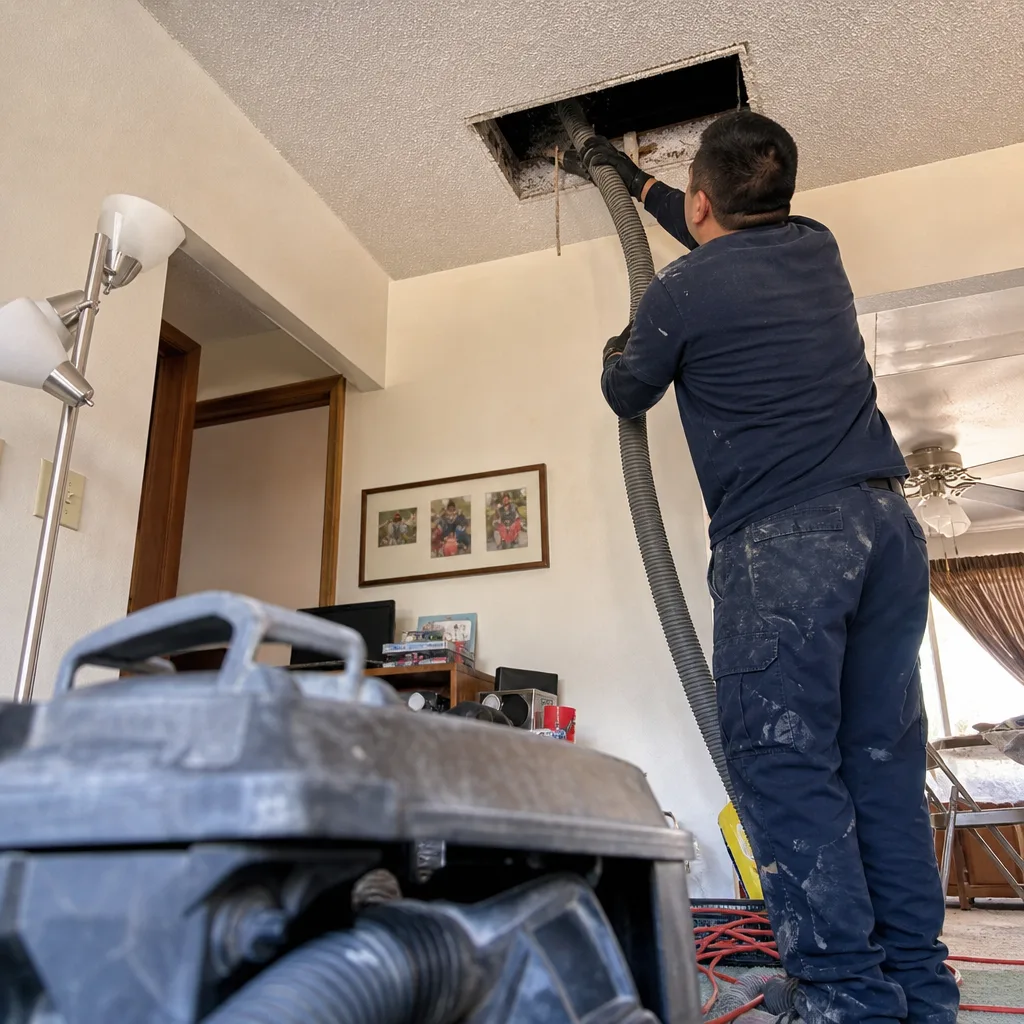 Before
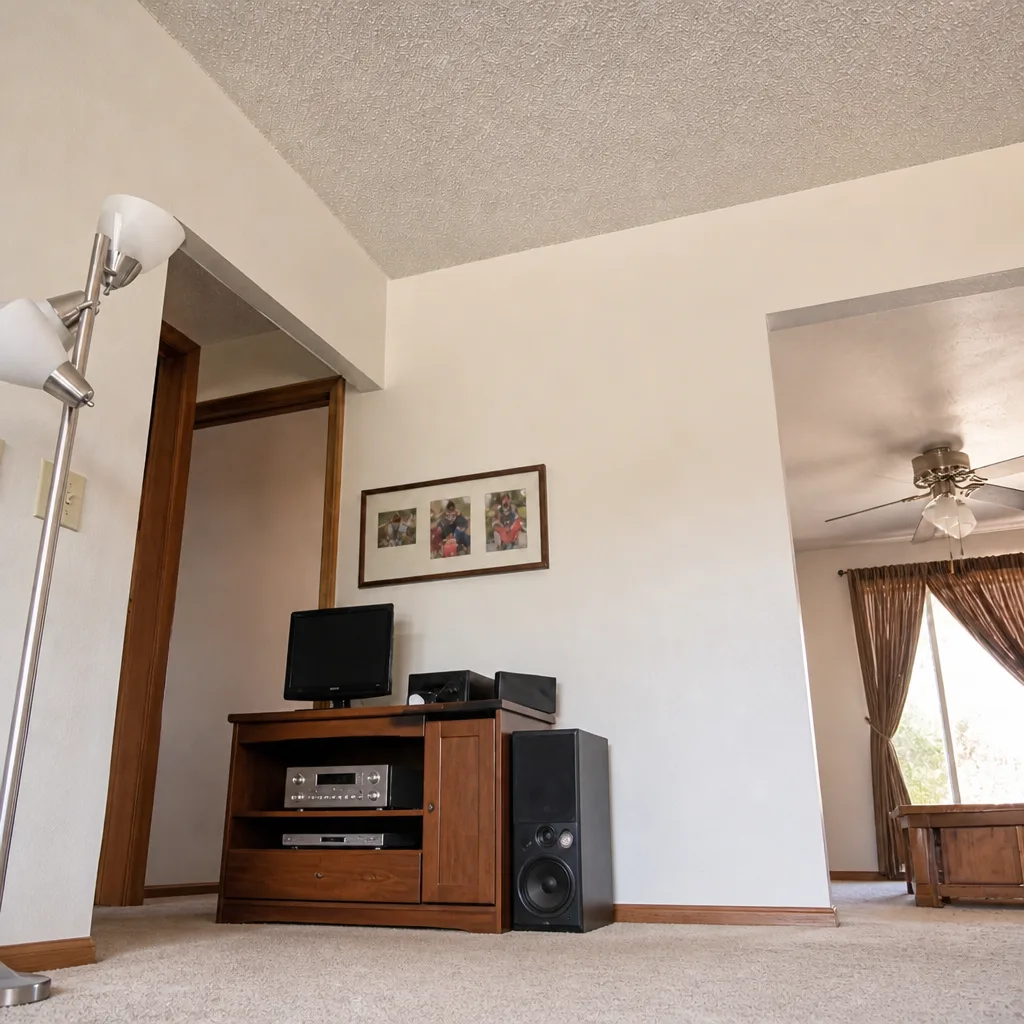 After
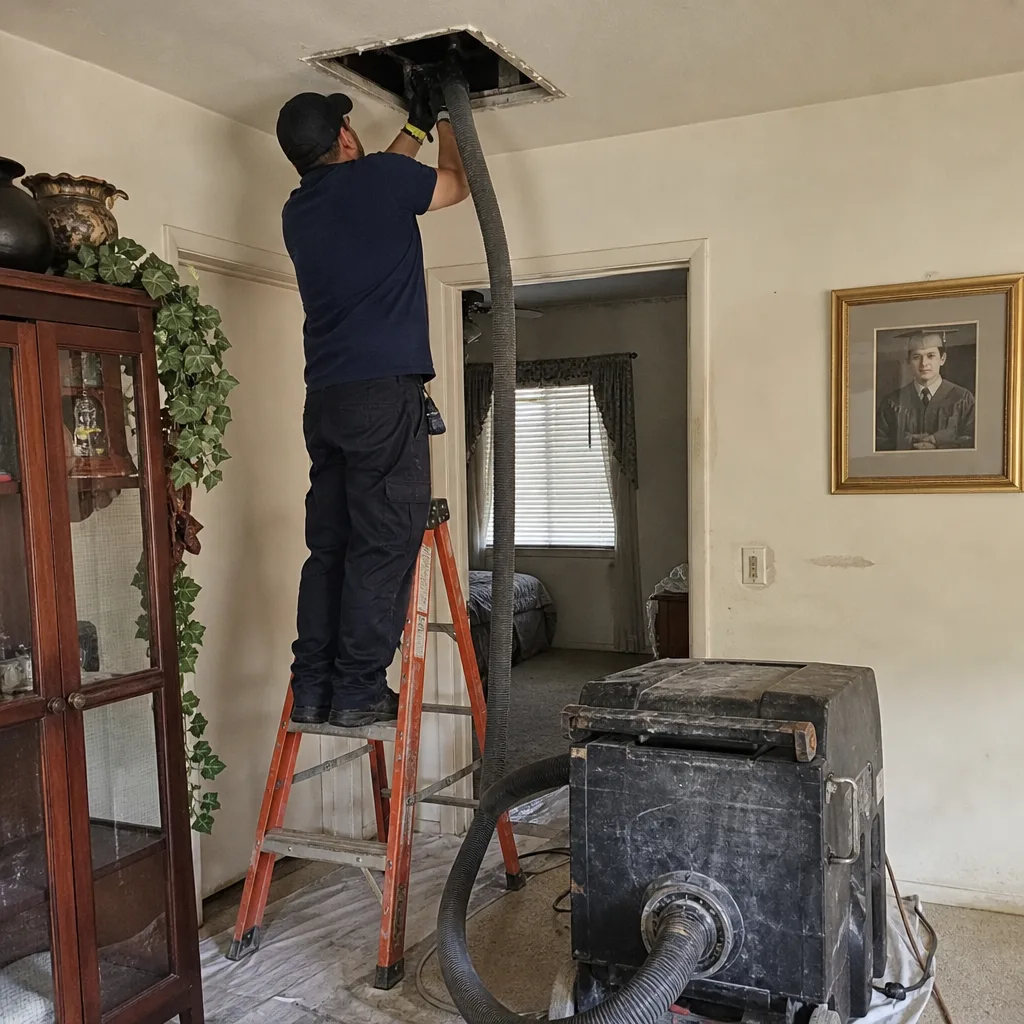 Before
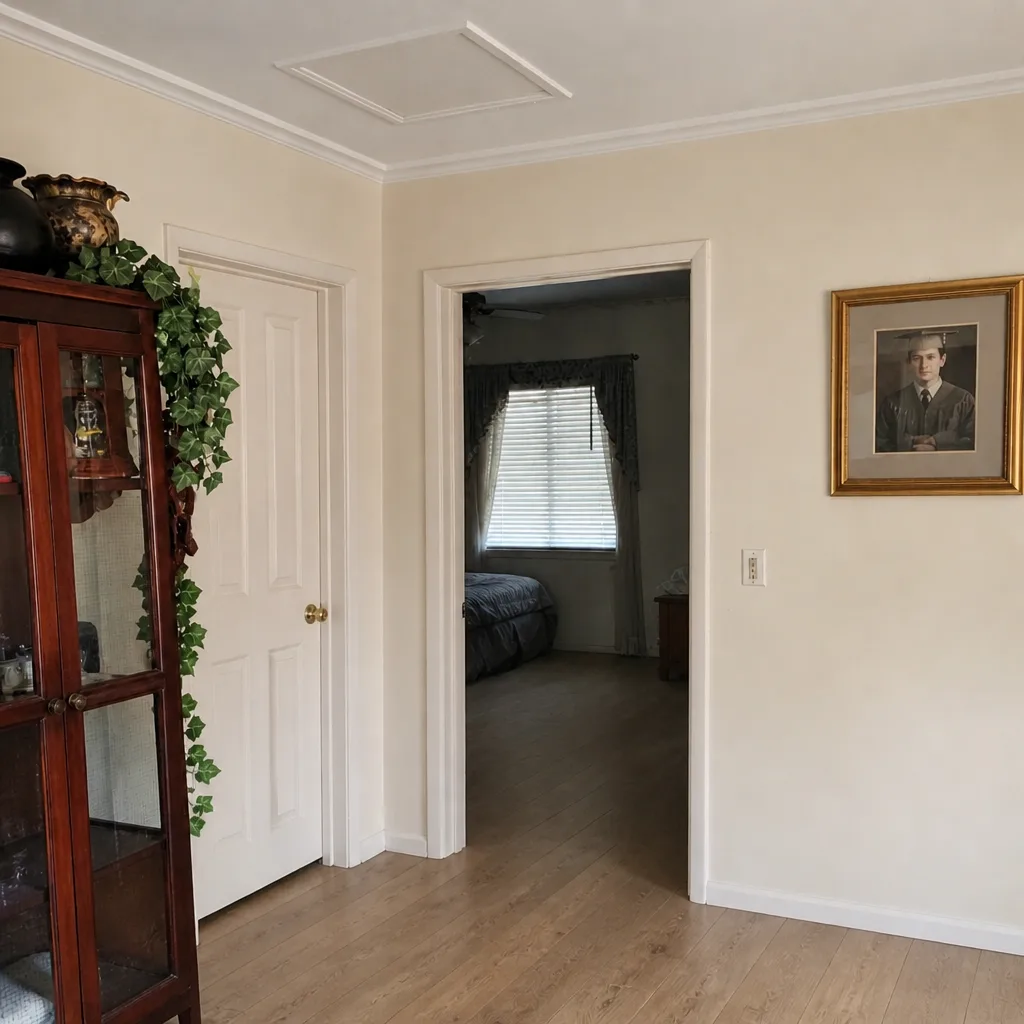 After
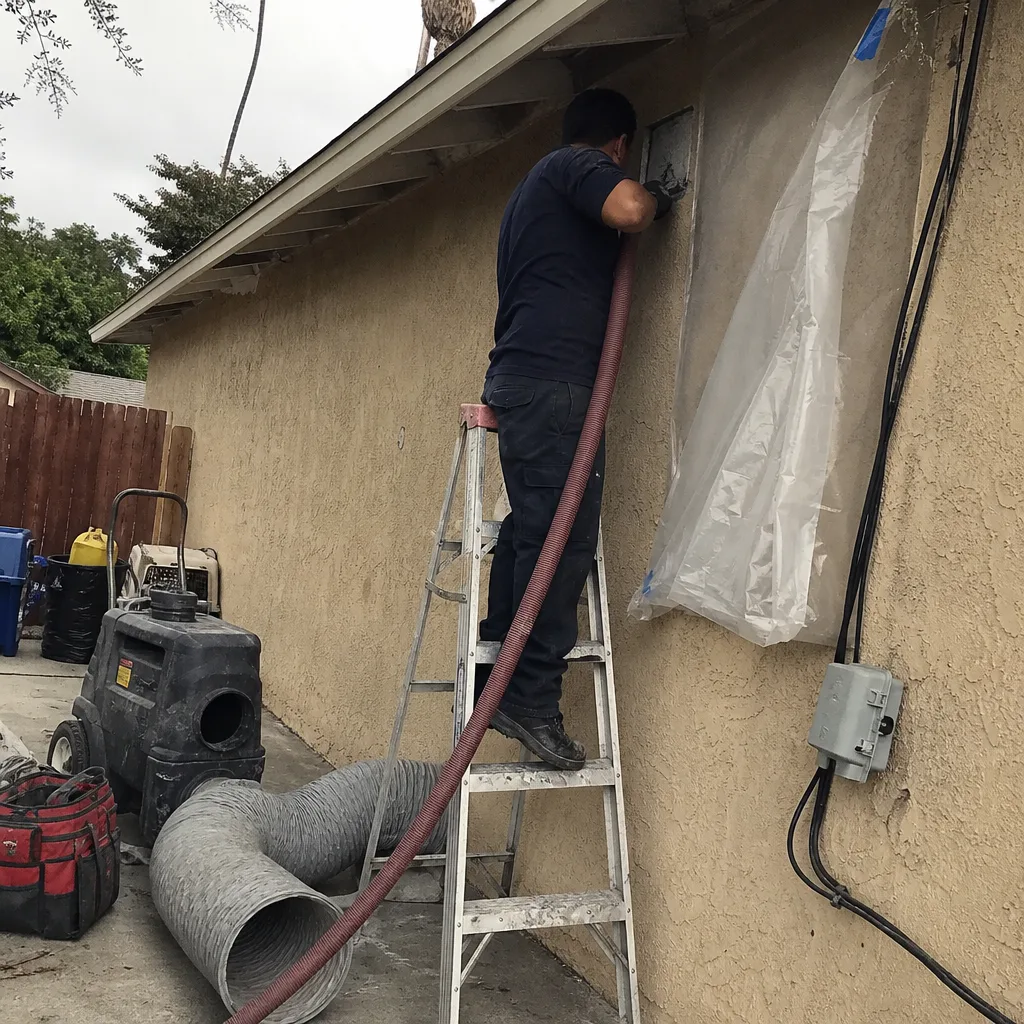 Before
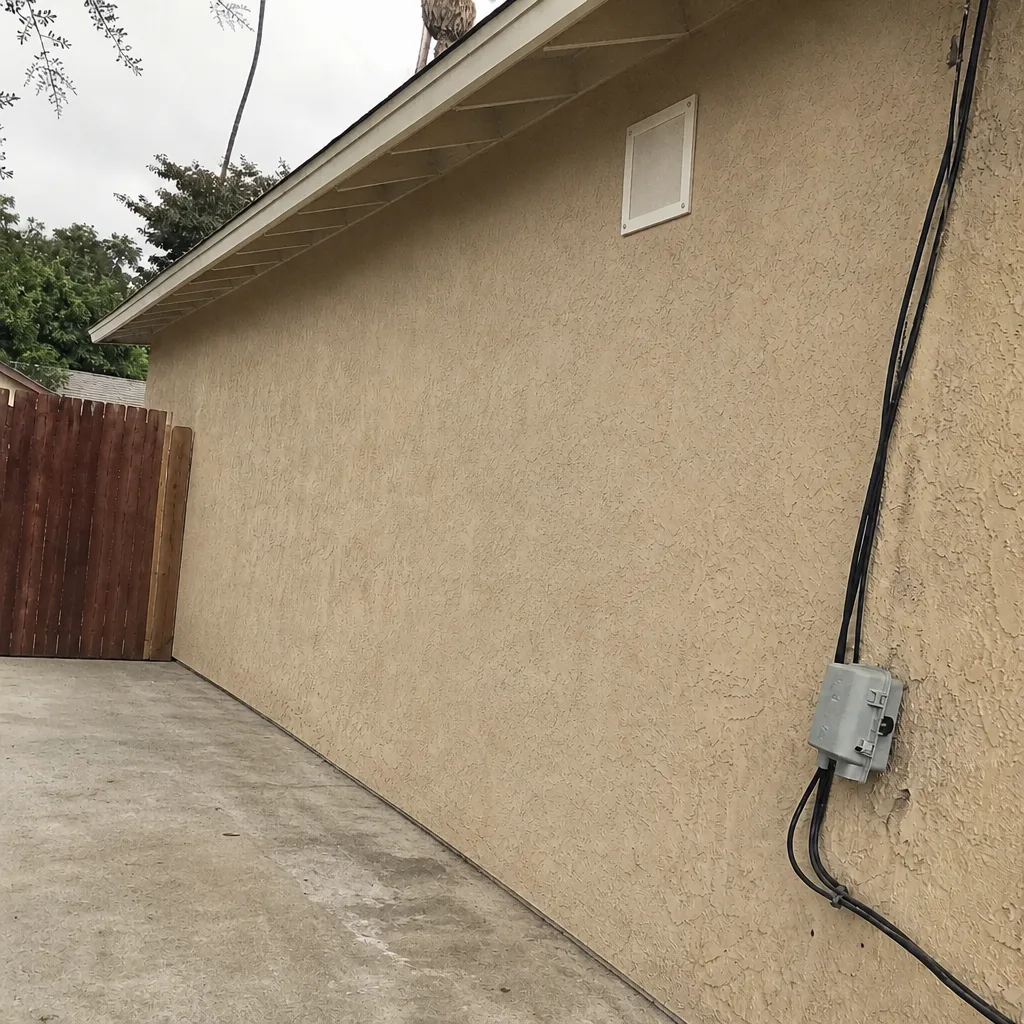 After
Frequently Asked Questions
Most La Habra homes do well on a three-to-five-year cycle, but the right frequency depends on how close you are to the foothills, how often you run the HVAC, and whether household symptoms call for attention sooner. Homes near the Santa Ana wind corridor that draw heavy foothill dust often need less time between cleanings than homes on the flat side of town. A visible accumulation check with a camera is the honest way to answer the question for your specific house. Call (877) 367-5749 for a free estimate if you’re not sure. We answer 24/7.
Yes, with three caveats: close the house up first, run on recirculate or fan-only if your thermostat supports it, and use the highest MERV filter your system is rated for. Don’t run a whole-house fan, and minimize exhaust fan use. If the ducts are already holding smoke particulate, running the system will push it back into the room; in that case a cleaning with sanitizing is the right response.
MERV 11 to MERV 13 is the typical range for La Habra homes facing foothill dust and seasonal smoke events. Anything higher can restrict airflow in a standard residential system. Check the manufacturer’s maximum rating before you buy; if your system’s spec sheet says MERV 11, don’t install MERV 16. The most effective filter is the one the blower can actually handle.
Spring pollen from La Habra trees and grasses typically accumulates on the return side of the duct system, and from there it re-enters room air. If your symptoms improve when you’re out of the house and flare within an hour or two of returning, the indoor system is a likely contributor. A duct inspection with a camera can confirm whether accumulation is present. Call (877) 367-5749 for a free estimate if you want a professional opinion.
Yes. A dormant gas furnace needs a visual inspection of the heat exchanger and supply plenum before the first season of full-cycle running. The heat exchanger separates combustion gases from the air your rooms receive, and the plenum is where hot air transitions into the trunk. A crack in the exchanger or a gap at the plenum lets combustion byproducts into your supply air, which is a real safety issue. This is not something to check yourself; gas and electrical components are for trained technicians. La Habra Air Duct Cleaning Pros offers free estimates in La Habra. Call (877) 367-5749.
Low humidity makes La Habra dust stay dry rather than clumping the way it does in higher-humidity coastal neighborhoods. That means it’s more prone to resuspending into the airstream when the blower ramps up, even if it looks less visibly accumulated. Cleaning frequency isn’t necessarily higher or lower, but the mechanical brush-based approach matters more here, which is why we use Rotobrush and Nikro systems for the agitation step.
The Bottom Line
Treat your La Habra duct system as part of the local air calendar rather than a static appliance. Upgrade filters and seal leaks in fall before Santa Ana wind season. Inspect the heat exchanger and supply plenum before winter furnace startup. Watch household symptoms in spring to decide whether the return side needs attention. Close up and run recirculate in summer when wildfire smoke settles in. And remember that La Habra’s dry air keeps dust moving in ways a wetter climate doesn’t, which raises the value of a real mechanical cleaning with professional-grade equipment and of duct sealing that keeps the clean where it belongs. A whole-system check beats a grille-only service every time. Breathe with confidence, knowing the full path from intake to output has been seen.
Call (877) 367-5749 for a free estimate. We answer 24/7. Fast dispatch from 7am to 7pm, Sunday through Friday.
Written by the team at La Habra Air Duct Cleaning Pros.