
Last updated November 23, 2026
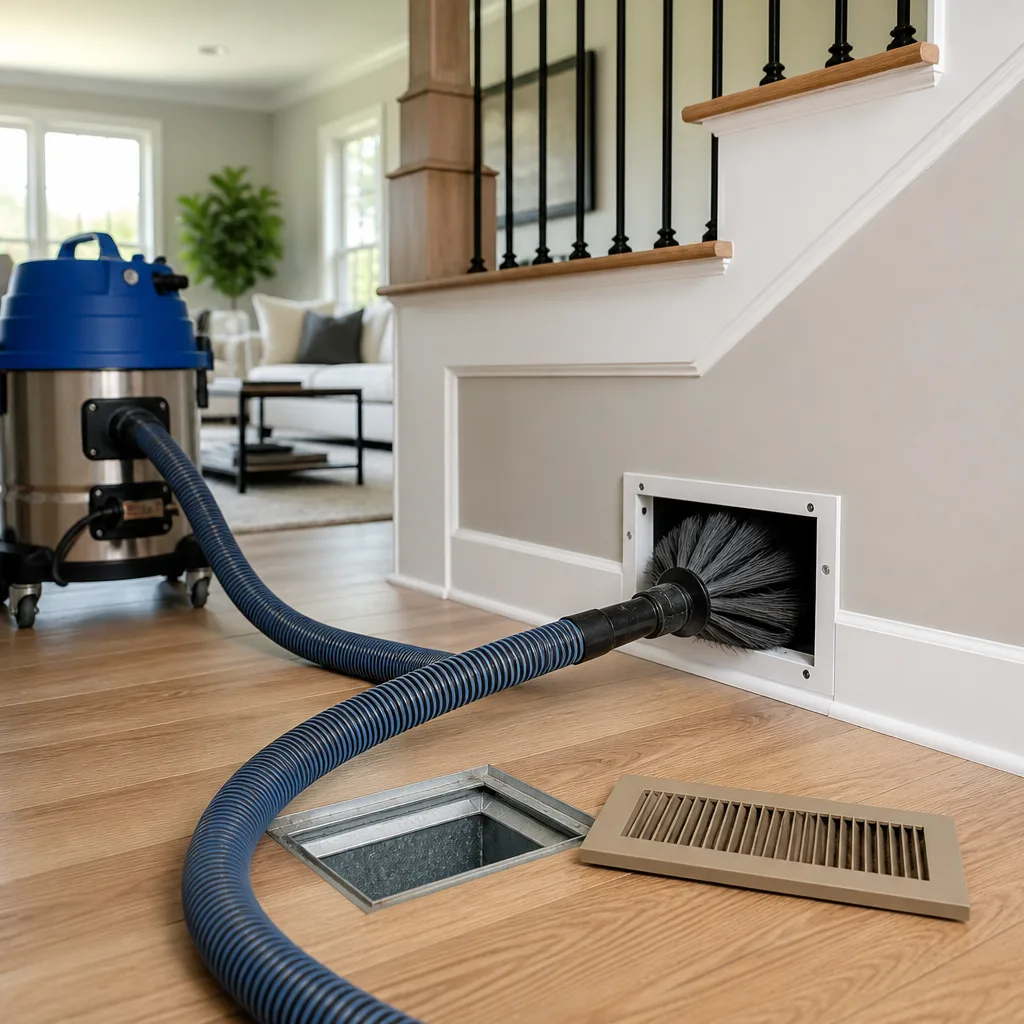 Whole-home duct cleaning
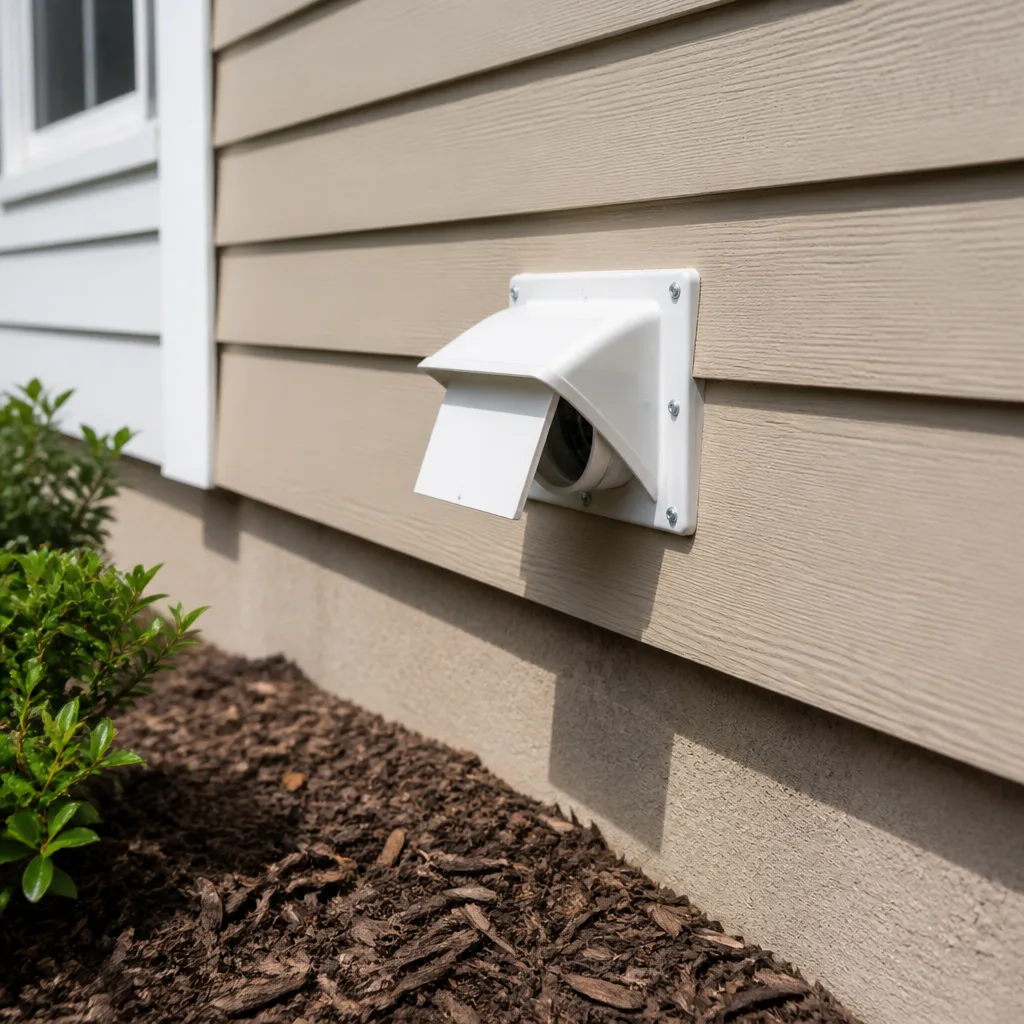 Dryer vent cleaning
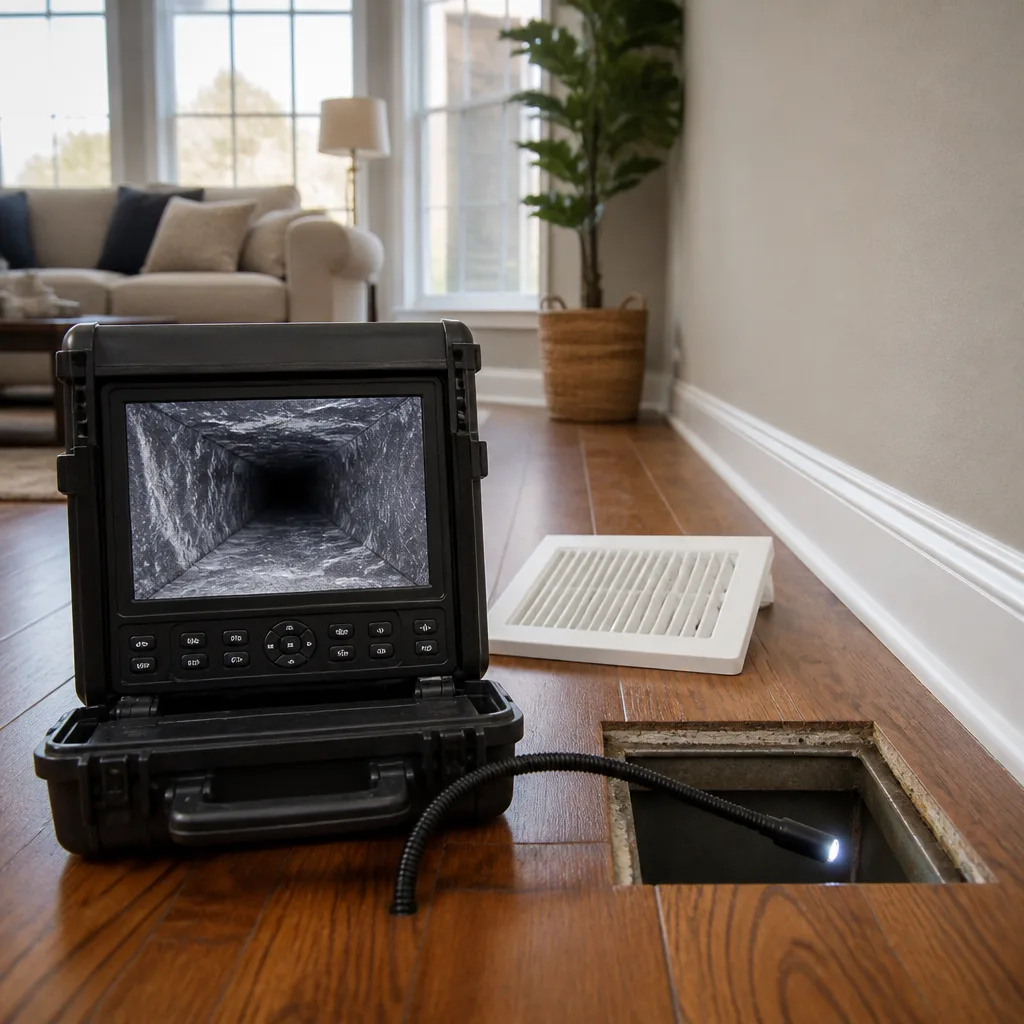 Camera inspection
 Sanitizing & deodorizing
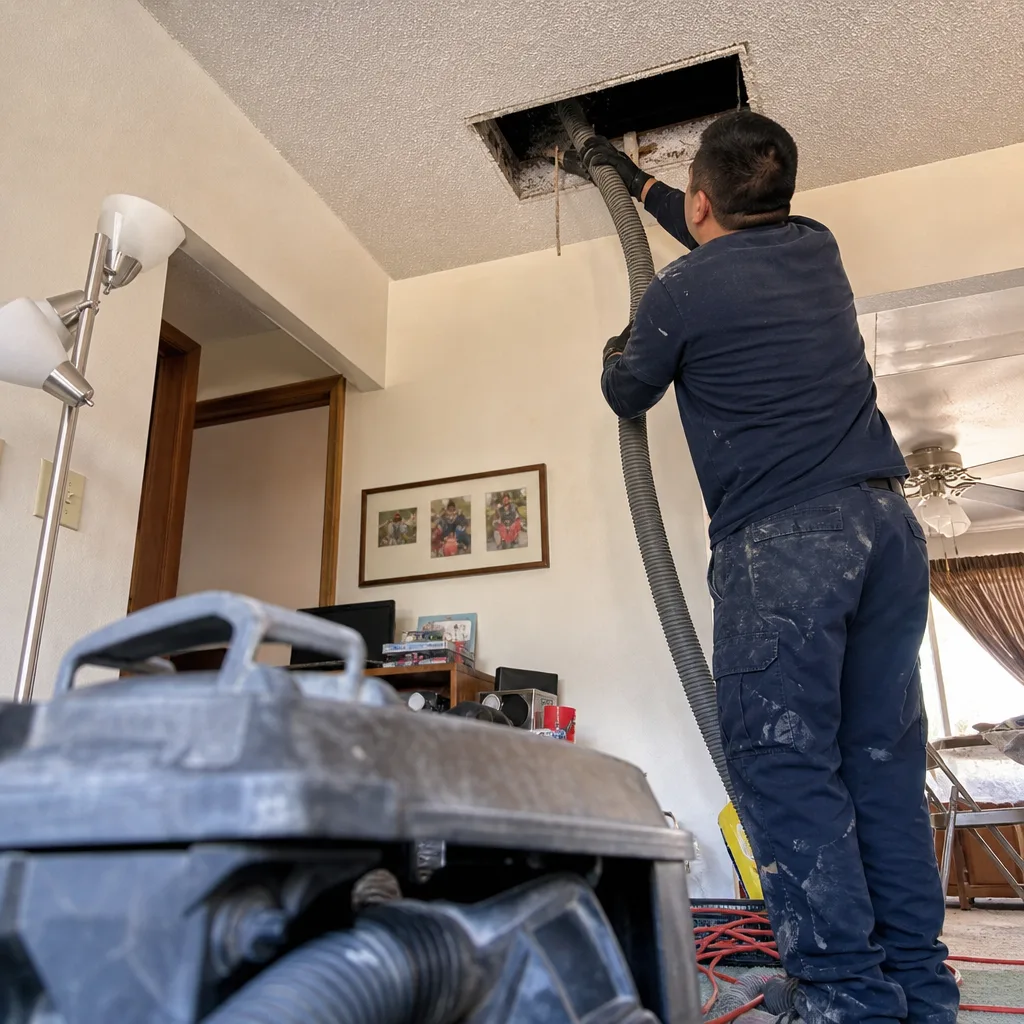
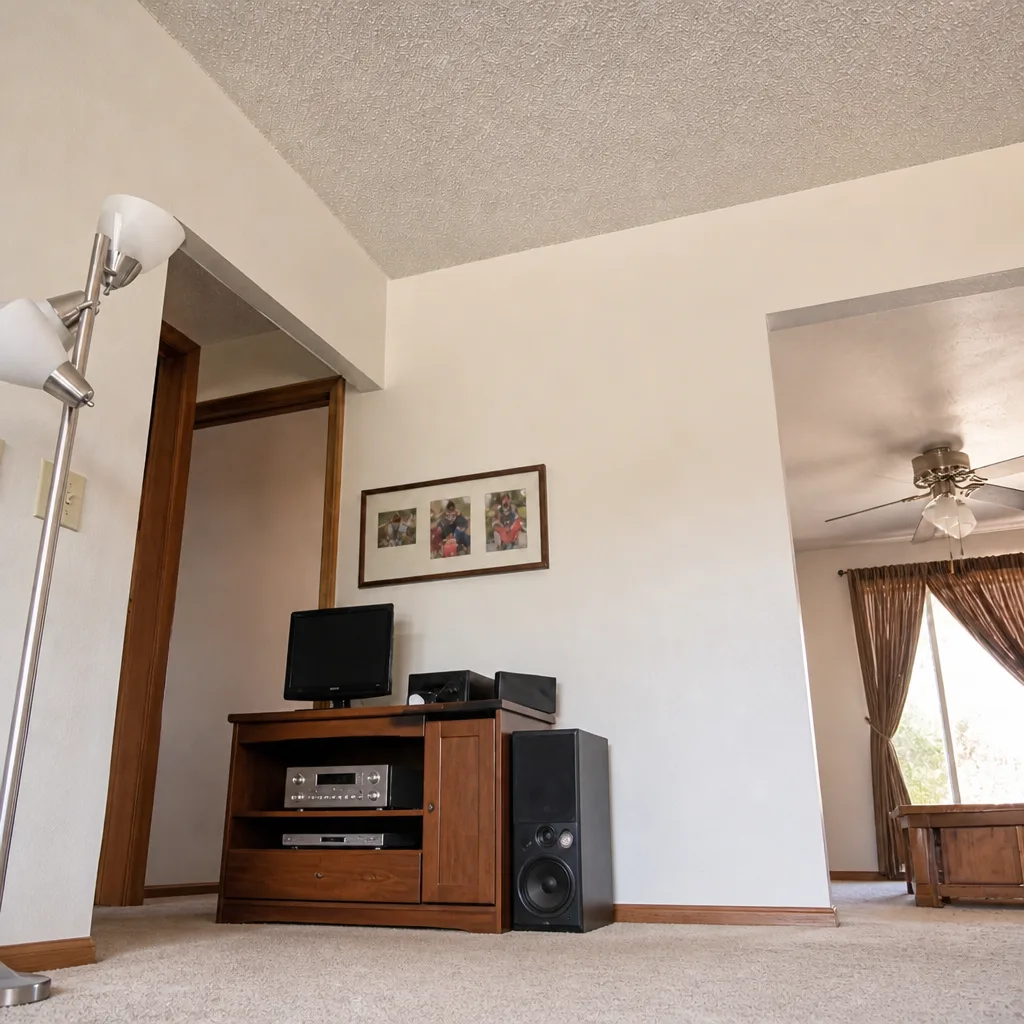
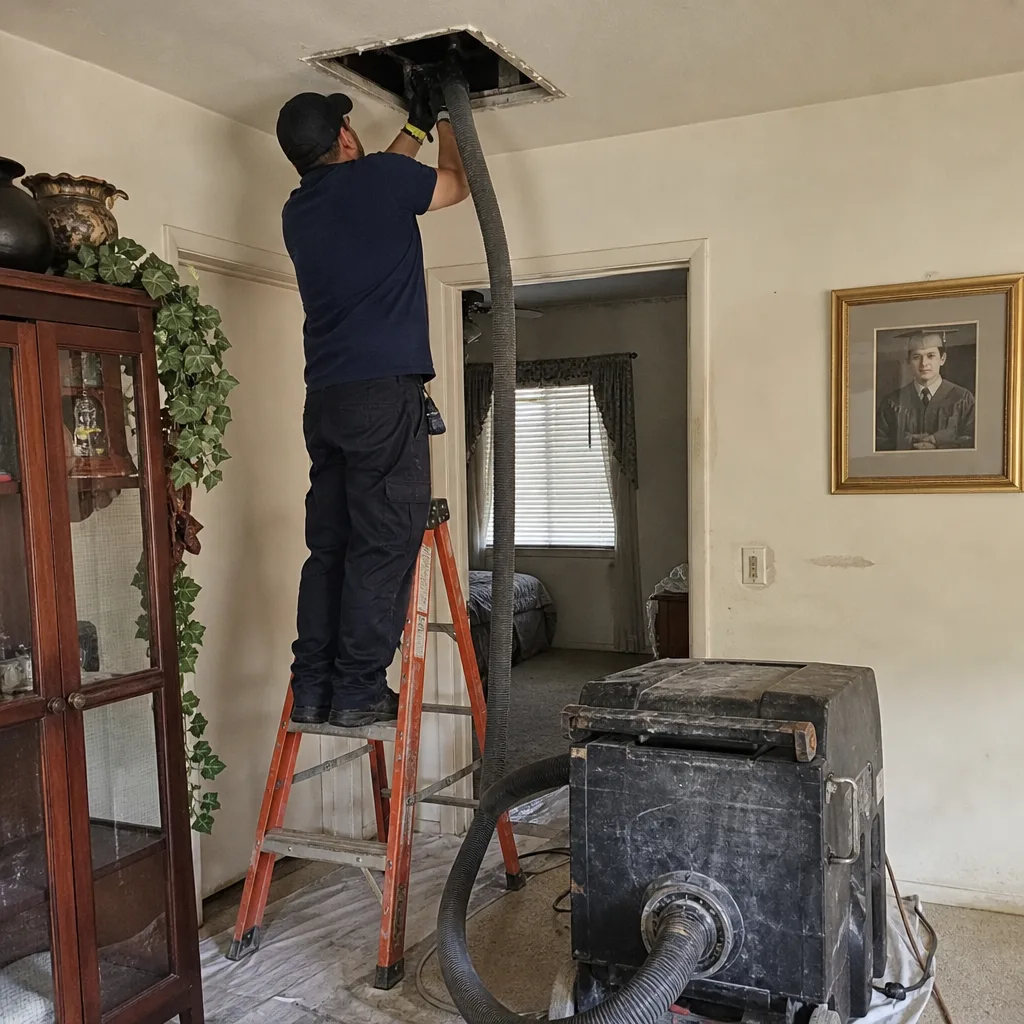
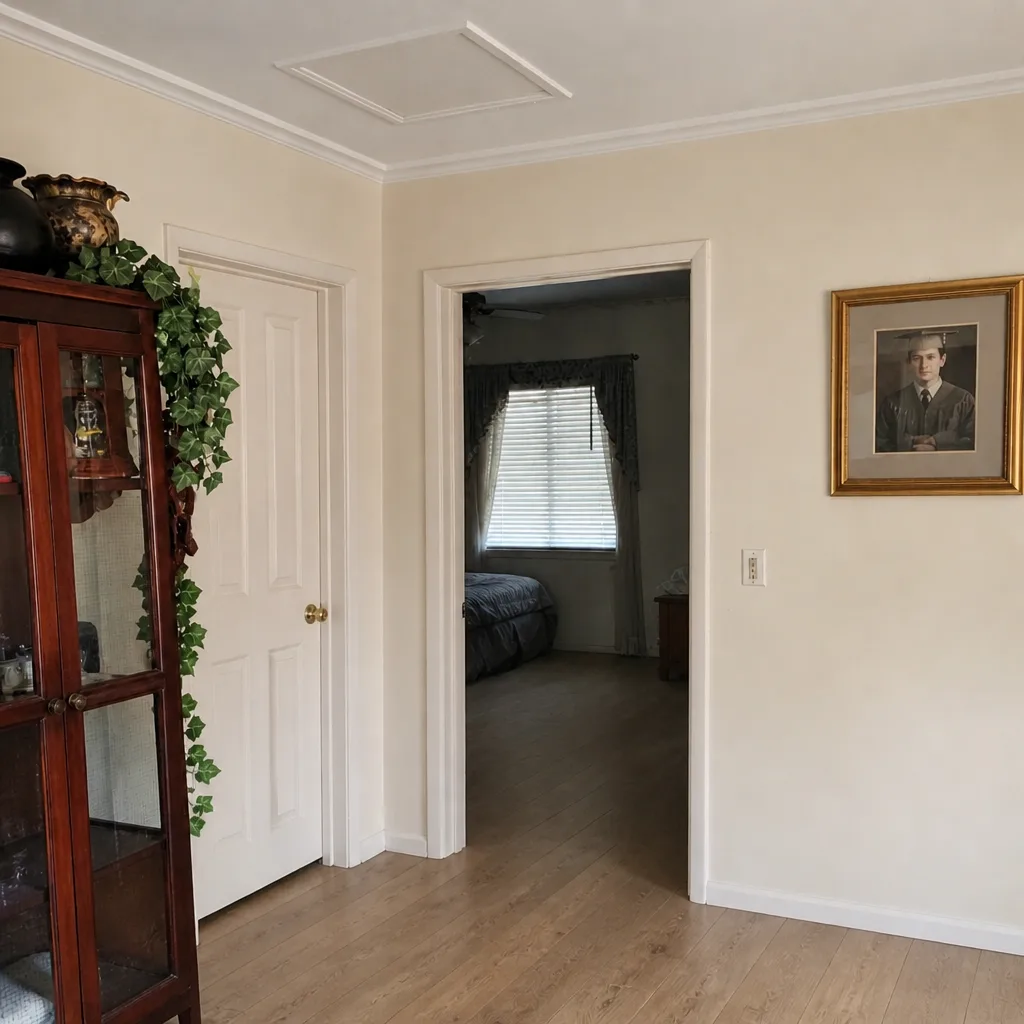
Whole-system duct and dryer vent check with before-and-after photos - you see exactly what came out of your vents
That "$99 whole-house special" is a bait ad - the real number appears once they are in your hallway, or the "clean" is a shop-vac at the register. We photograph the inside of your ducts before and after instead.
Air Duct Cleaning Warning Signs: A La Habra Homeowner’s Reference Guide
Visible dust on your supply registers is one of the least reliable signs that your ducts need cleaning. More often it points to a filter bypass problem or a leak on the return side, not contamination inside the duct runs. That distinction matters, because the two problems get solved in completely different ways. This guide is built around pattern recognition: how to tell duct-sourced symptoms from filter, equipment and building-envelope issues before you spend money on the wrong service. We’ll walk through odor diagnosis, temperature imbalance, register airflow testing, and the specific duct failures we see in La Habra’s older housing stock.
Quick Answer
In La Habra, the warning signs that actually point to duct problems are musty or metallic odors that appear within seconds of system startup, uneven room temperatures that repeat on the same rooms every cycle, visible puffing at registers on startup, weak airflow confirmed by a tissue test, and debris streaking around ceiling vents. Dust on registers, by itself, is a weak signal and usually indicates a filter or return leak rather than dirty duct interiors.
Styles & brands we work with
- Whole-home duct cleaning
- Dryer vent cleaning
- Camera inspection
- Sanitizing & deodorizing
Table of Contents
- Why Visible Dust on Registers Misleads Homeowners
- The Startup-vs-Runtime Odor Test
- Uneven Room Temperatures: Blockage, Disconnection or Insulation Failure
- What Puffing at Registers Tells You About Duct Pressure
- The White Tissue Paper Airflow Test
- Warning Signs Specific to La Habra’s Older Homes
- Matching the Symptom to the Right Service
- Common Mistakes to Avoid
Why Visible Dust on Registers Misleads Homeowners
Dust collecting on the louvered face of a supply register is the sign most often quoted as proof that ducts need cleaning. In practice, it’s one of the weakest indicators. A register sits in the room’s airstream and collects household dust the same way a shelf does. Wiping it clean and watching it return over a few weeks tells you almost nothing about what’s happening inside the duct run behind the grille.
The more common cause is a filter that isn’t sealing. When a filter is undersized for its slot, sits crooked, or has a torn edge, unfiltered air slips past it and picks up dust from the return plenum, then deposits that load on the register face. The same happens when a return duct has separated at a joint in an attic or a wall chase: the system pulls dusty attic or cavity air into the airstream. Both problems look identical from the living room.
To separate register dust from real duct contamination, look for these instead:
- Streaking – dark trails radiating out from the register slots onto drywall or ceiling paint, which suggests sustained particle movement, not ordinary settling.
- Debris at the boot – looking into the register with a flashlight and seeing loose material at the base of the boot where the duct meets the wall or ceiling.
- Puffing on startup – a visible dust cloud the moment the blower engages (covered below).
- Filter condition vs. register condition – if filters load quickly but registers stay clean, you likely have a source upstream of the filter, such as a return leak.
When we diagnose a system, we check the filter fit before recommending cleaning. If the filter is bypassing, a professional cleaning won’t fix the recurrence. You’ll be back to a dusty register in a few weeks. Full-system cleaning makes sense when the duct interiors themselves are loaded, and that’s a separate question from what lands on the grille. For homeowners who want to understand what that process looks like, our air duct cleaning page covers the equipment and sequence in detail.
The Startup-vs-Runtime Odor Test
Odors are the most diagnostic symptom in duct work, but only if you time them correctly. The moment the blower starts is when you learn the most. Here’s the test: note what you smell in the first ten to fifteen seconds after the thermostat calls for air, then note what you smell after the system has run for five or ten minutes. Those two readings point to different problems.
Startup odors
A musty or damp-earth smell that hits within seconds of startup and fades or settles is a strong duct signal. That burst is the accumulated material in the duct interior, on the blower wheel, or on the evaporator coil getting disturbed by the sudden airstream. In La Habra’s mild climate, systems often sit idle for weeks in spring and fall, which lets organic material settle and go slightly stale. That stale load releases all at once on the first cycle of the season.
A metallic smell on startup is different. It often comes from a blower motor or bearing reaching temperature, or from a component that hasn’t run in a while. It’s worth noting whether it fades or persists. Fading metallic smells usually trace to equipment rather than ducts.
Runtime odors
A burnt-dust smell that appears several minutes into a run and stays is usually equipment-side. The most common source is dust burning off the heat exchanger or electric strip heat on a heating cycle, which is normal for the first use of the season but shouldn’t continue. If it persists, treat it as an HVAC maintenance issue, not a duct cleaning issue.
A musty smell that stays constant through the whole cycle, or gets stronger the longer the system runs, points to a moisture problem somewhere in the air path: a wet coil pan, condensation on a coil, or biological growth on the coil face or in the duct liner. That’s where the deeper work begins. Contamination-sensitive jobs need containment, which is why we run Abatement Technologies negative-air equipment on these calls. It holds dust and spores inside the work zone instead of pushing them into your living room.
If the odor is strongest in one room and absent elsewhere, suspect that branch of ductwork specifically. A single disconnected run in an attic pulling hot, dusty air will smell only where it discharges.
Uneven Room Temperatures: Blockage, Disconnection or Insulation Failure
A room that never reaches temperature is a duct warning sign. A room that reaches temperature slowly and then drifts is usually a different problem. The diagnosis depends on which of three failure modes is happening.
Blockage
A blocked run is the least common and easiest to check. Look for a closed or partially closed damper at the branch, furniture pushed over the register, a crushed flex duct where it bends around an obstruction, or a register face that’s been painted shut. A blocked run usually delivers weak but temperature-correct air, and the problem is consistent every cycle.
Duct disconnection
A disconnected duct is the most serious and the most common in older attic systems. When a flex duct pops off a collar or a joint separates at a metal duct, the system dumps conditioned air into the attic and delivers almost nothing to the room. The tell is a room that’s completely unserved while the rest of the house is fine, plus a higher energy bill from the system running longer to compensate. This is one of the clearest reasons to have duct repair and sealing on the same service call as cleaning. Cleaning alone leaves the disconnect in place.
Insulation failure
In La Habra’s attic spaces, summer temperatures climb well into triple digits, and any duct run that loses its insulation jacket becomes a heat exchanger in reverse. Air arrives at the register warm in cooling season and cool in heating season. The symptom is a room that gets air (you can feel flow at the register) but the air is the wrong temperature. Flex duct with a torn or degraded outer jacket, or older duct wrap that’s gone brittle, produces this. If the duct is running through an unconditioned attic and the felt at the register is warm to the touch while other registers are cool, that’s your signal.
To sort these three apart, use this order:
- Confirm the register has airflow using the tissue test below.
- Check the register damper and look for physical obstruction.
- Note whether the air at the register is the right temperature or the wrong one.
- Walk the attic run with a flashlight if you can reach it safely. Look for separated joints, crushed sections and torn insulation.
If you can’t safely enter the attic, or the run is buried under insulation, that’s a job for a technician who can trace the whole path. Our HVAC cleaning service covers coil and blower condition alongside the duct check, since a dirty coil can mimic a duct problem by reducing overall system airflow.
What Puffing at Registers Tells You About Duct Pressure
Watch a register when the system first starts. If you see a small dust cloud push out, then settle, you’ve witnessed puffing. It’s a real diagnostic signal, and most homeowners miss it because they don’t happen to be looking at a vent when the blower engages.
Puffing happens when the duct system is over-pressurized on startup and finds relief through a breach. Three things cause it:
- Undersized return – the return side can’t pull air in as fast as the supply side pushes it out, so static pressure spikes and the system bleeds through the weakest joint.
- A breach at a joint or boot – a separated collar, a boot not sealed to the drywall, or a joint that’s come loose. That breach becomes the relief point.
- Blower speed set too high – less common, but a blower running above what the duct layout supports produces the same effect.
What puffing tells you is not “the ducts are dirty.” It tells you the system has a pressure imbalance and a weak point. Cleaning without sealing leaves both in place, and puffing continues. This is why the repair and sealing step matters. When we find a boot not sealed to the drywall or a joint with visible separation, sealing it resolves the pressure bleed and stops the puff. If you’re seeing puffing at multiple registers, the breach is likely at a trunk fitting or plenum connection rather than at the registers themselves.
A single puff at one register during system fall-off (when the blower stops) is a different phenomenon and mostly harmless. It’s the startup puff that points to pressurization.
The White Tissue Paper Airflow Test
Before you call anyone, you can get a rough read on airflow restriction with a single square of tissue. It won’t diagnose the system, but it will tell you whether a register is delivering air at all, which narrows the problem significantly.
- Set the thermostat to call for air and wait for the blower to engage fully.
- Hold a single square of white tissue paper flat against the register face. Use white so you can see dust and color transfer.
- Watch the tissue for fifteen seconds. It should pull firmly against the grille and flutter with the airflow.
- Repeat at each register in the house, including the problem room, and note the difference in pull.
- Check the tissue itself after the test. A noticeable gray or brown deposit in a short window is a rough signal that the airstream is carrying particulate.
What the test tells you:
- Strong, even pull at all registers – airflow is broadly fine. Any comfort issue is more likely temperature (insulation) or odor than it is restriction.
- Weak pull at one register, strong elsewhere – that branch is restricted or disconnected. Check for obstruction, then check the attic run.
- Weak pull at all registers – the problem is at the source. Check the filter (a heavily loaded or collapsed filter restricts everything), then the blower, then the return side.
- No pull at all – that branch is almost certainly disconnected, or the register damper is fully closed.
One caveat: the tissue test is rough. It won’t measure static pressure or tell you the difference between a dirty filter and a collapsing flex duct. It’s a triage tool, not a diagnostic one. But a homeowner who runs it will have a much more specific call with a technician than someone who says “the house feels uneven.”
Warning Signs Specific to La Habra’s Older Homes
La Habra has housing stock that runs across many decades, and the duct failures that show up depend heavily on when the system was installed. Three failure modes come up again and again in the older homes here.
Flex duct sagging
Flex duct has to be installed with enough support that it stays round. When it sags between hangers or where it bends around a joist, the interior collapses and the run loses effective diameter. A sagged section delivers less air than it should, and the sag also traps dust at the low point. If you look up into an attic and see flex duct hanging in a U-shape rather than running taut, that run is underdelivering. In La Habra’s warm attics, the effect compounds: less flow, warmer air, longer runtimes.
Original metal duct joint separation
Older metal duct systems were assembled in sections, and those joints were often sealed with mastic, tape, or nothing at all. Over decades of heating and cooling cycles, the metal expands and contracts, and the joints separate. A separated trunk joint in an attic bleeds a significant volume of conditioned air into the attic. The room-side symptom is one or two cold rooms in cooling season while the rest of the house is fine, plus a system that runs longer than it should. These separations are often invisible until someone is in the attic tracing the run.
Deteriorated internal duct liner
Older insulated duct systems sometimes used internal acoustic liner. Over time, that liner degrades and sheds fibers into the airstream. The tell is a fibrous debris showing up at registers, or a fine material collecting on the filter face that looks like felting rather than ordinary dust. Liner degradation is a legitimate reason to have the duct interior inspected, because the liner needs to be either removed or encapsulated depending on condition. A cleaning job alone doesn’t fix shedding liner; the surface needs addressing.
If you’re trying to decide whether your system is due for a full cleaning or a repair-and-seal call, our La Habra Air Duct Cleaning Pros guide covers the full service menu, and our dryer vent cleaning service runs the same diagnostic approach on the dryer vent pathway. Both are worth checking together, since lint accumulation in a dryer vent shares the warning signs of a restricted duct.
Matching the Symptom to the Right Service
This is the heart of the guide. Read the symptom on the left, check the likely cause in the middle, and match it to the right service on the right. The point is to stop paying for cleaning when the problem is a filter or a disconnect, and to stop paying for filter changes when the problem is liner degradation.
- Dust on register faces only – likely filter bypass or return leak → check filter fit first, then duct inspection.
- Musty smell on startup, fades – stale accumulated material in duct or on coil → duct cleaning with coil cleaning.
- Musty smell that persists through the cycle – moisture or biological growth → coil and duct cleaning with containment and sanitizing.
- Burnt-dust smell at runtime – component dust burning off → HVAC maintenance, not duct cleaning.
- Metallic smell on startup – blower or bearing → HVAC inspection.
- One room unserved, rest of house fine – disconnected or blocked run → duct repair and sealing.
- All rooms weak, high bill – return restriction or filter → filter check, then full-system inspection.
- Airflow fine, wrong temperature – insulation failure → duct repair and sealing with reinsulation.
- Puffing on startup – pressure imbalance and breach → duct repair and sealing.
- Fibrous debris at registers – liner degradation → duct interior inspection and encapsulation or removal.
- Lint accumulation at dryer – dryer vent restriction → dryer vent cleaning.
Common Mistakes to Avoid
- Treating register dust as proof of dirty ducts. It usually points to a filter or return issue. Wiping registers and watching them re-dust tells you nothing about duct interiors.
- Paying for cleaning without getting the disconnect fixed. If a run is separated, cleaning that run doesn’t help; you need the joint sealed. Ask whether repair and sealing is part of the quote, and if it isn’t, ask why.
- Replacing a filter that’s too small for its slot. A filter that doesn’t seal lets unfiltered air past it. Confirm the filter size matches the slot and the edges seat flush; if it doesn’t, a filter frame or a properly sized filter solves what a cleaning won’t.
- Ignoring a musty smell that comes and goes. Intermittent musty odor on startup in La Habra’s mild springs often means the coil or the duct has a moisture source. Wait until summer and it gets worse, not better.
- Confusing a burnt-dust smell with duct dirt. A smell that only appears on heating cycles and fades after a few minutes is equipment-side. That’s an HVAC inspection, not a duct cleaning.
- Skipping the attic walk. In La Habra’s older homes, flex duct sag, joint separation and liner damage often can’t be seen from the living room. If nobody has been in the attic to trace the runs, the diagnosis is incomplete.
- Booking the cheapest line item and assuming it covers everything. A price per vent that doesn’t include coil cleaning, repair, or containment leaves the real problem in place. Ask what’s actually included.
See the difference
 Before
 After
 Before
 After
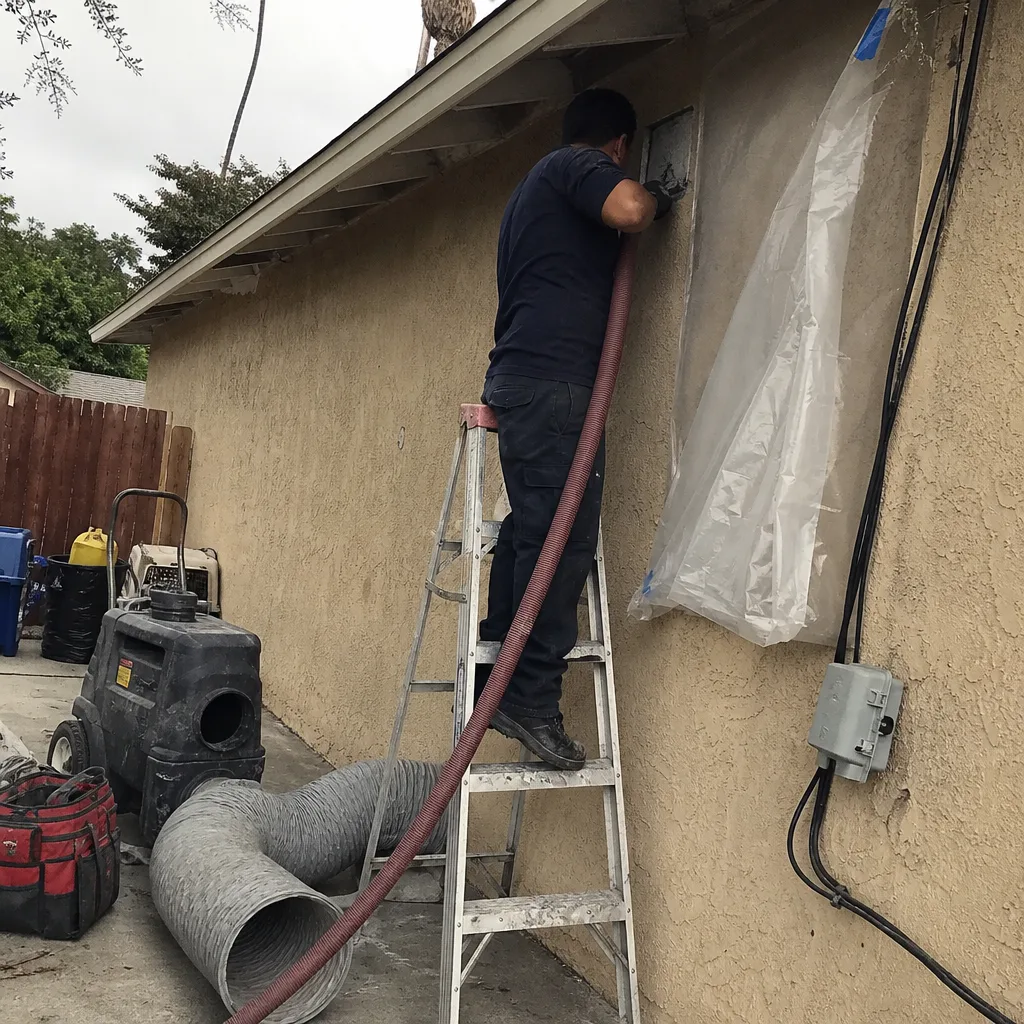 Before
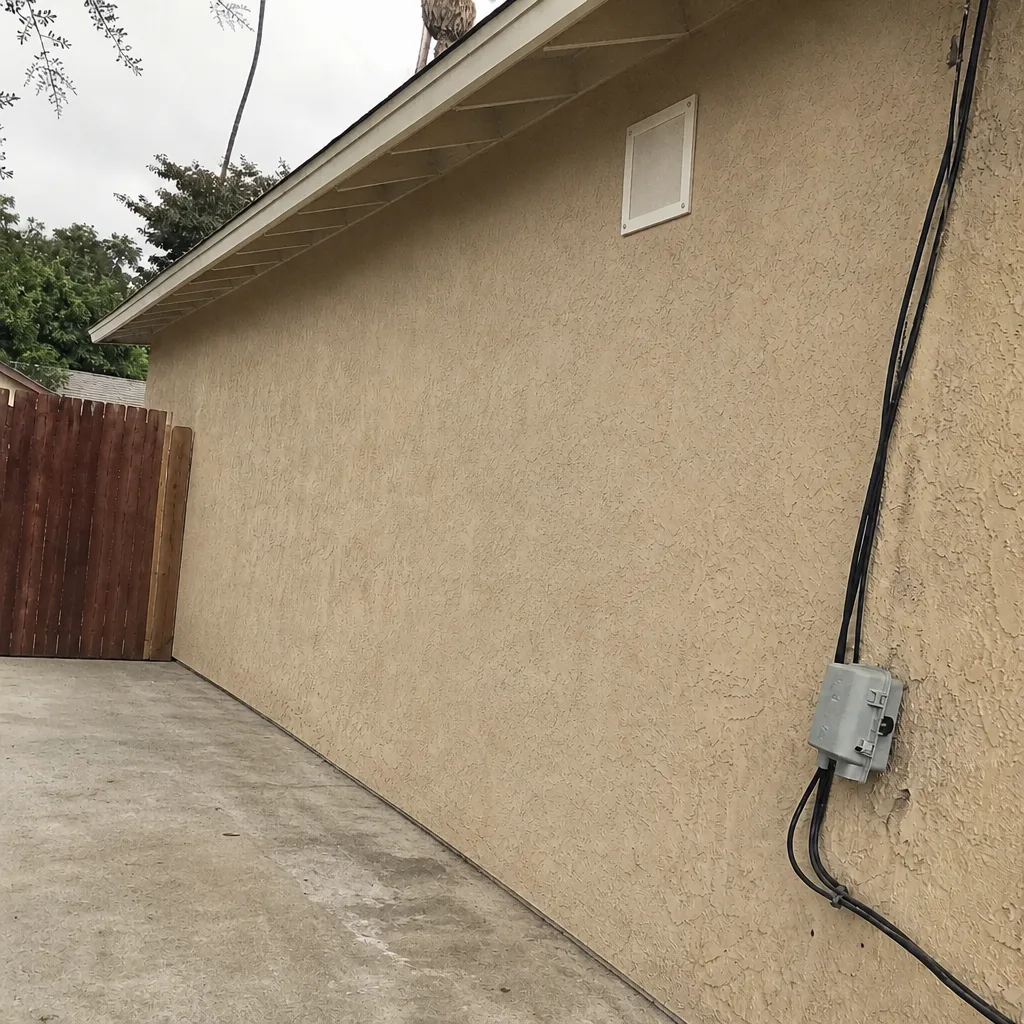 After
When to Call a Professional
Call a professional when the odor doesn’t fade with ventilation, when a room has been unserved for more than a season, when you see puffing at registers on startup, or when the tissue test shows weak airflow at multiple registers. Call if the attic run is inaccessible or if you see fibrous debris at the registers. Call if the system runs longer than it used to and the filter isn’t the culprit. Those are the cases where the diagnosis needs pressure readings and a look inside the duct path. La Habra Air Duct Cleaning Pros offers free estimates in La Habra – call (877) 367-5749. We answer 24/7. Fast dispatch from 7am to 7pm, Sunday through Friday. The price is set per job by the written estimate, so you’ll know the cost before any work starts.
Frequently Asked Questions
If the only symptom is dust on the register faces, a filter change or a filter-fit correction is the right first step, not cleaning. Duct cleaning is the right answer when you have a musty smell on startup, fibrous debris at the registers, puffing on startup, or weak airflow at multiple registers with a clean filter in place. Run the tissue test and time your odors before calling; that gets you a more accurate answer.
A musty smell that appears within seconds of system startup and then fades usually means accumulated material in the duct interior, on the blower wheel, or on the evaporator coil is being disturbed by the airstream. In La Habra’s mild climate, idle seasons let that material settle. A smell that persists through the whole cycle is different and suggests a moisture source that needs to be found, not just cleaned over.
One consistently hot room usually means a duct failure on that branch, most often in the attic. It’s typically one of three things: a flex duct that has sagged or crushed, a duct that has separated from its collar or joint, or duct insulation that has degraded so the air arrives warm. The tissue test will tell you whether air is reaching the register at all. If it isn’t, that run is almost certainly disconnected.
Puffing is a small dust cloud that pushes out of a register when the system first starts. It isn’t dangerous, but it does indicate a pressure imbalance in the duct system and a breach at some joint, boot, or fitting. The breach is the relief point. Sealing it resolves the puff. Cleaning the duct without sealing the breach leaves the puff in place.
The mild climate affects timing more than the failure modes. Systems often sit idle in spring and fall, which lets material settle and go stale, so startup odors cluster around the first cycles of a season. Attic temperatures in summer accelerate the effect of torn insulation and sagged flex duct, since a degraded run becomes a heat exchanger faster when the attic runs hot. Those two patterns account for most of the duct complaints we see in La Habra.
The tissue test is a triage tool, not a diagnosis. It tells you which registers are delivering air and which aren’t, which is genuinely useful. It can’t measure static pressure or tell you whether a filter, a crushed flex run, or a separated joint is the cause. Use it to narrow the call, then let a technician confirm the cause.
The Bottom Line
The signs that actually point to duct problems are specific: musty or metallic odors on startup, uneven temperatures that repeat on the same rooms, puffing at registers, weak airflow confirmed by a tissue test, and fibrous debris at the registers. Dust on register faces, on its own, is the weakest sign and usually traces to a filter or return issue. In older La Habra homes, pay particular attention to sagged flex duct, separated metal joints, and degraded internal liner. The point of this guide is to help you call the right service at the right time. Do the tissue test, time your odors, and if you’re not sure, get a technician to trace the run before you pay for anything.
La Habra Air Duct Cleaning Pros covers the full air path from supply to return: mechanical cleaning with Rotobrush and Nikro equipment, HVAC coil and blower cleaning, duct repair and sealing, dryer vent cleaning, and air quality sanitizing. When we clean, we clean the whole system and show you before-and-after photos of the ducts we worked on. We can install Honeywell and Aprilaire air quality products as part of the improvement plan, and we run Abatement Technologies negative-air equipment on contamination-sensitive jobs. Call (877) 367-5749 for a free estimate. We answer 24/7. Fast dispatch from 7am to 7pm, Sunday through Friday. One flat price per system, agreed before work starts.
Written by the team at La Habra Air Duct Cleaning Pros.